The Reservation Problem
On the Bus (Again)
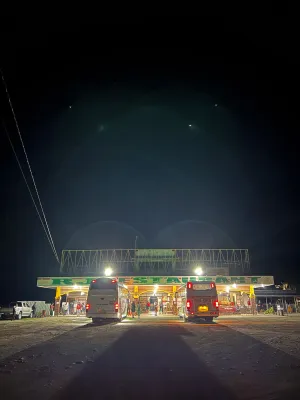
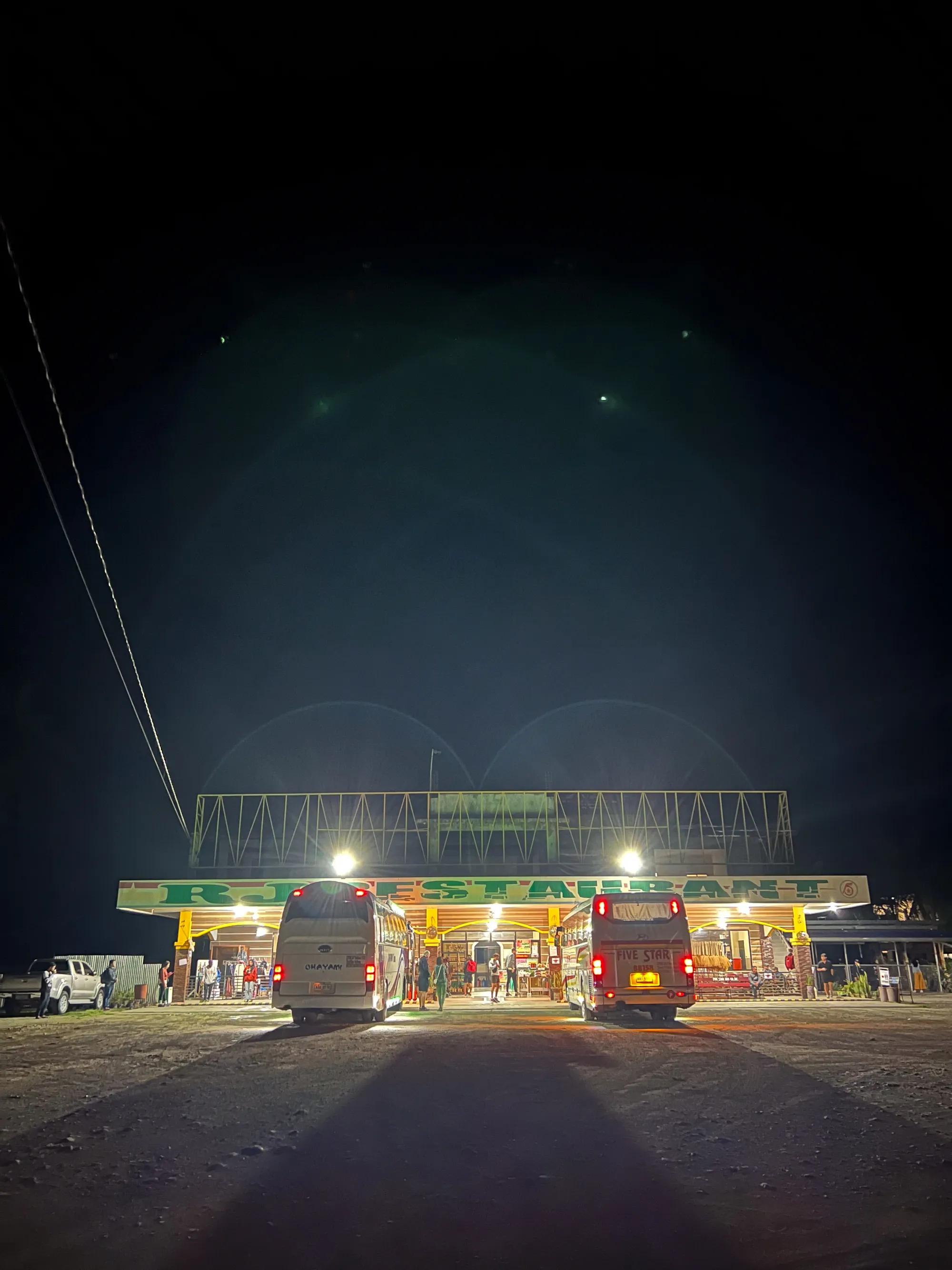
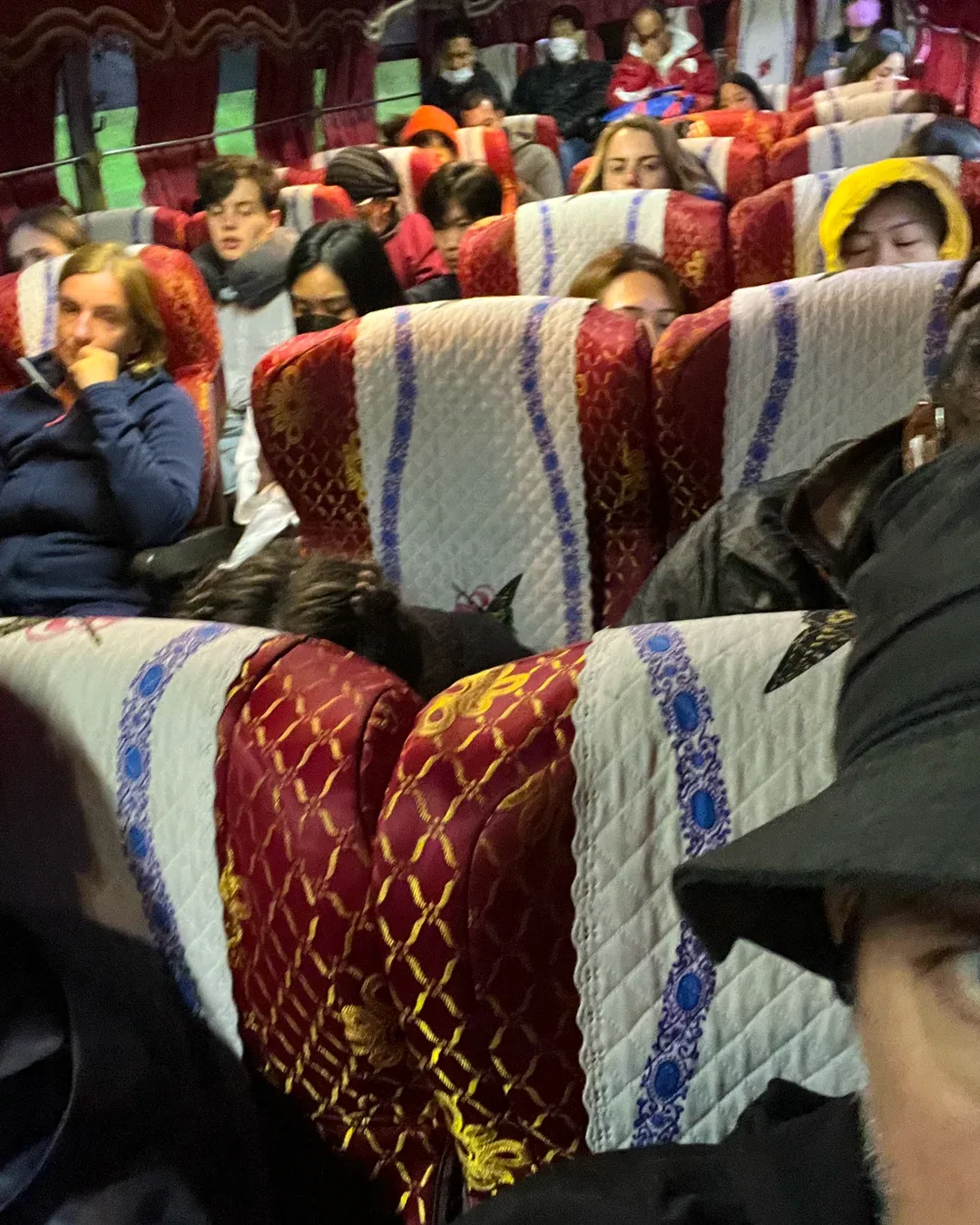
I'm on the bus tonight. Nine hours, Manila to Banaue, the last stretch a mountain climb the driver takes winding up dark, twisty, turny roads. Somewhere in the dark between Nueva Ecija and the Cordillera I've been thinking about Spider Jerusalem at the Reservations.
What Spider Sees
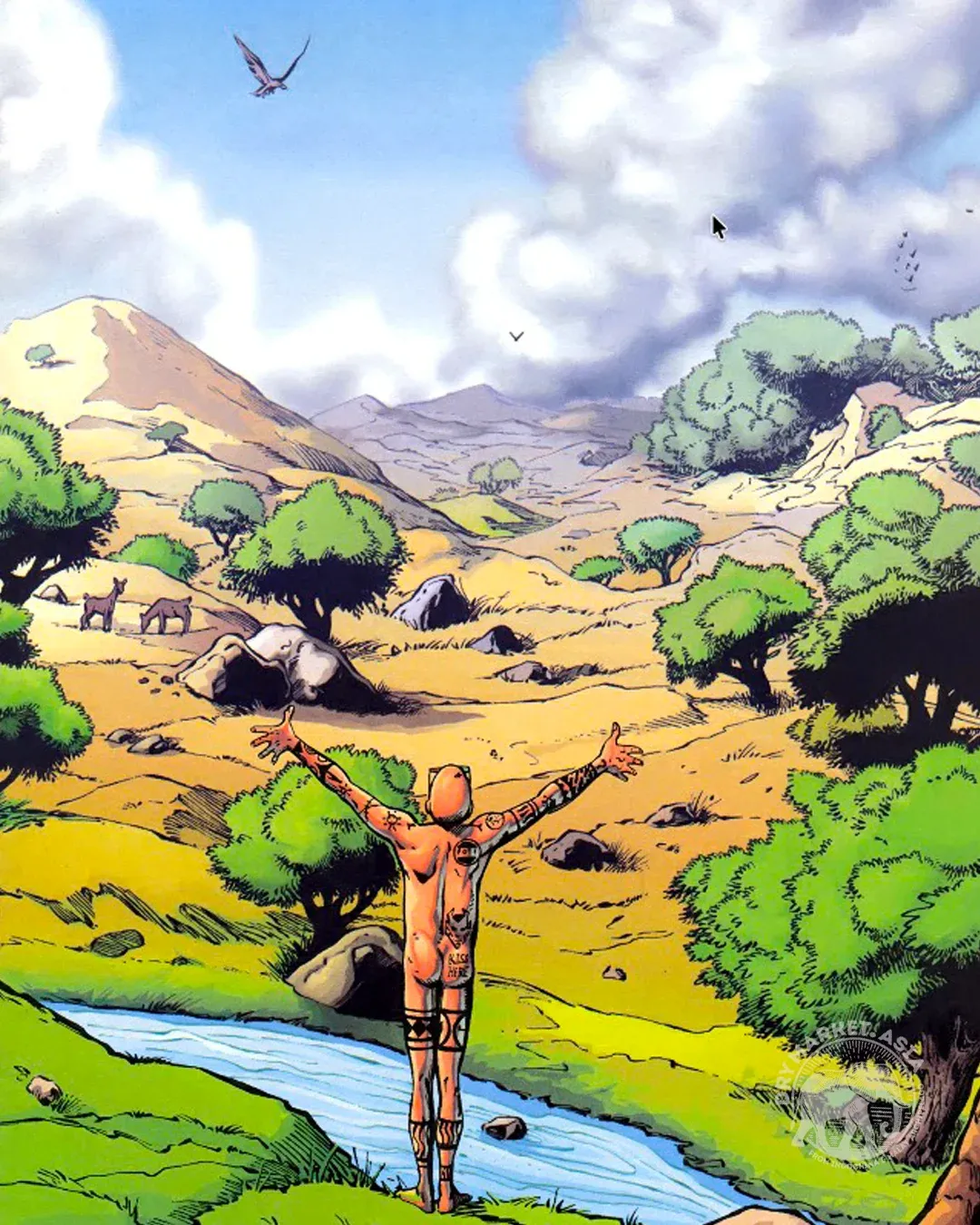
The arc runs through Transmetropolitan Vol. 2: Lust for Life — Warren Ellis, Darick Robertson, 1998. Spider visits zones where people have opted out of the City's velocity entirely, choosing to live inside a preserved culture rather than the future that's consuming everything.
What gives him pause isn't the strangeness of it. It's the seriousness. These people looked at everything on offer from the “future” and said no, and then built a wall around what they wanted to keep. Spider, who is not sentimental about anything, recognizes the weight of the decision. What unsettles him is the implied contract on the other side of the wall — if a culture is preserved with that kind of intention, the people outside are implicated.
Arriving is Majestic
Timelessness in the Cordillera
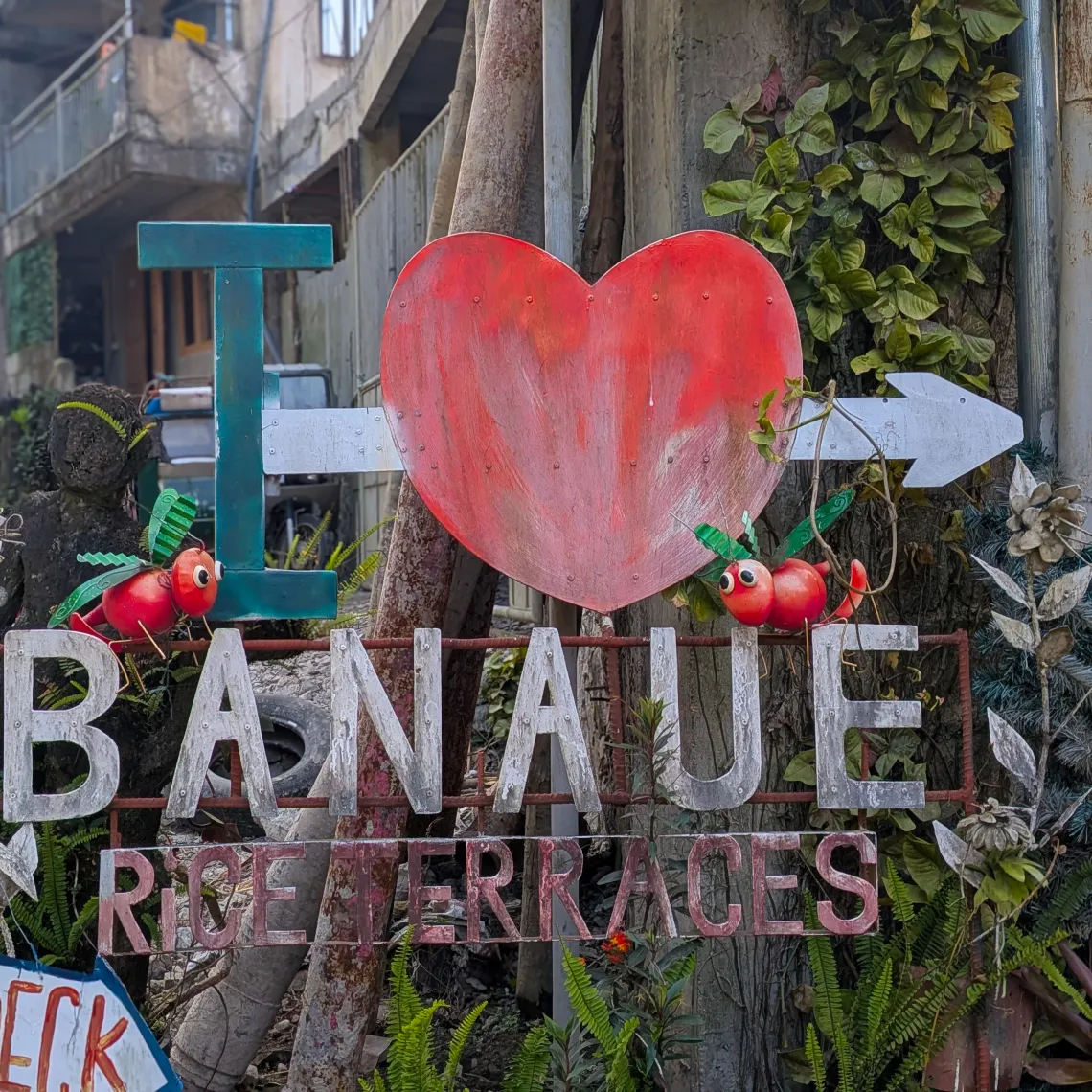
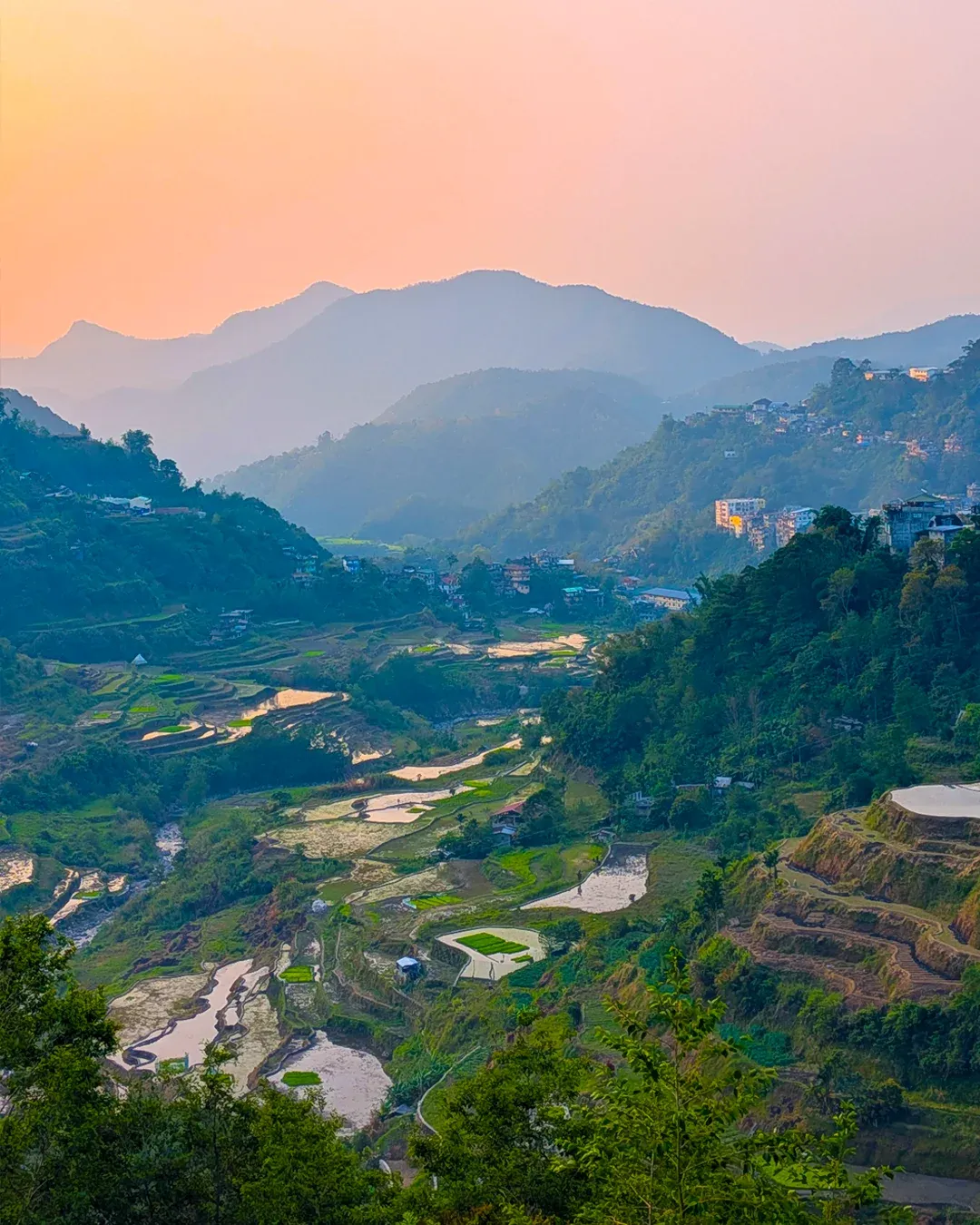
The Ifugao terraces are not a Reservation. Nobody building a wall. But I've been thinking about Spider's problem anyway, because what I'm heading toward has a similar contour.
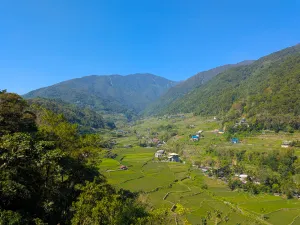
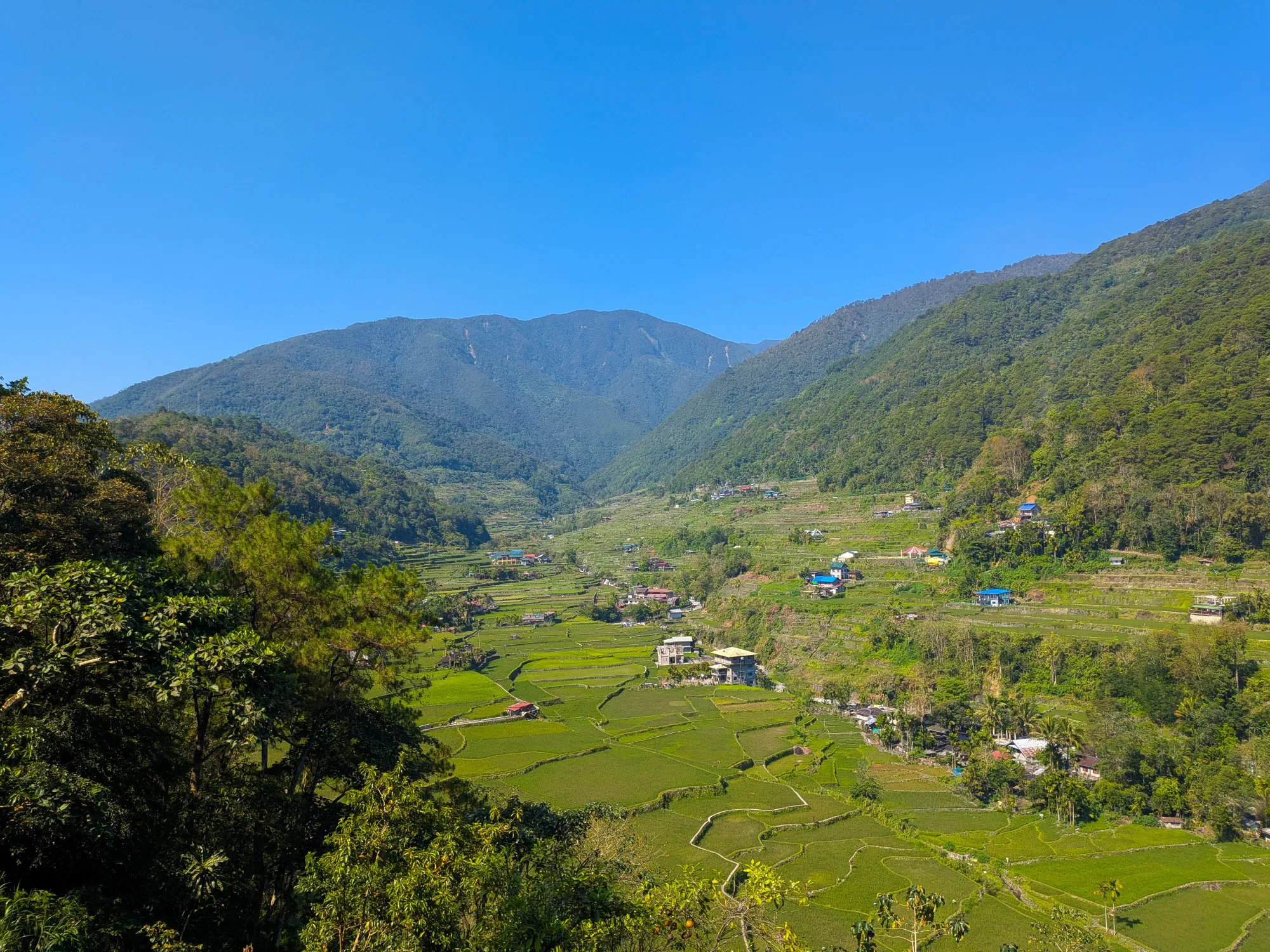
The terraces above Banaue have been farmed continuously since the seventeenth century. The Ifugao cut them into the Cordillera during the period of Spanish colonial expansion from the lowlands — not as monuments, not as landscape architecture, but as food security, a way to feed a community that had pushed itself higher into the mountains to stay out of reach.
The engineering involved is not simple. The Ifugao developed an entire ecosystem — irrigation systems sourced from mountaintop forests, sacred woodlots called muyong, and village-centered communal labor. The water moving through those channels tonight has been moving through them for four hundred years.
What grows in them is tinawon — an heirloom rice variety that exists at scale nowhere else on the planet. One harvest per year. The production calendar runs from October through the June-to-August harvest, which means months of continuous labor for a yield grown almost entirely for household consumption — not a cash crop, a subsistence crop, which means the terraces produce food but not necessarily income.
Viewpoint Saints (Again)
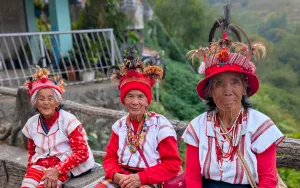
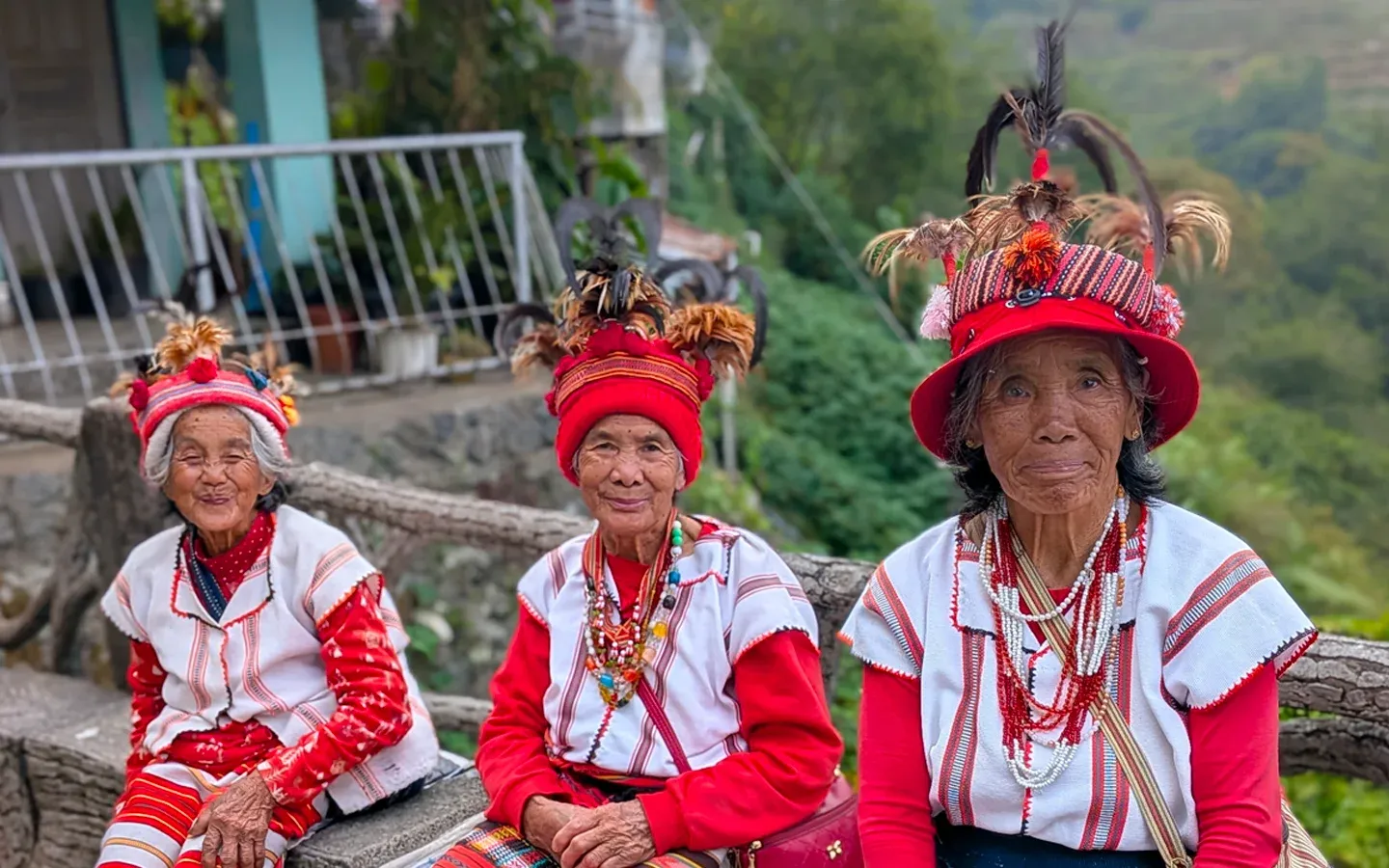
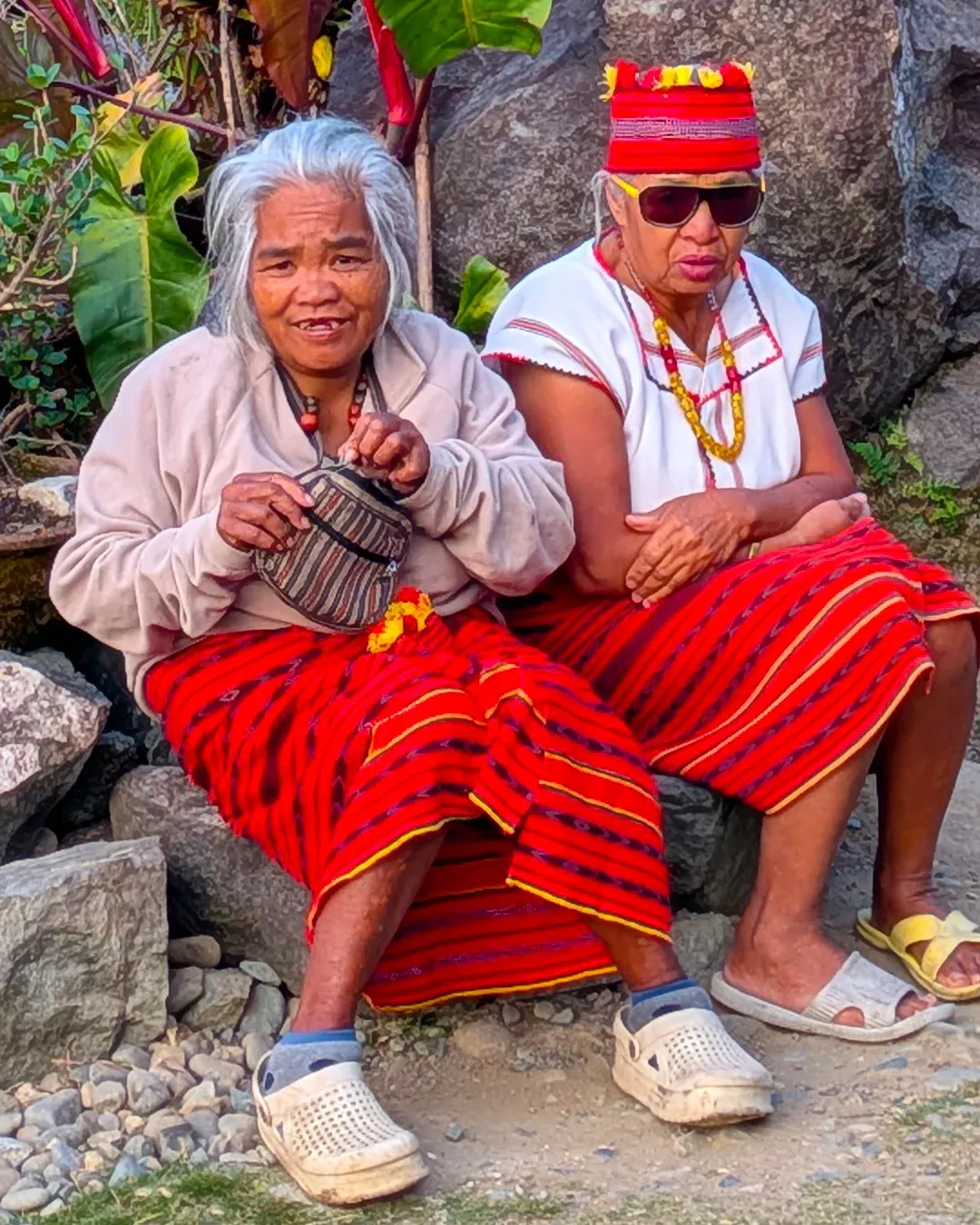
The women at the viewpoints are part of this economy. The terraces produce food. The viewpoints produce cash.
Their bodies attest to decades on the terraces. It is the cumulative record of the actual labor that built and maintains the thing you came to photograph. The women who work the viewpoints carry that record in their spines, and when they straighten for the camera — and they do straighten, completely, the headdress leveling, the spine lengthening, the whole apparatus of the Ifugao idea assembling itself for the duration of the shutter — they are doing something more than posing.
In View of the Facts
The terraces visible from the main Banaue viewpoint — the ones on the twenty-peso note, the ones in every photograph — are not the UNESCO listed site. They were excluded from the 1995 inscription because modern structures compromised the integrity criterion. The actual UNESCO clusters are at Batad, Bangaan, elsewhere. What you're looking at from the viewpoint road is a National Cultural Treasure.
This is the Reservation logic arriving through paperwork rather than walls. The designation performs the preservation. The viewpoint economy services the designation. The women with the headdresses serve this exchange.
In the truth of Transmetpolitan fiction, the City tolerates the Reservations partly because they are useful — contained, visible, a conscience the City can credit without changing anything about itself.
Meanwhile, in the Cordillera tourists at the Banaue viewpoint perform appreciation. The heritage designation performs the preservation. The transfer — the obligation Spider identified, the attention that changes you — mostly doesn't happen.
People leave with a photograph and a fee paid but do not understand what the water system requires, or what disappears if the young people of the Cordillera decide, reasonably, that there are easier ways to earn a living.
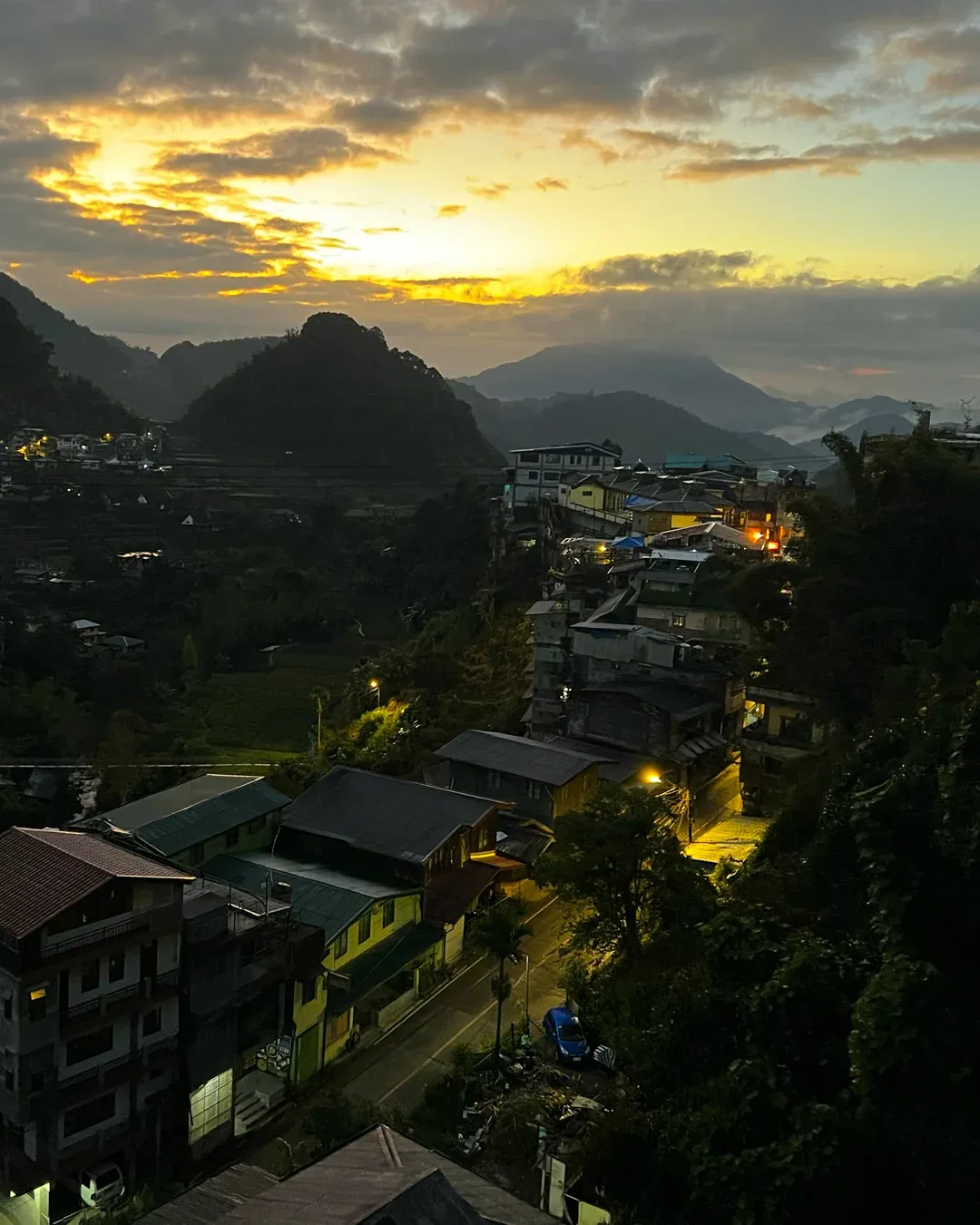
The bus climbs into Ifugao in the dark. I won't see the terraces until morning, when the fog is still in the valleys and the carved hillsides shrouded, misty. The women will be at the viewpoints by then, working early because the light matters and the early bird.