The Price of Getting There
Jody, our man in Banaue, did something he'd never done before. He quoted me a fuel surcharge.
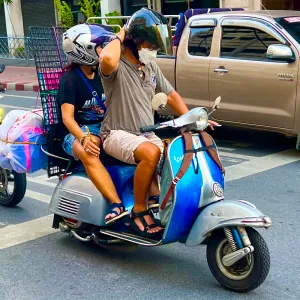
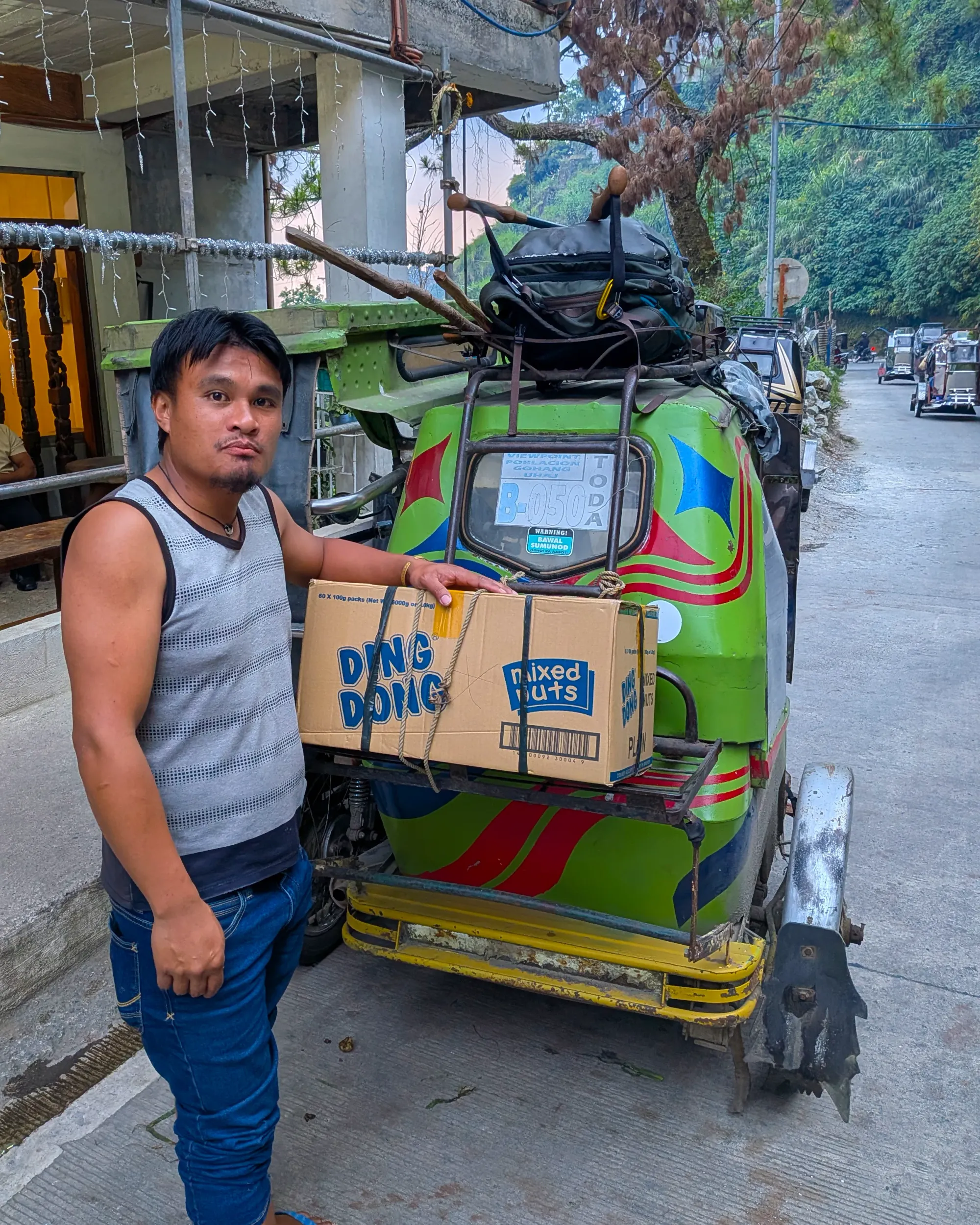
The tricycle ride from the junction to Batad runs along an unsealed road that the locals call "the dancing road" for reasons your spine will understand within the first kilometer. Today, Jody walked me through the math — diesel cost, distance, the return trip. He explained the numbers had changed and he wanted me to know why.
How a Fuel Crisis Reaches Banaue
The numbers have changed everywhere in the Philippines, but the Cordillera feels it differently.
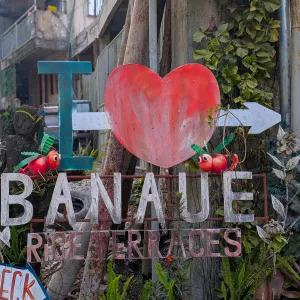
Banaue sits at the end of a long supply chain that runs over mountains on two-lane roads. Everything arrives by truck — fuel, food, building materials, the goods that stock the small shops along the main road. There is no rail. There is no shortcut. There is only diesel and distance.
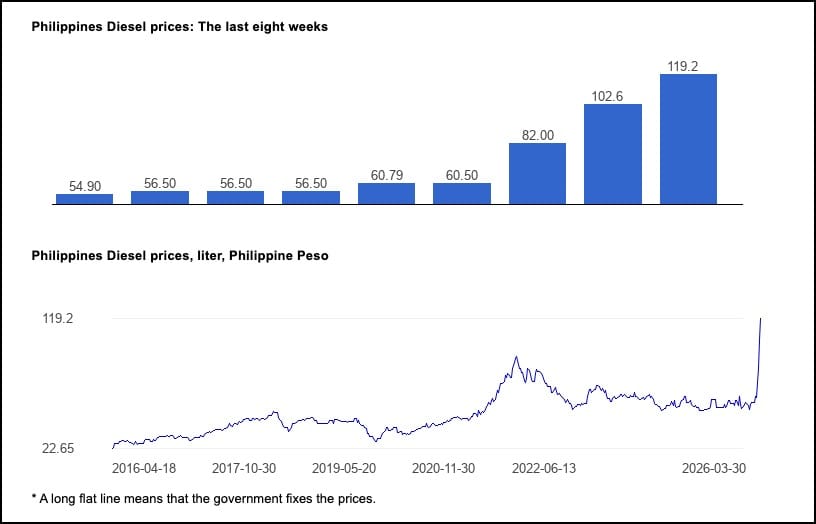
Philippine diesel hit ₱119 per liter in late March, more than double what it cost eight weeks earlier. The spike traces back to the Middle East conflict and the disruption of shipping through the Strait of Hormuz, where roughly a fifth of the world's oil supply passes. The Philippines imports nearly all of its petroleum. When the Strait tightens, pump prices here don't adjust — they lurch.
In the Cordillera, it hits harder.
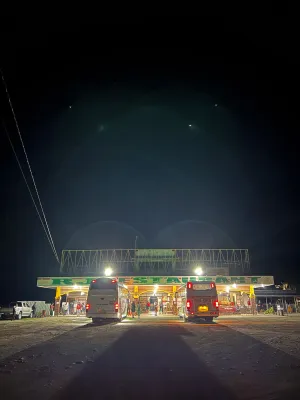
Seventy-nine gas stations across the region have closed. Twelve of those are in Ifugao province, where Banaue sits. Stations still operating have imposed purchase limits — twenty liters per transaction — which sounds manageable until you're the driver hauling vegetables down to the valley or the guide running tourists to Batad and back.
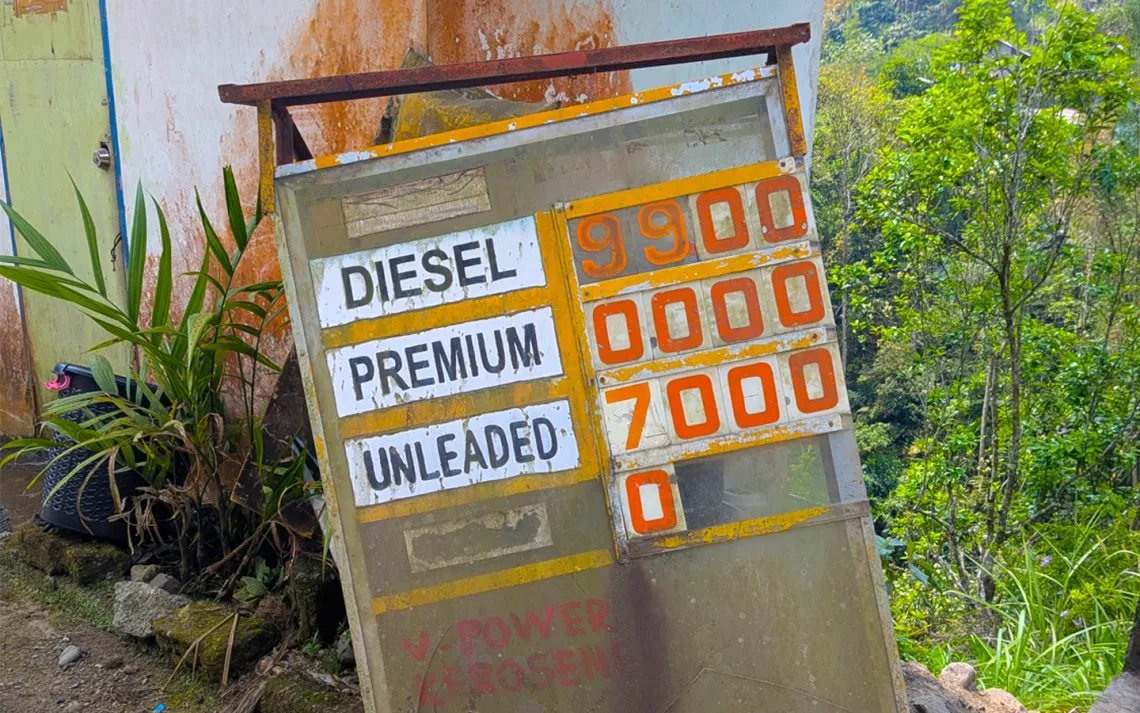
The president declared a national energy emergency in late March. On the ground in Banaue, the emergency looks like a gas station with a handwritten sign and a locked pump.
The Imbayah Festival Banaue Won't Have This Year
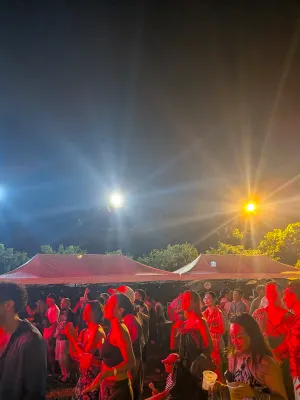
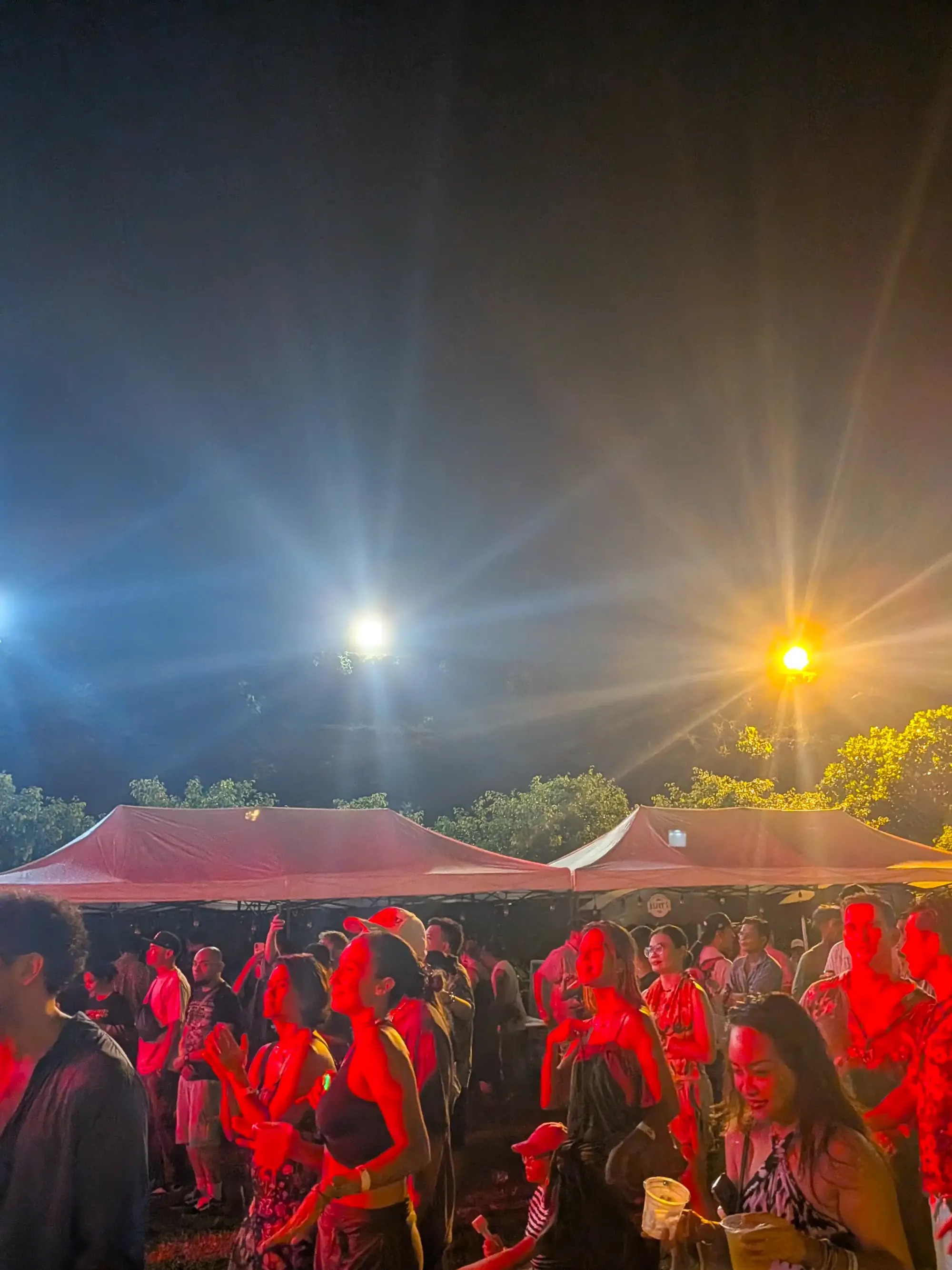
The Imbayah Festival was supposed to happen this April. It would have been significant — the municipality had returned the festival to its original three-year cycle, and 2026 was the year. Executive Order 2026-028 suspended it. The language cited energy conservation and responsible governance.
The Imbayah is not a tourism promotion with tribal dances bolted on.
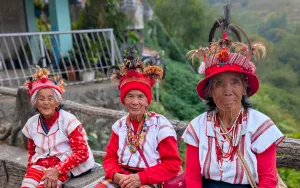
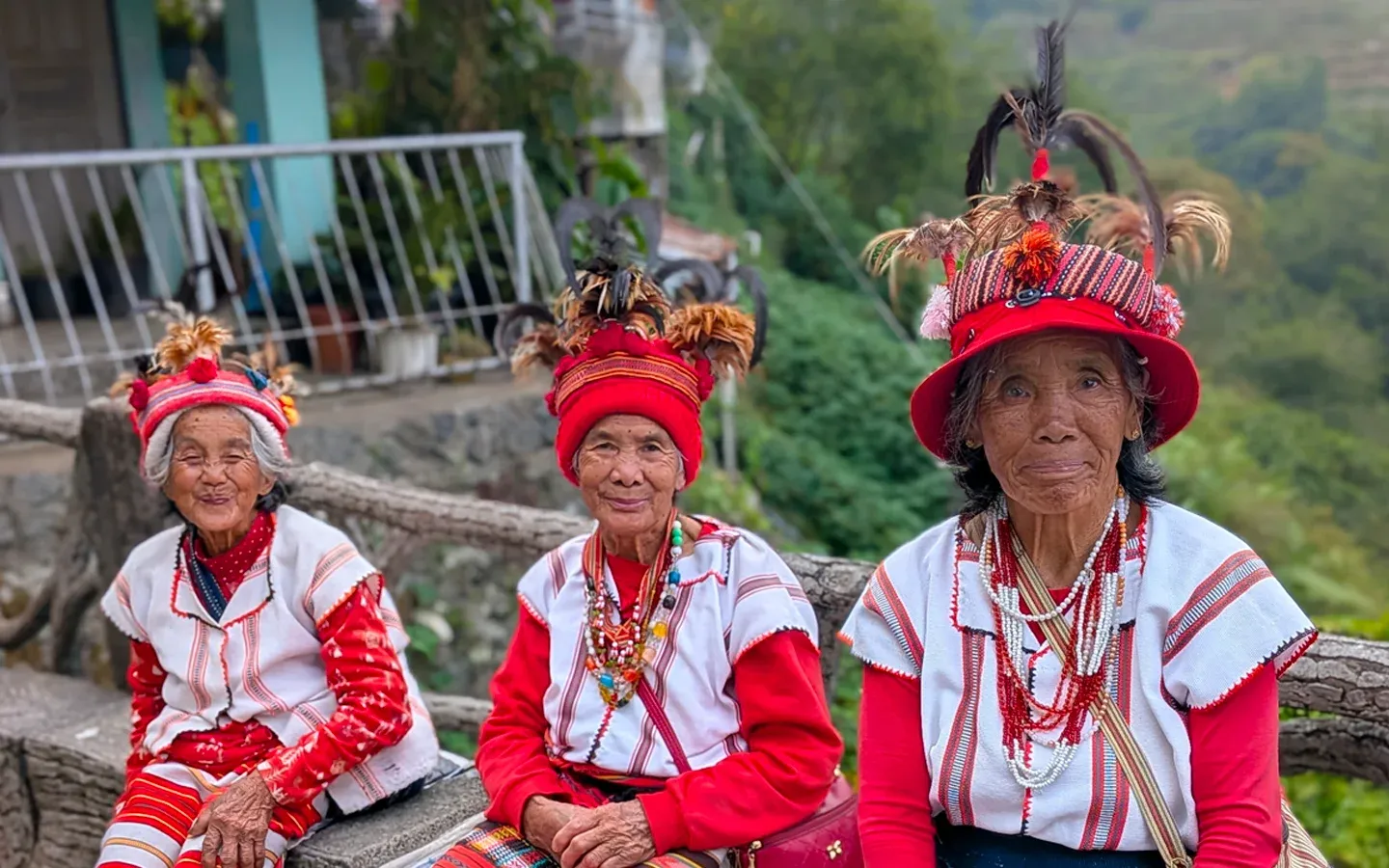
The word comes from bayah — rice wine — and the ceremony marks the elevation of a family to kadangyan, the Ifugao nobility. It was formalized as a public festival in 1979 by Mayor Adriano Apilis Jr., who saw Ifugao traditions being overshadowed by modernization and booming tourism. The whole point was continuity. Banaue is not the only casualty. Mountain Province cancelled its Lang-ay Festival under the same directive.
Across the Cordillera, culture is what gets suspended when the fuel runs out.

What Diesel Can't Touch
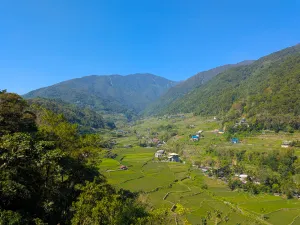
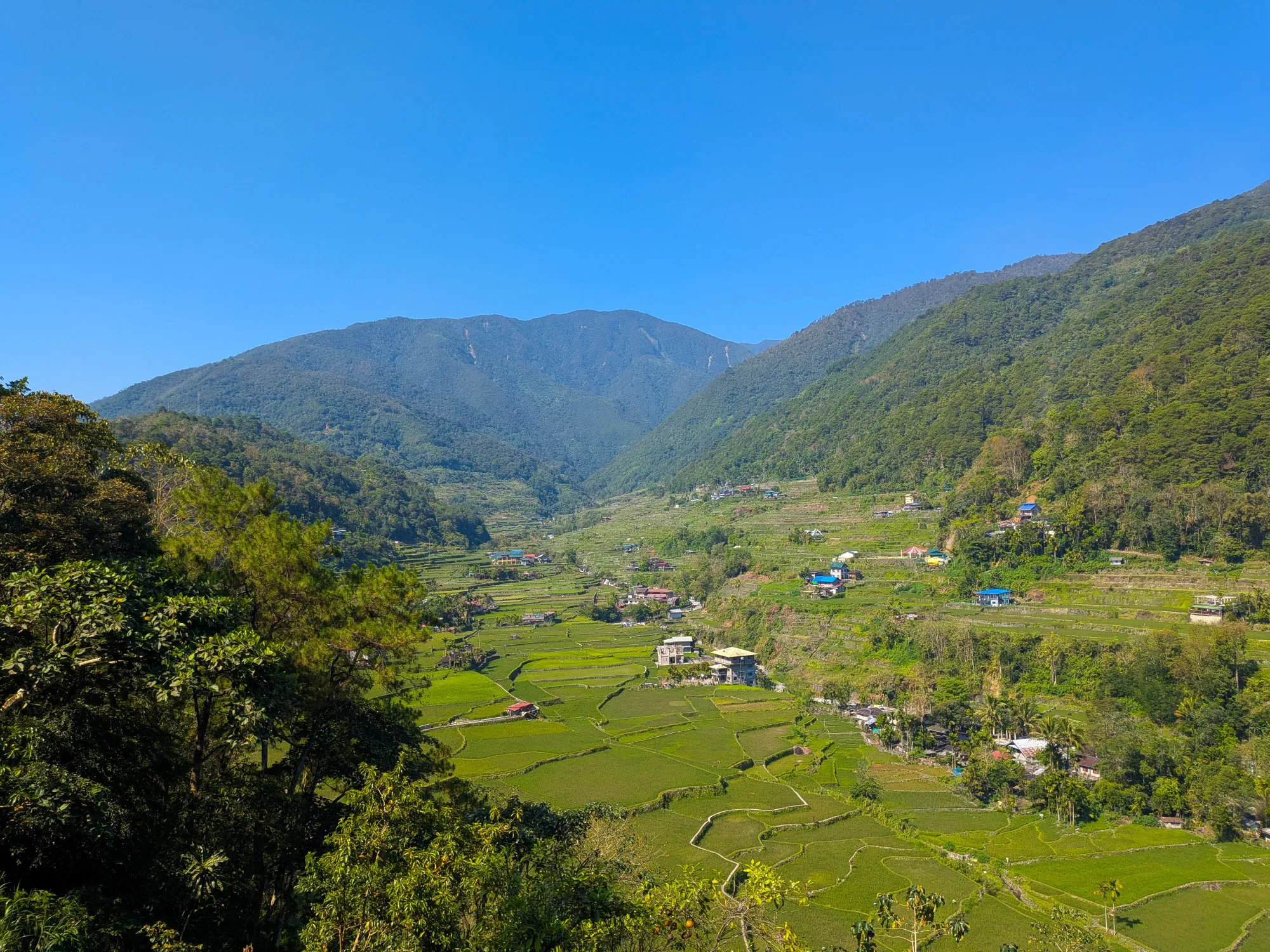
The terraces don't need diesel. They were engineered — by hand, with stone — long before internal combustion. Water still flows through the same channels. Rice still grows in the same mud. The system that built and maintains these mountains is, by design, self-sustaining.
But everything around the terraces runs on fuel.
The tourism economy that gives Jody his livelihood. The transport network that connects twenty thousand people to the lowlands. The festivals that keep a younger generation tethered to traditions they might otherwise leave behind. A place built for permanence now depends on a supply chain that starts at the Strait of Hormuz and ends at a locked pump on a mountain road.
Jody just did the math out loud and let me decide if the ride was worth it.