The Women of the Viewpoint
I used to walk past them.
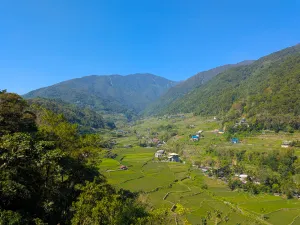
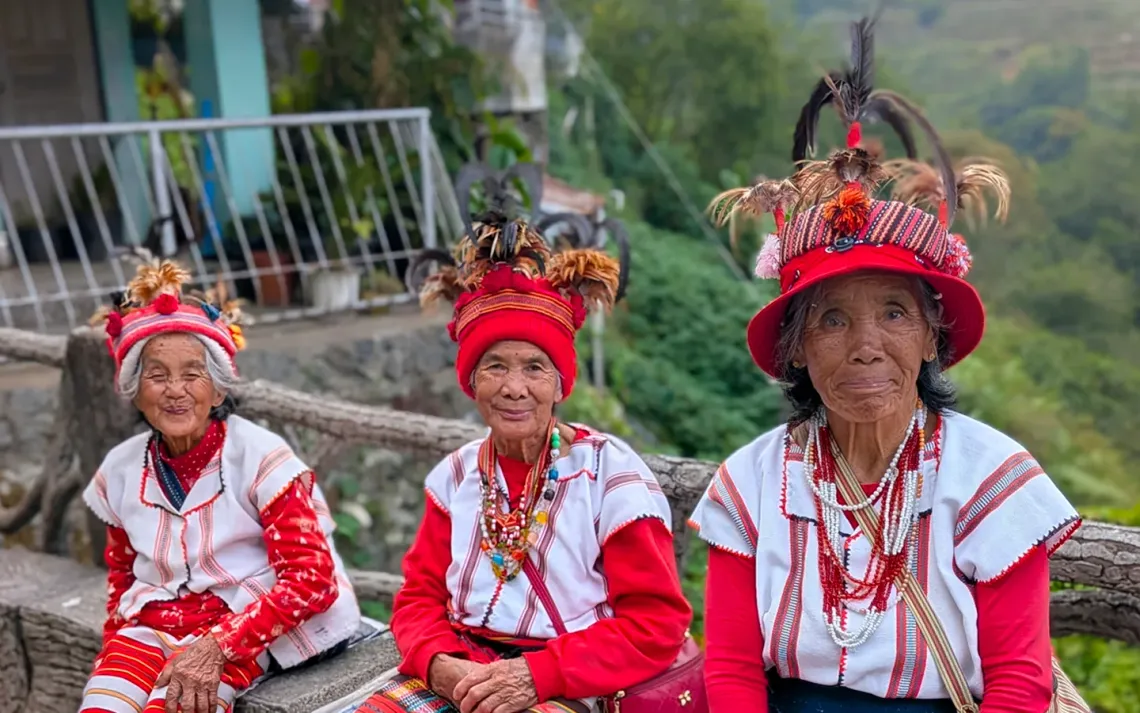
The Ifugao women at Banaue viewpoints — traditional dress, feathered headdresses, beads layered deep — sitting on stone walls overlooking the terraces. They pose for tourist photos. A hundred pesos, two hundred. Your phone, their patience. Click, salamat, next.
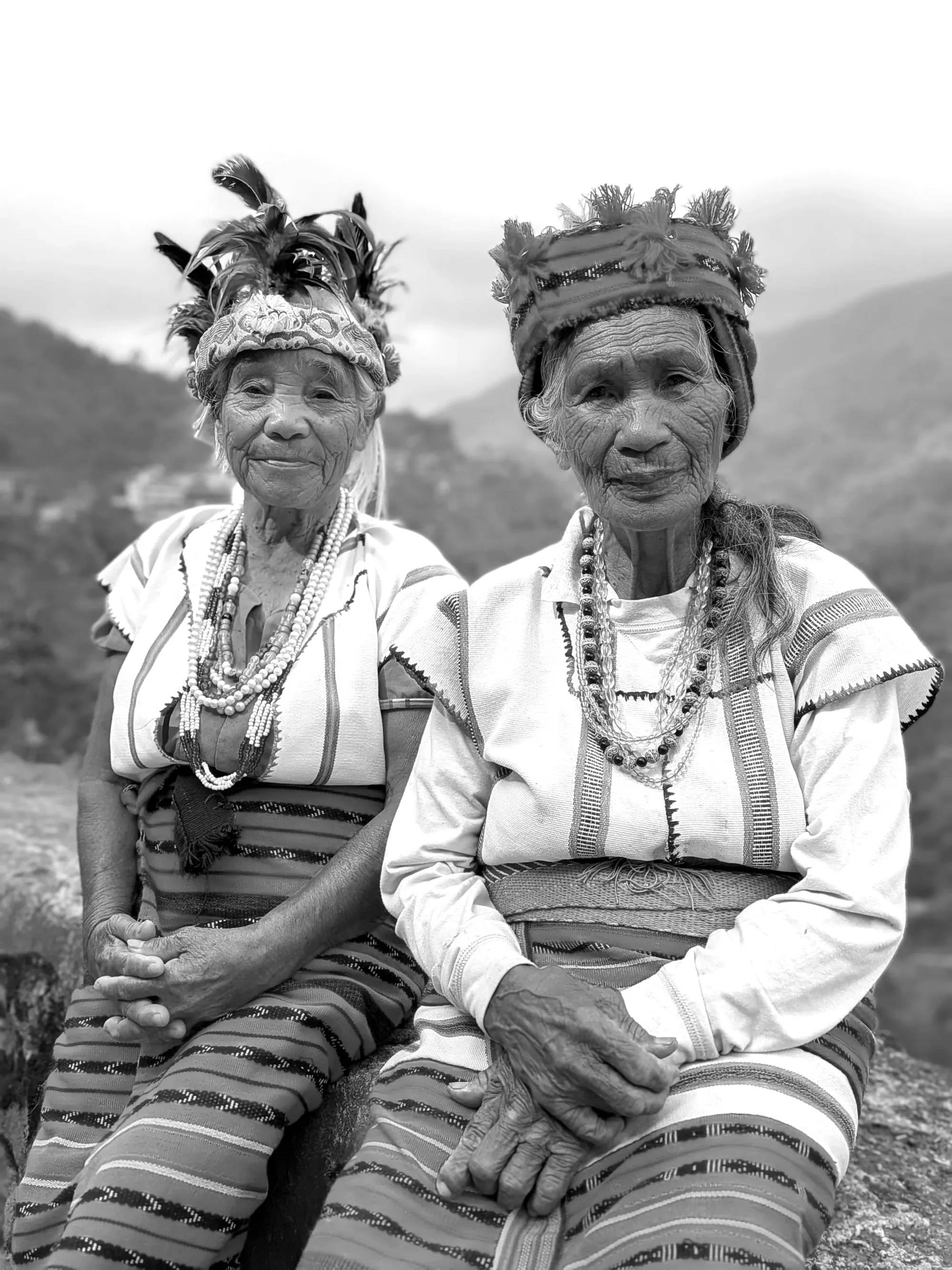
I used to think this was the part of travel I didn't like. The performance. The transaction dressed up as culture. So I'd aim my camera at the terraces instead.
This trip, I got to a viewpoint at six in the morning. Two women were already there. Not posing. Arriving. Walking bent over uphill in the cool air, adjusting their wraps, settling onto the rocks like they were punching a clock. Which they were.
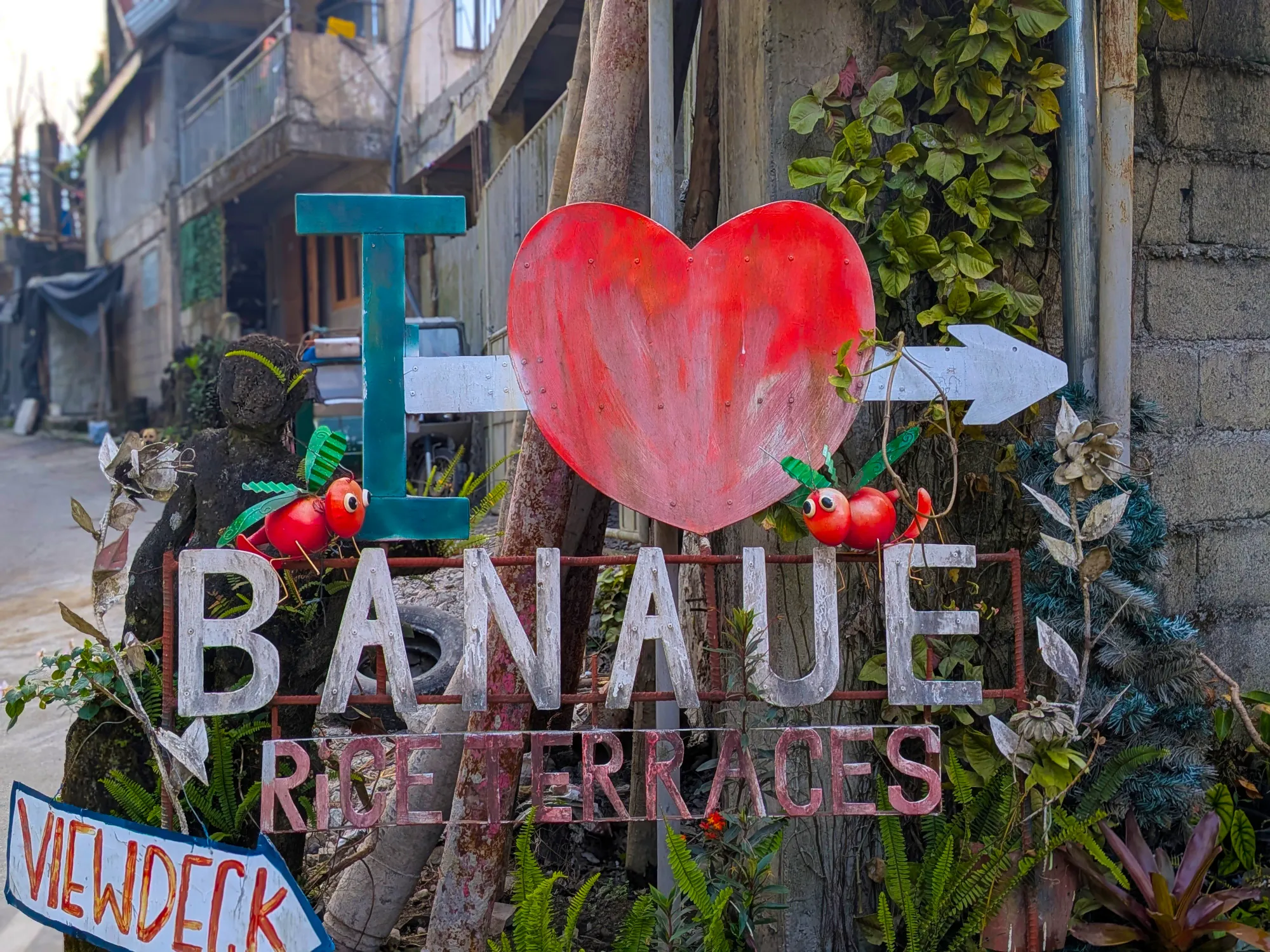
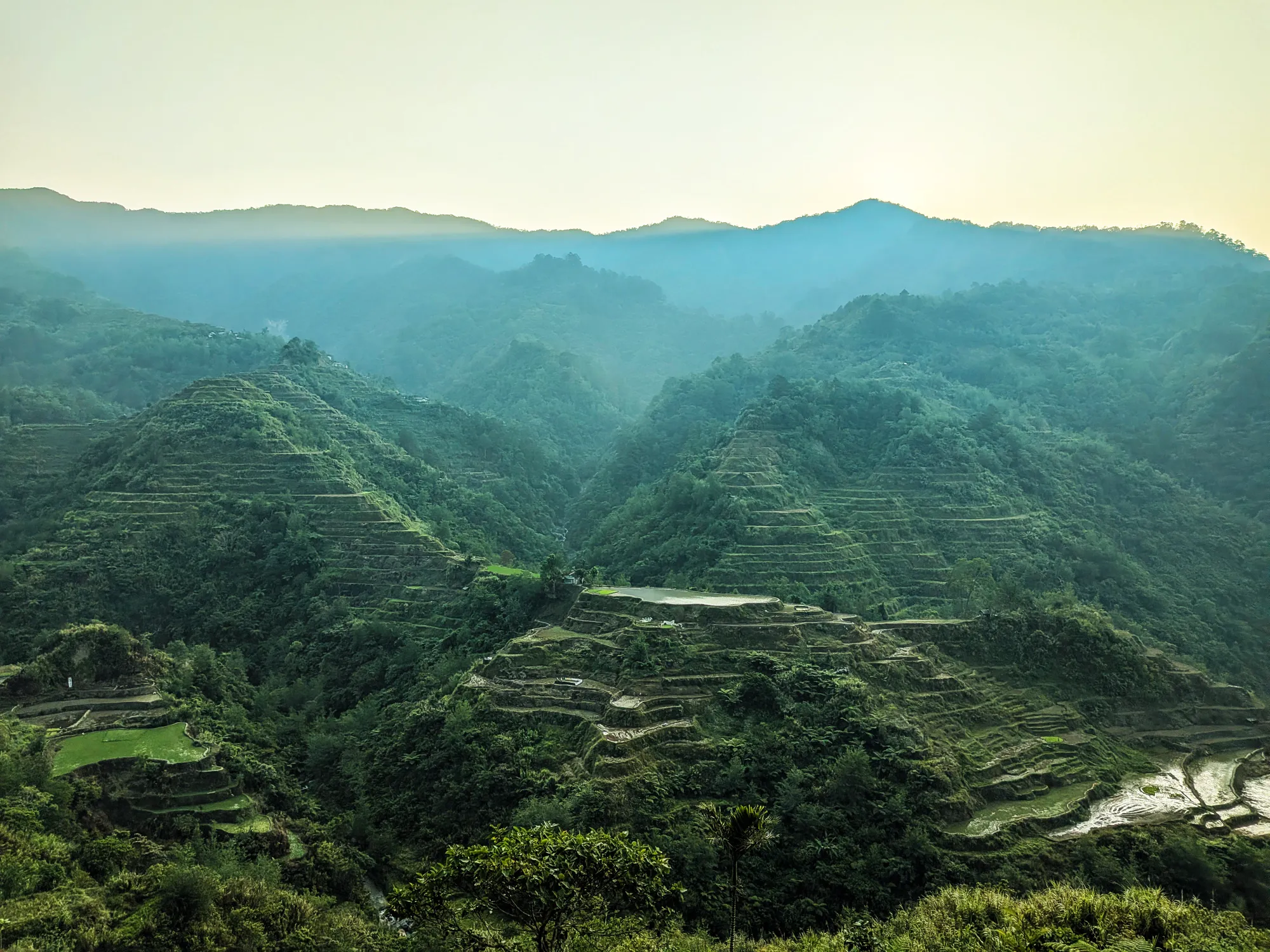
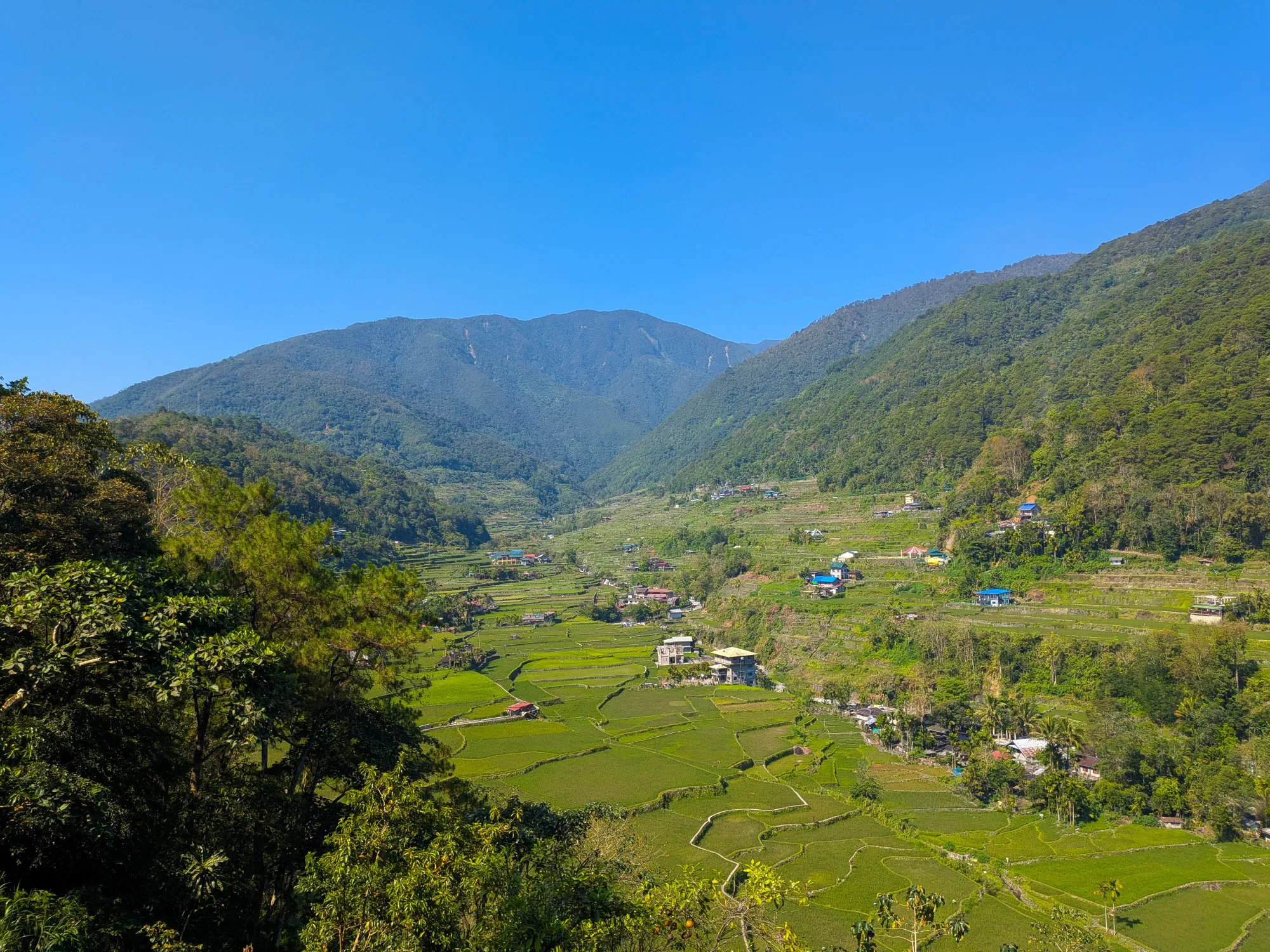
The brochure version says the terraces are 2,000 years old. The archaeological version is more interesting.
Radiocarbon dating and botanical analysis from UCLA's Ifugao Archaeological Project place the shift to wet-rice terracing around the 1600s — roughly when the Spanish were pushing into the northern Philippines. The Ifugao didn't retreat into the mountains to hide. They consolidated. They converted to wet-rice agriculture as an economic and political strategy, building the infrastructure that would let them resist colonization for over two hundred years while the rest of the archipelago was Hispanized. The terraces aren't monuments to a static past. They're resistance infrastructure, built by people who saw what was coming and engineered their way out of it.
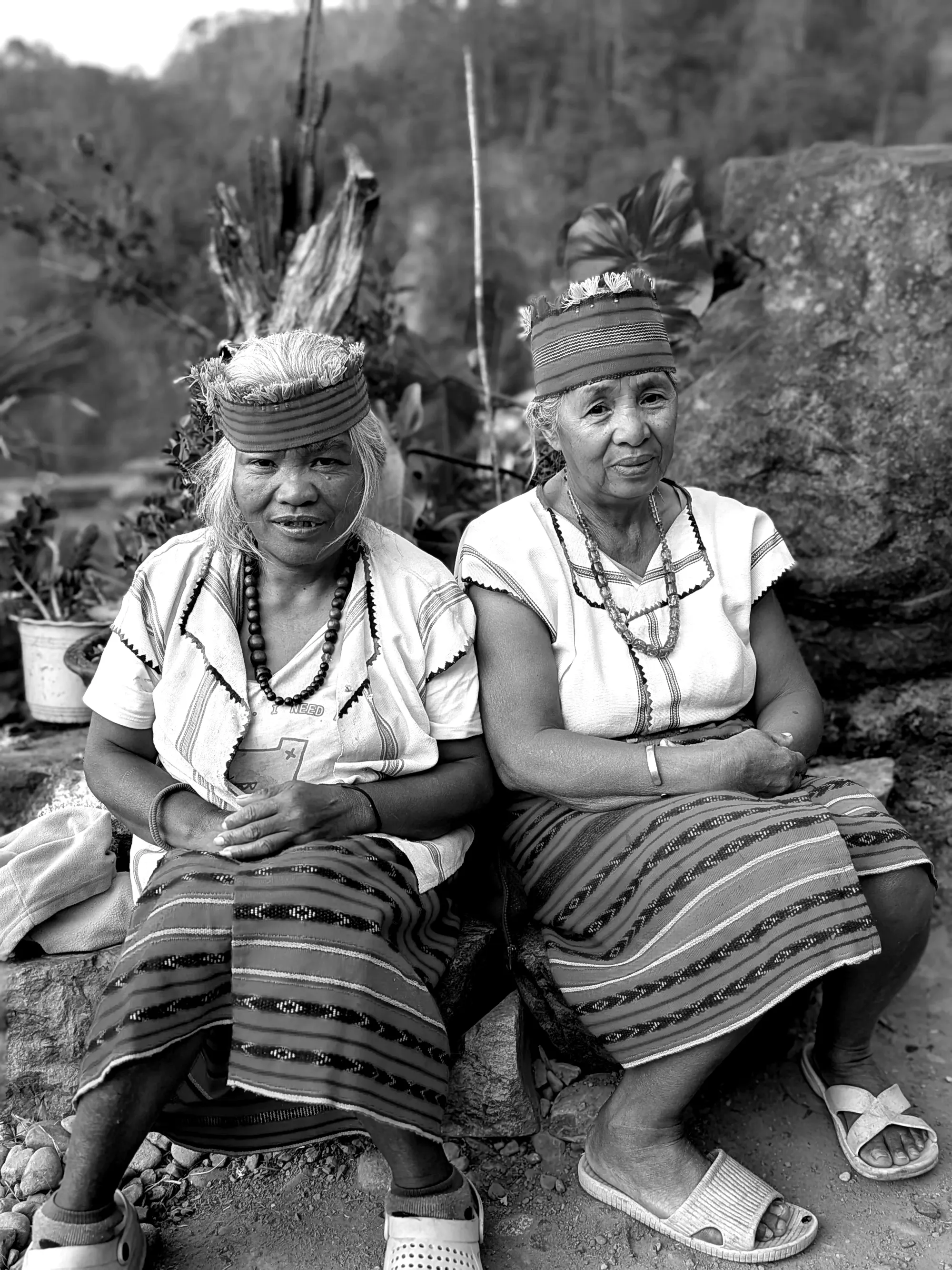
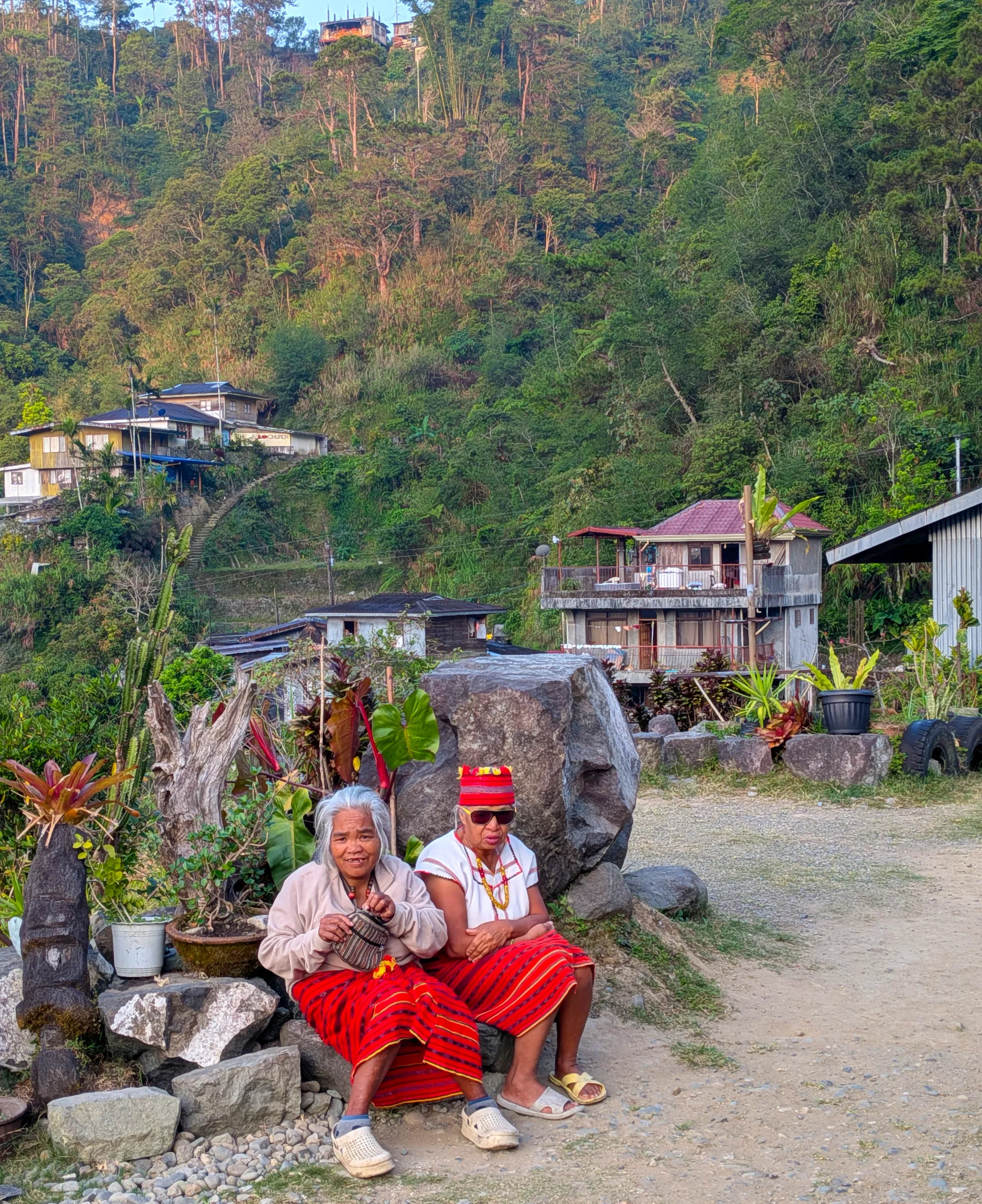
The photo ladies of Banaue View Point
The women of the viewpoints are the descendants of that shift. They spent decades working those terraces — you can see it in how they move, the careful way they lower themselves onto the ledge.
Younger Ifugao leave for the cities because subsistence farming doesn't generate income. Some terraces get converted to other cash crops, some are abandoned altogether. The system that held for centuries is thinning out. So the women who maintained the thing tourists come to photograph found a way to be part of the photograph. So the women who maintained the thing tourists come to photograph are part of the picture.
A hundred pesos is about $1.75 USD. The women show up before dawn. They sit for hours. They smile, adjust a headdress, lean in with a stranger, do it again. It's work — repetitive, physical, performed by women in their seventies and eighties who could reasonably be done working but aren't, because the economics of rural Ifugao don't offer that option.
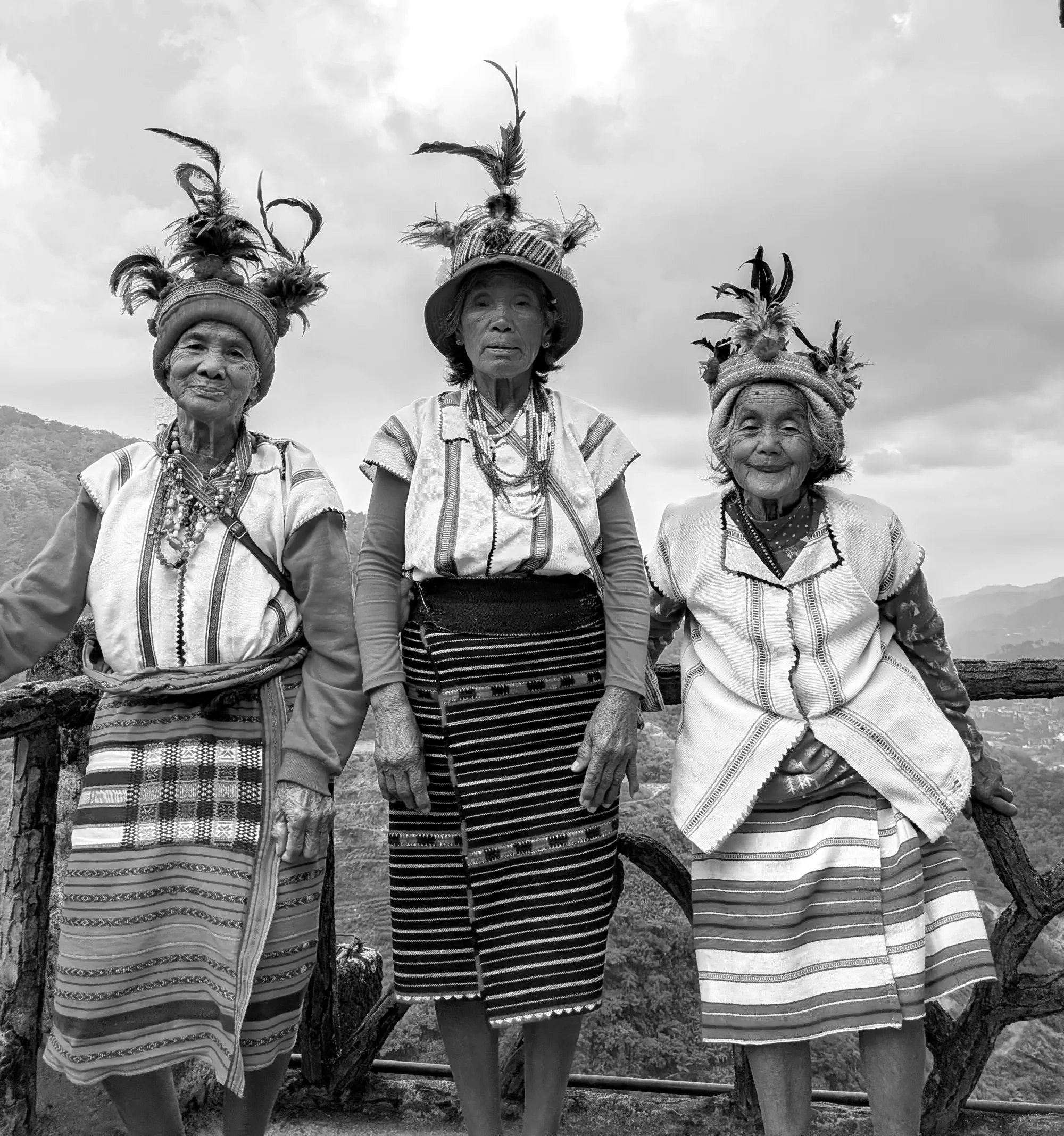
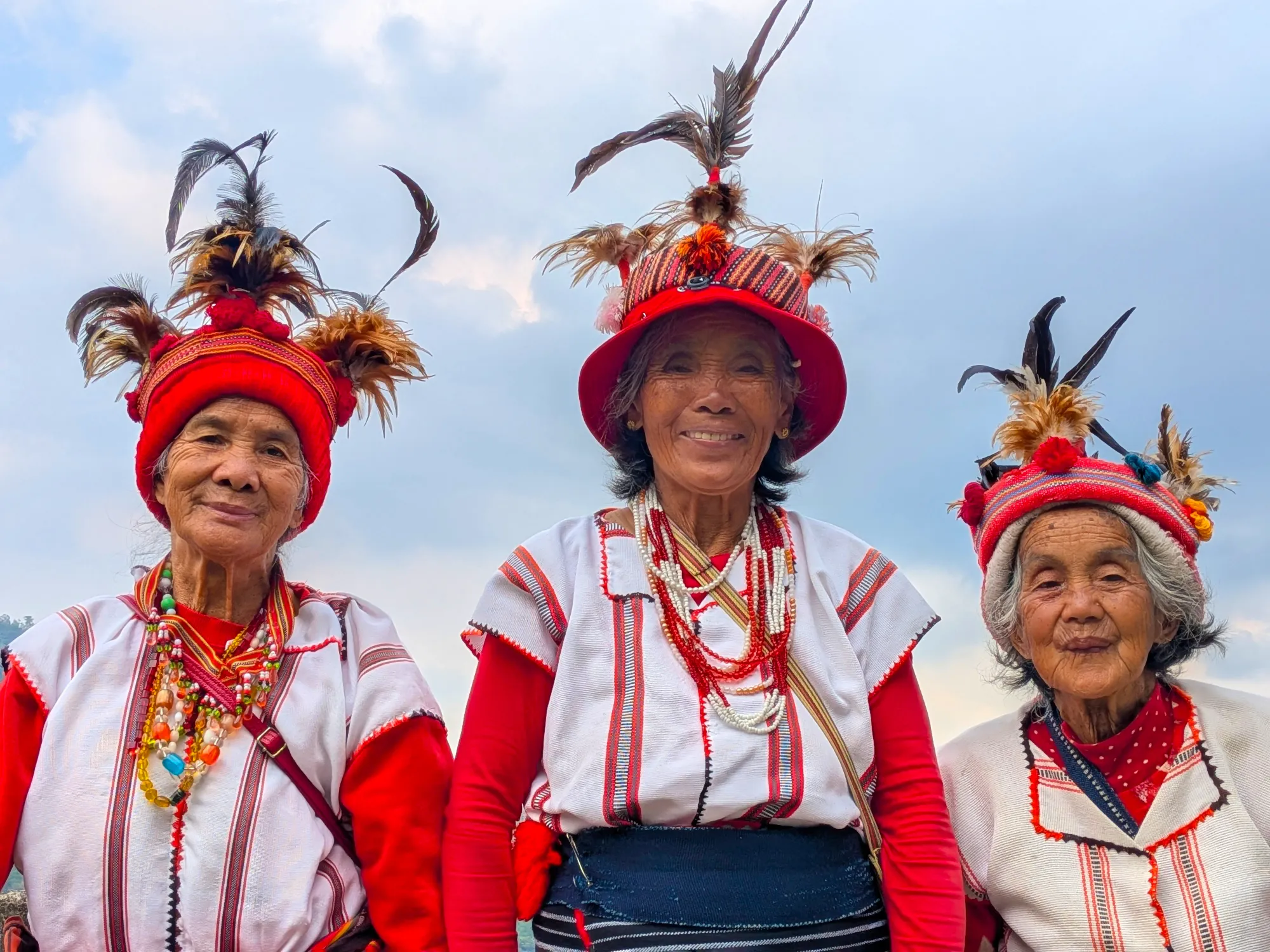
The photo women of the Banaue Rice Terraces Main Viewdeck
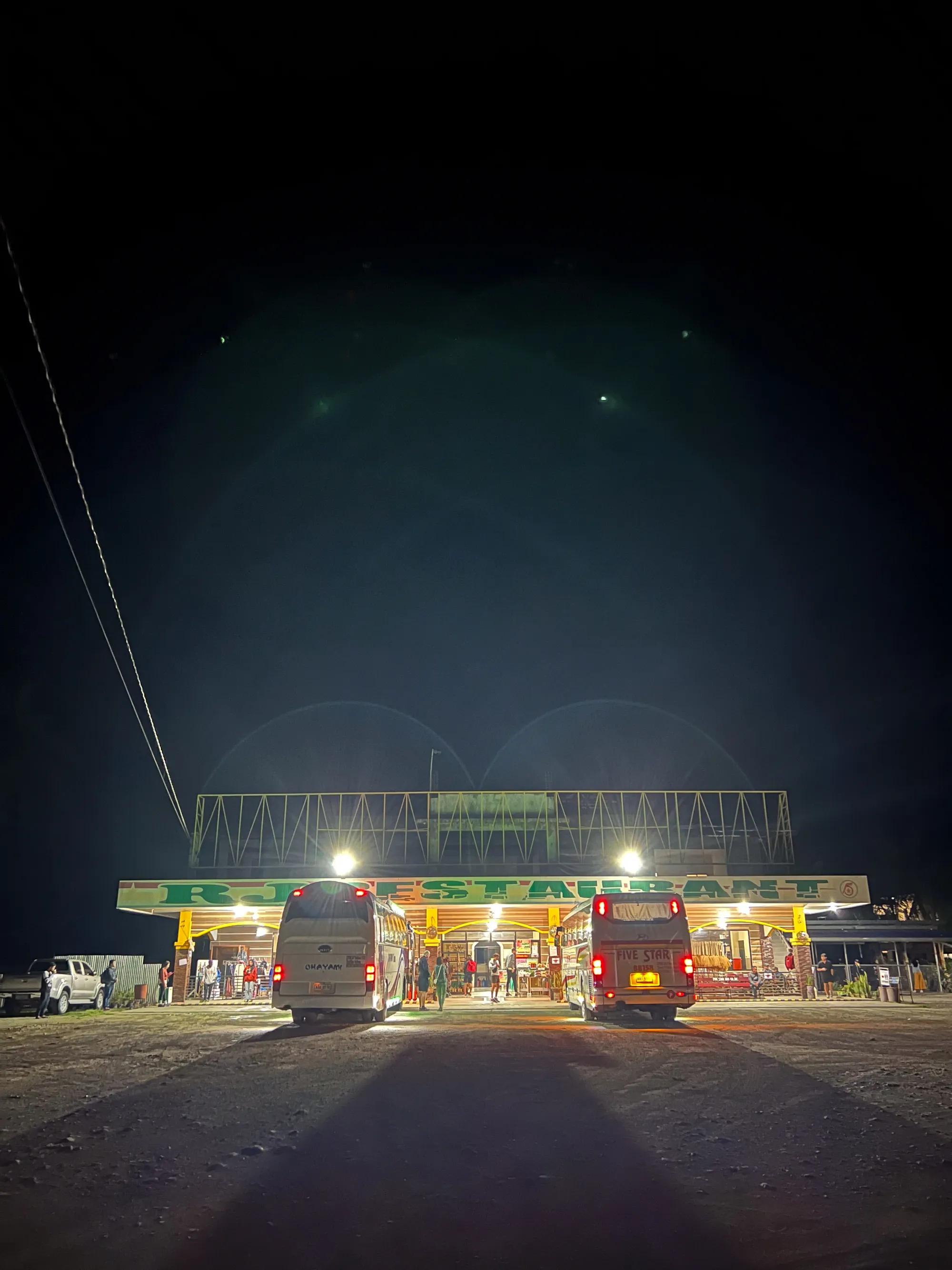
This is social security where formal social security doesn't exist. You put on the clothes your grandmother wore. You sit where the view is best. You offer your presence to people who traveled nine hours on a night bus to see what your family spent generations maintaining.
I got my photo. I paid more than I needed to. Not out of guilt — out of recognition that the transaction was fair.
Four hundred years ago, their ancestors looked at a colonial army and built their way out. Now these women look at an economy that's moved on without them and do the same thing.