Catwalking Bangkok & Manila
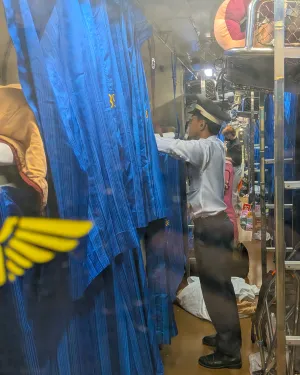
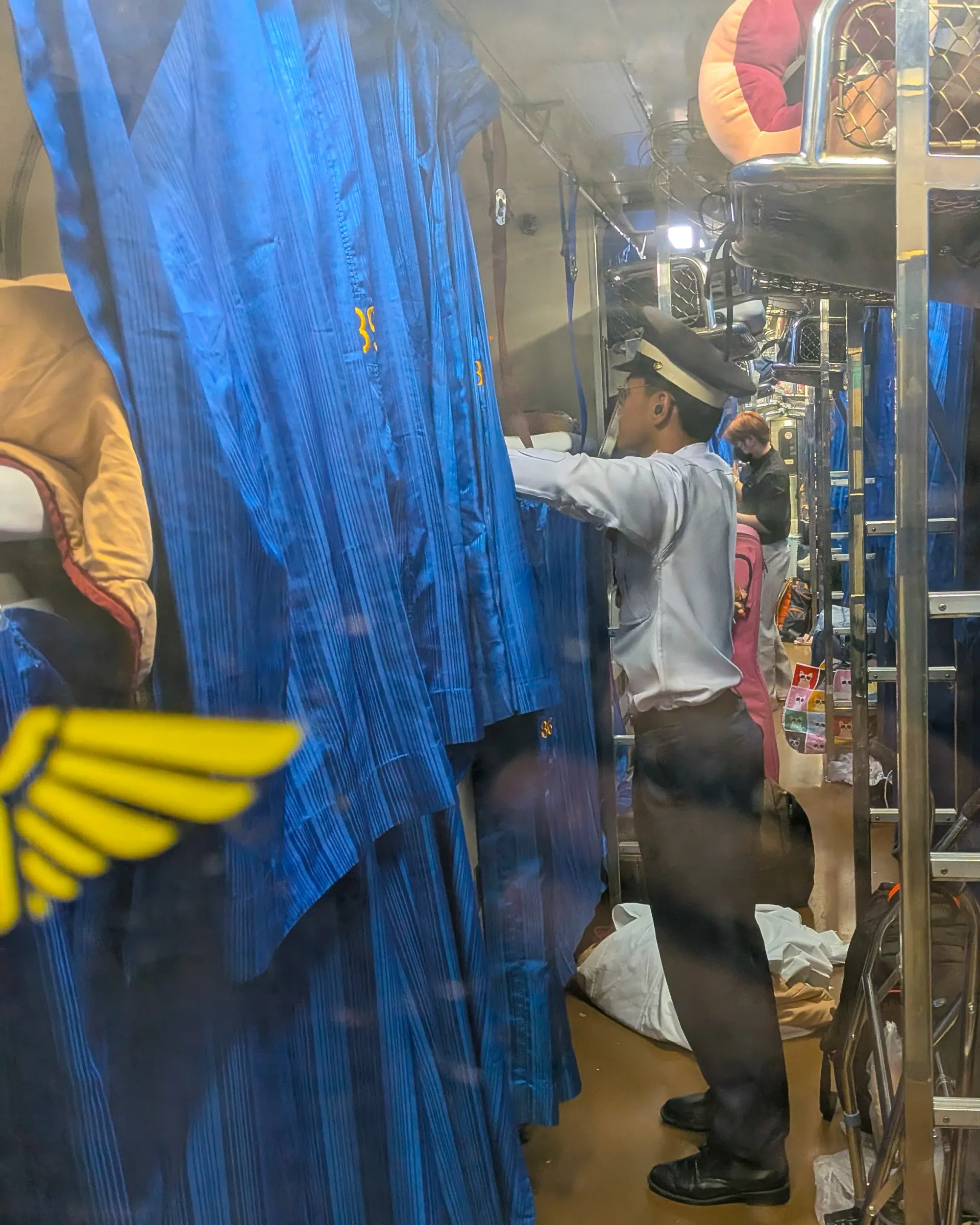
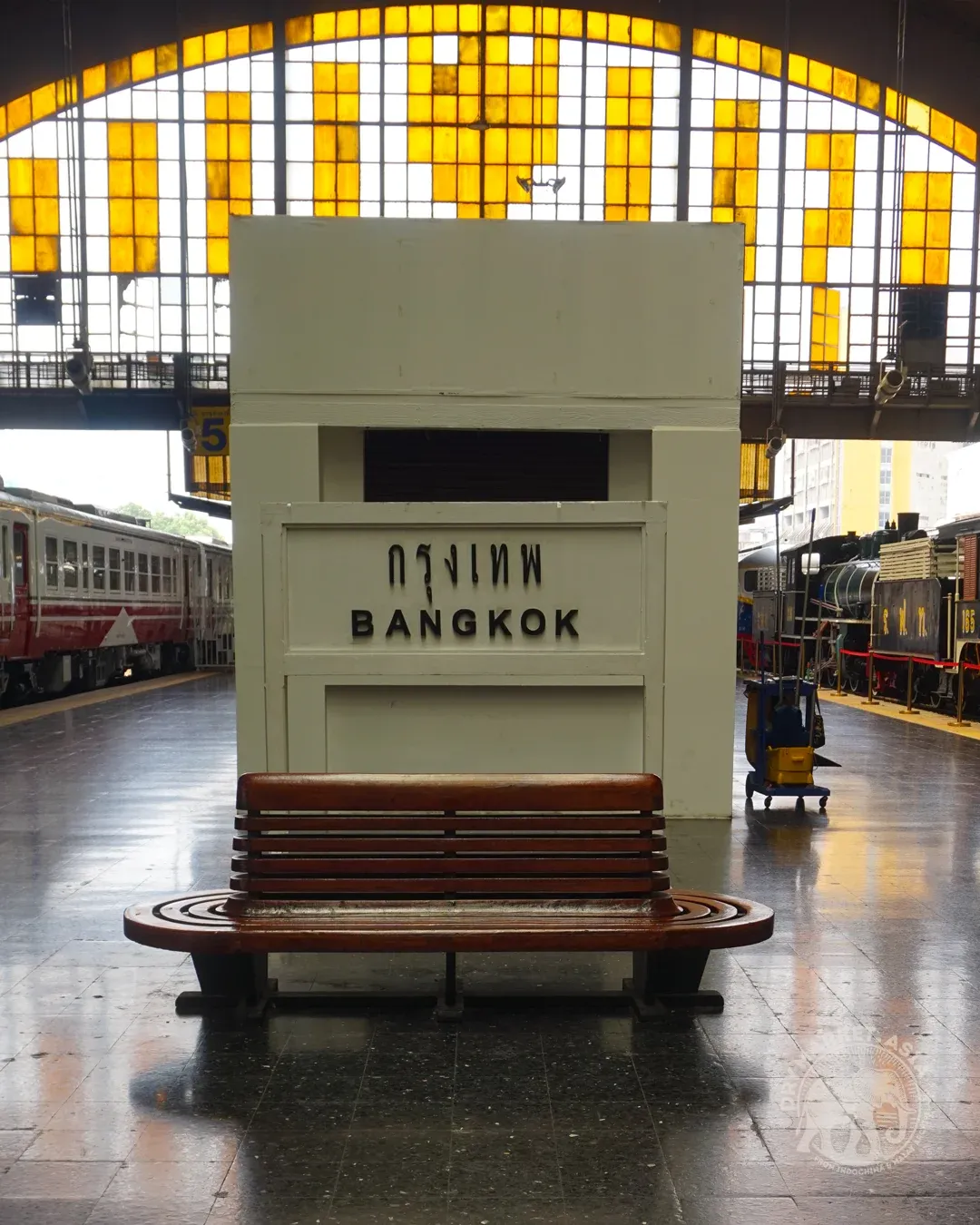
Parth and I walk off the platform at Hua Lamphong with photographs done and nowhere in particular to be. We met to talk about marketing, projects, and generally chop it up. His wife, Eshita, is somewhere else.
They have a month in Bangkok, working remote out of Mumbai — Parth running his own marketing work and building out his side of the influencer thing, the kind of thing that makes you attuned to the city, every turned corner is a small reconnaissance.
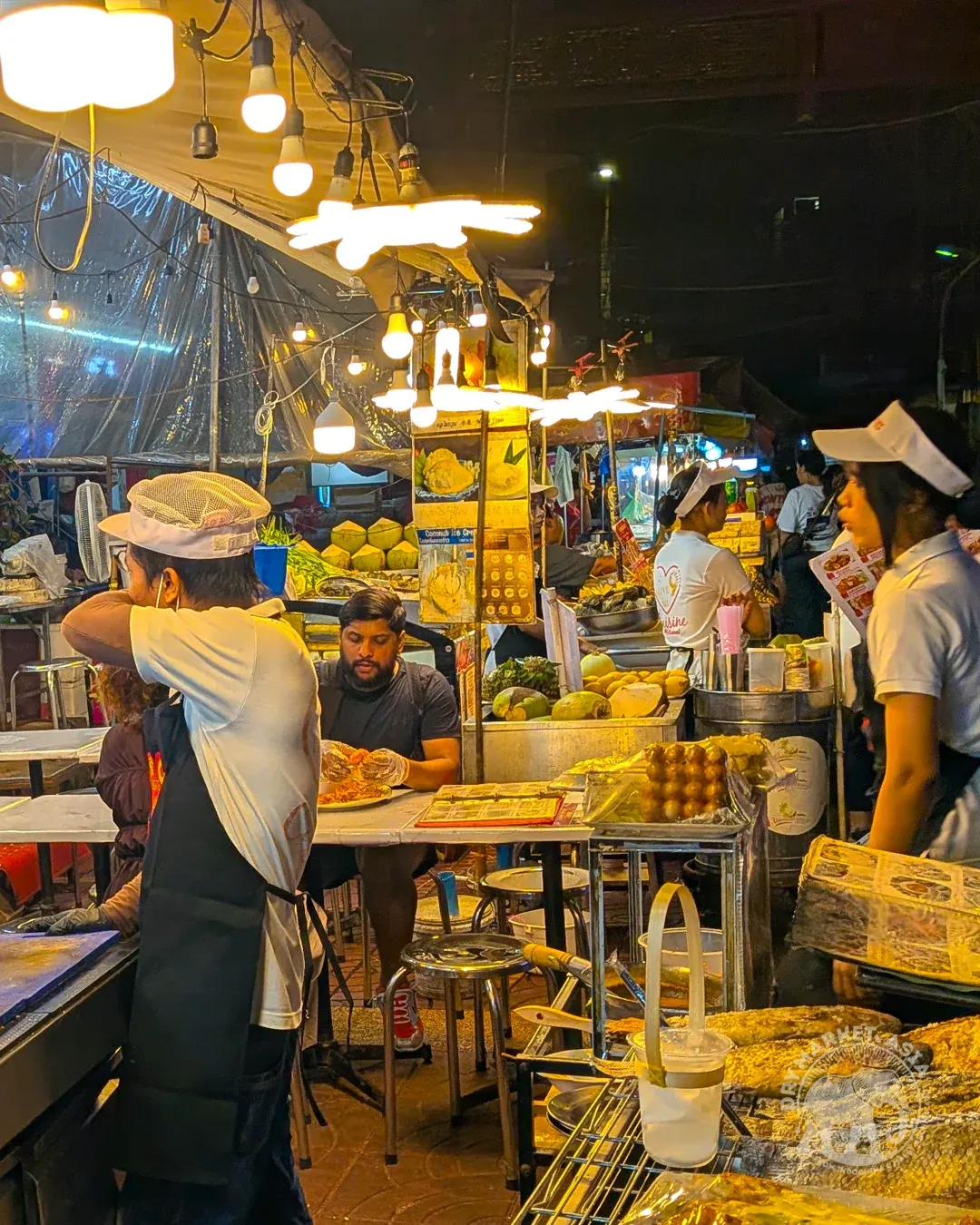
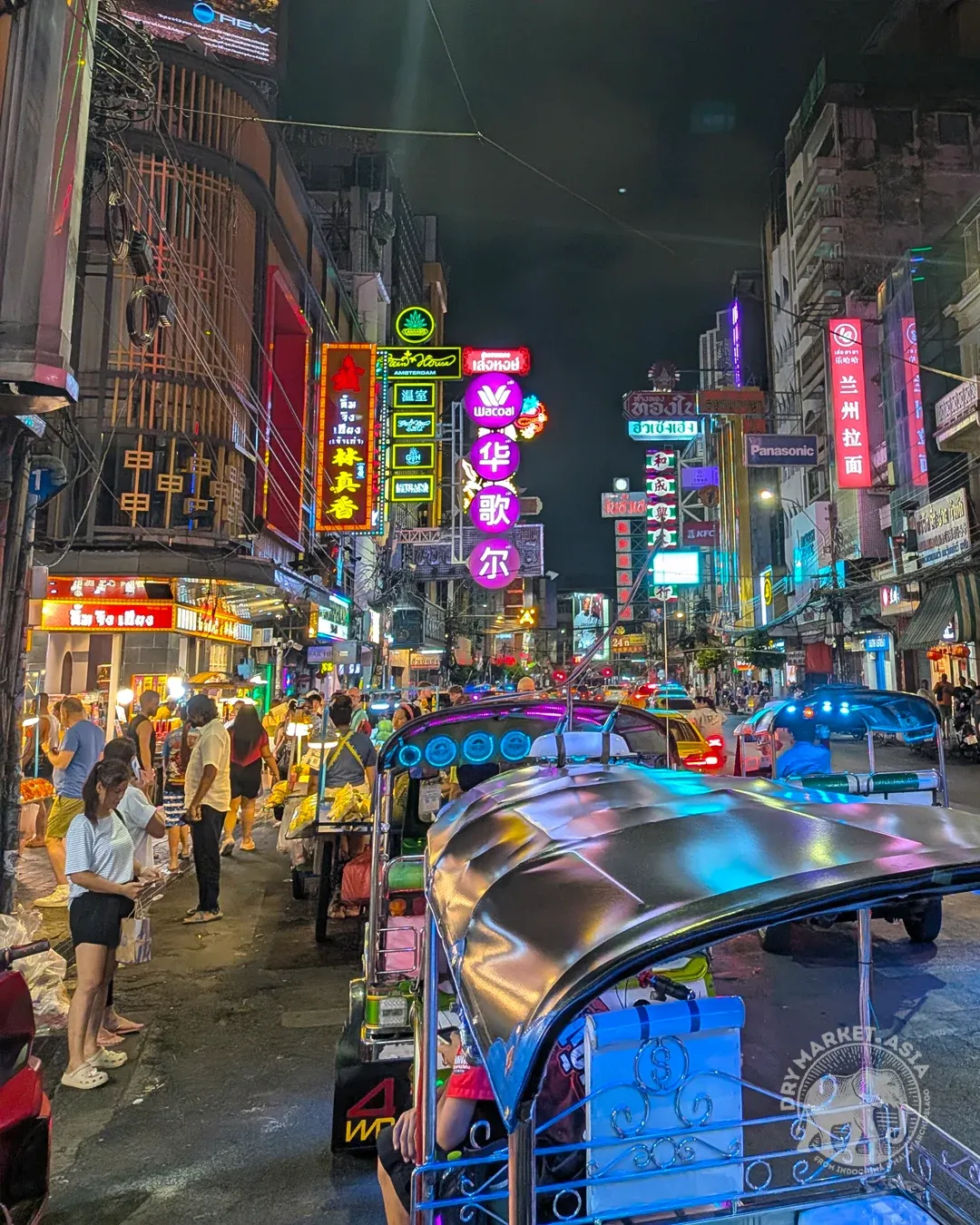
We drift north and west. Not by plan. Charoen Krung pulled us toward Yaowarat the way a slope pulls water. The light went late-afternoon on the shophouse facades.
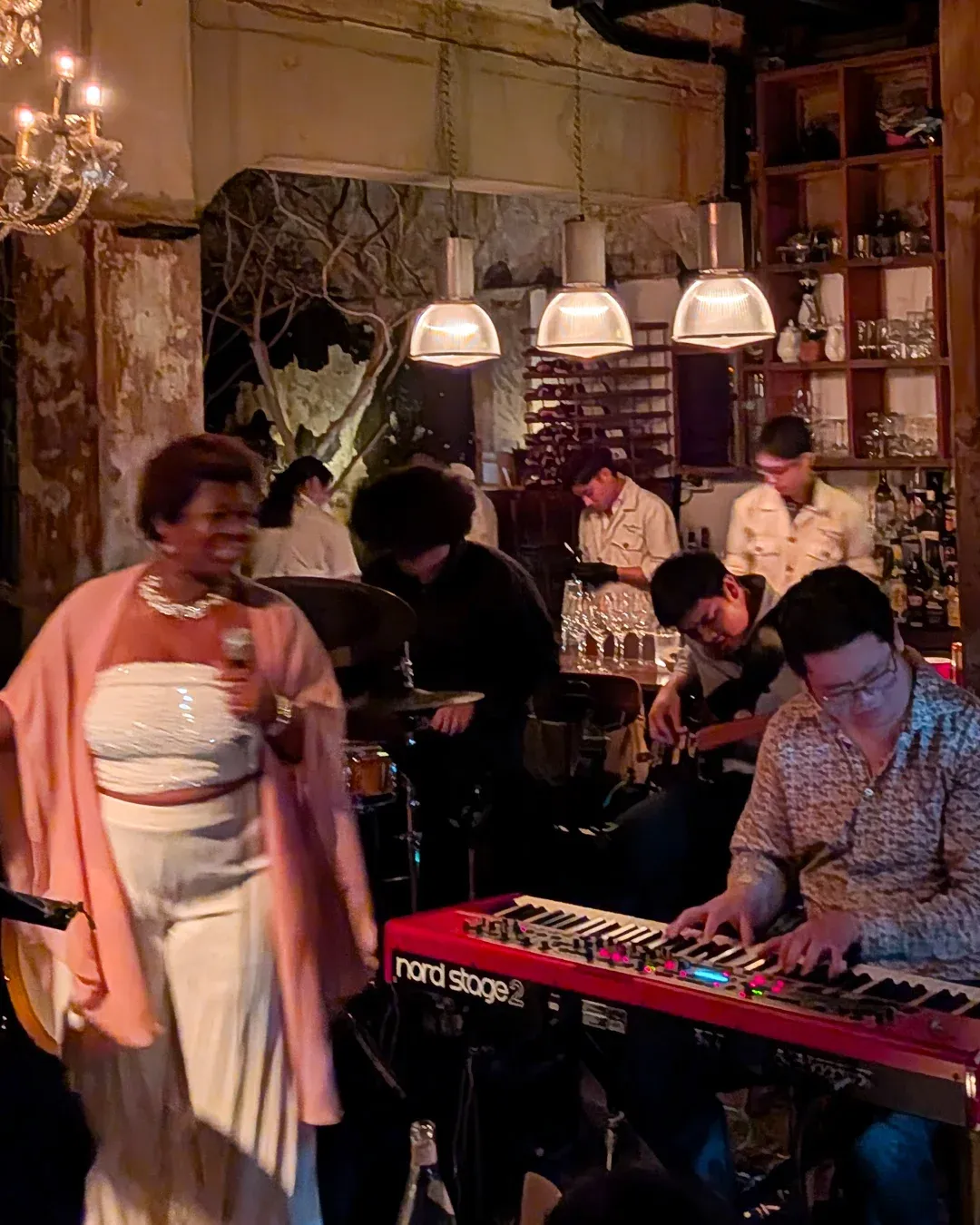
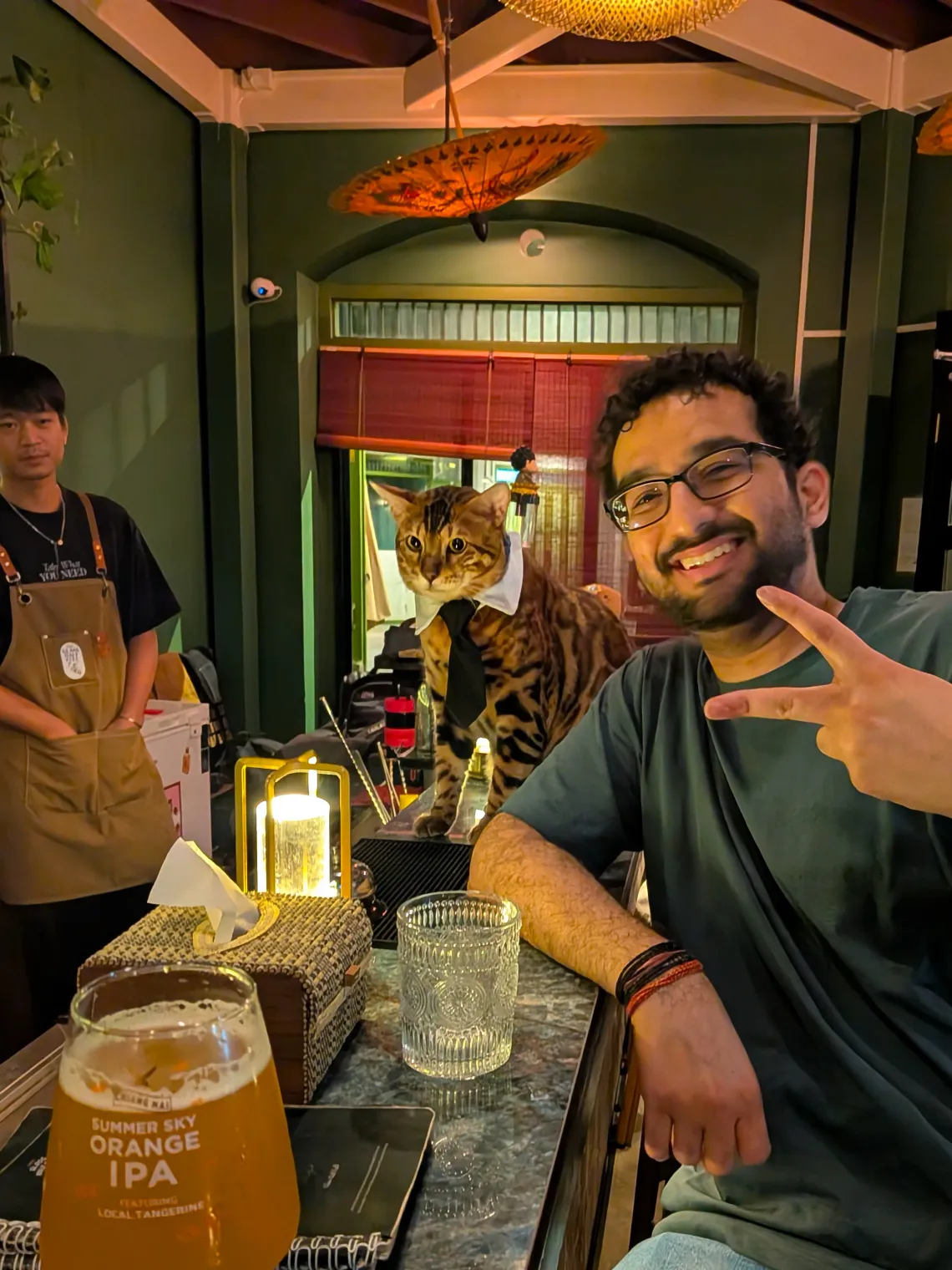
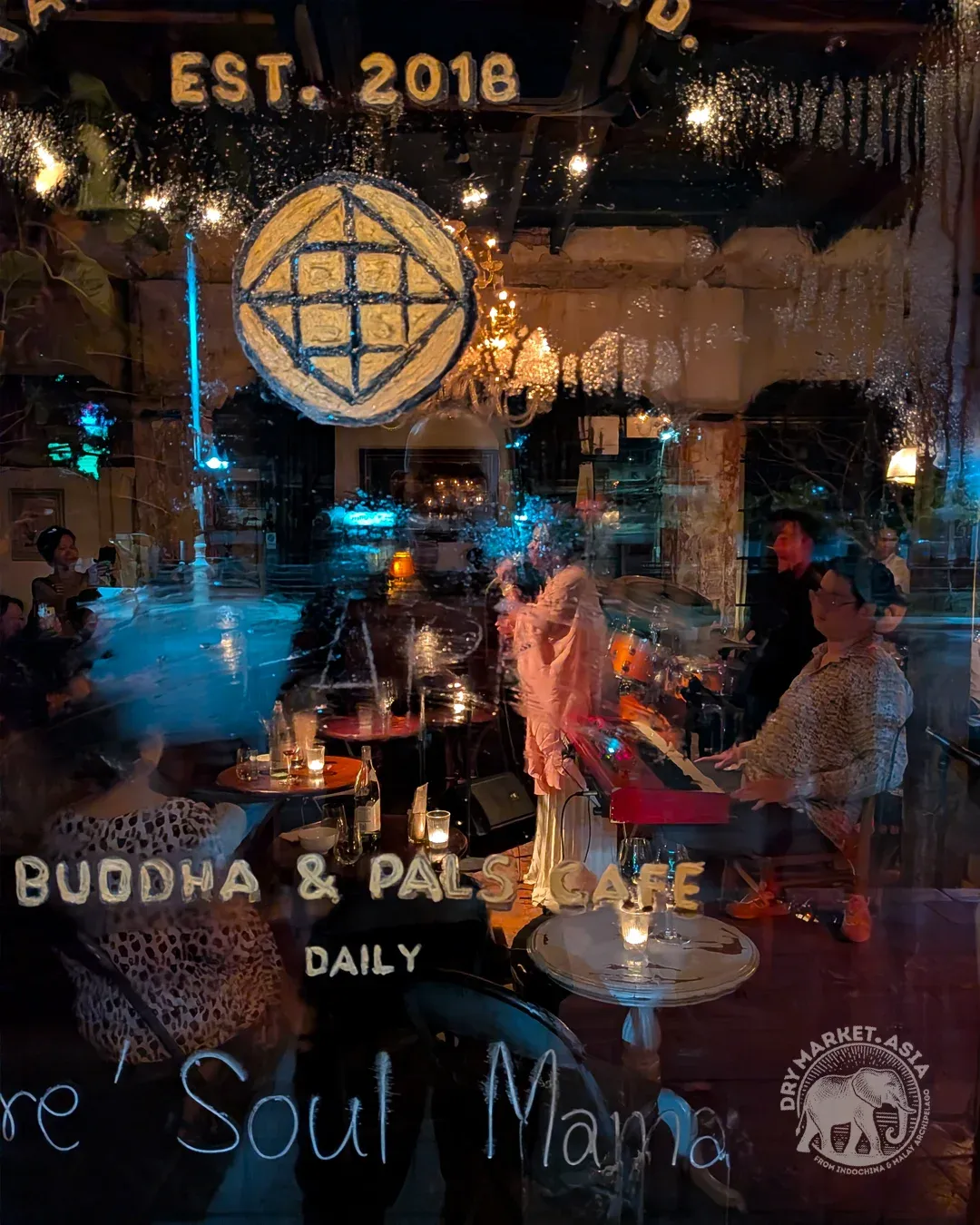
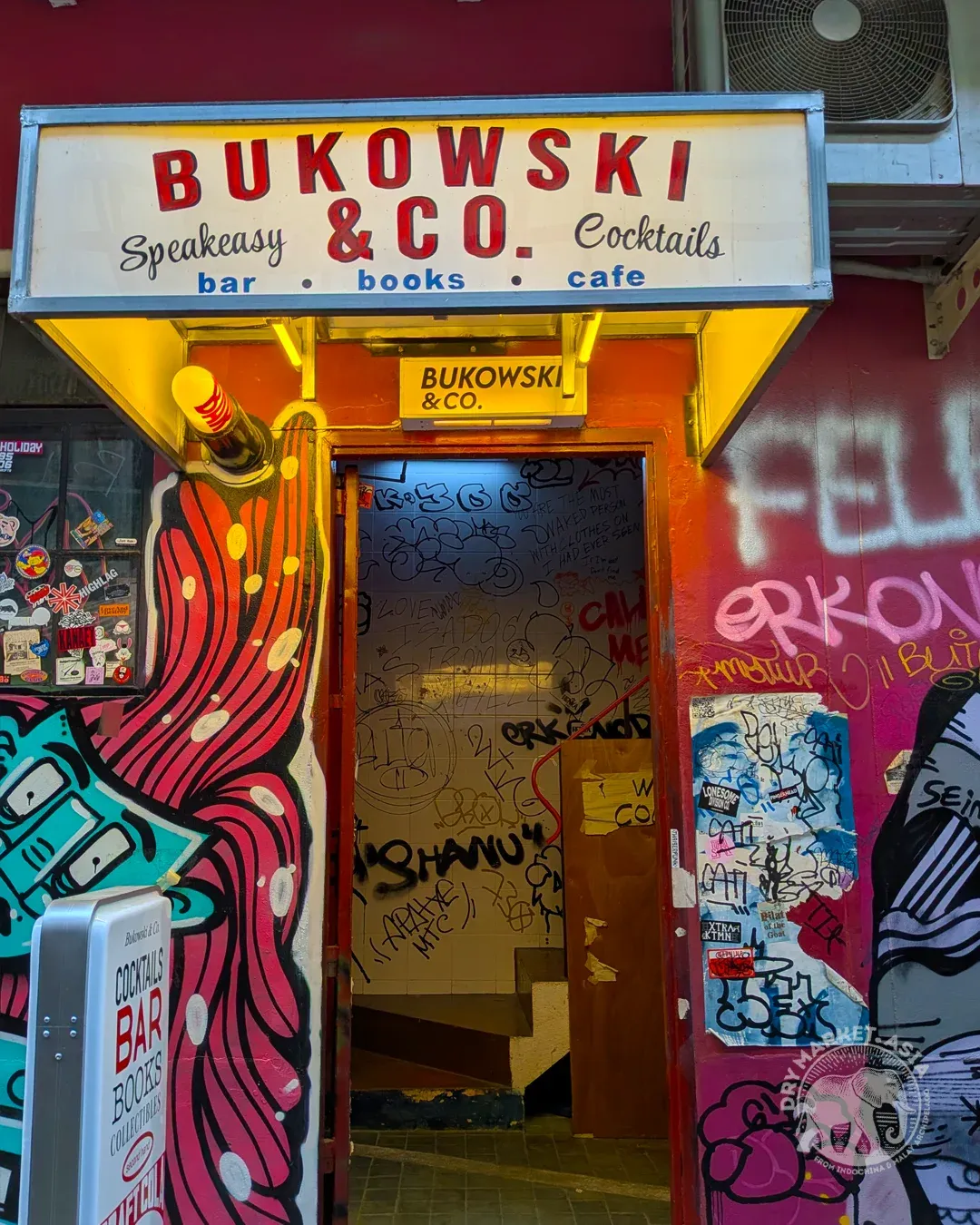
Our last stop of the night was Glass Half Full, a small craft cocktail bar on Luean Rit Alley, just off the main Chinatown drag. A faux-hutong — a constructed pocket of shophouse atmosphere built next to the real one.
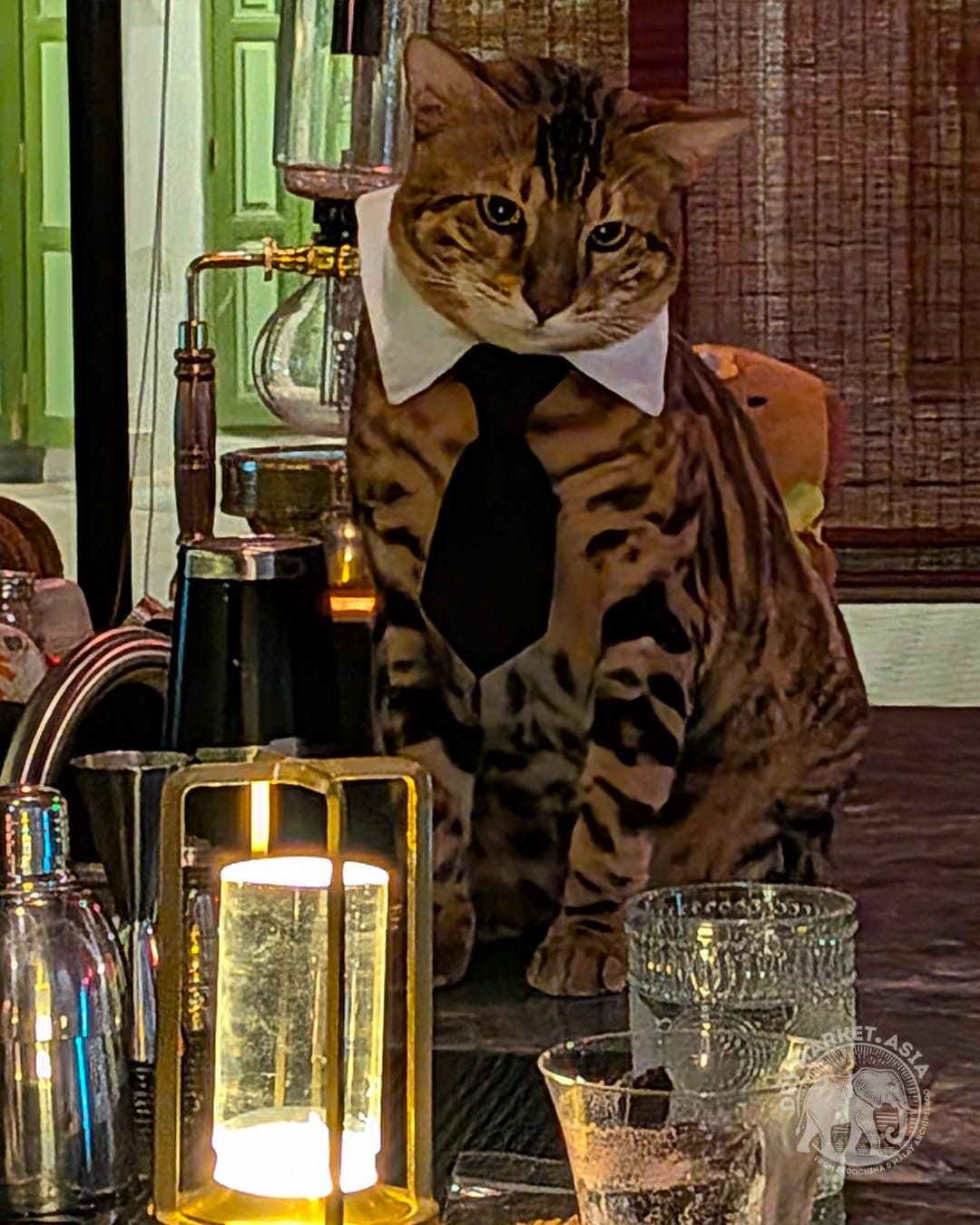
The place is owner-run, and a large Bengal cat named Cren presides here. He’s large and sports a shirt collar and neck tie that make sense in context.
In Bangkok, even the bar cat seems dispatched from central casting.
Another day in BKK
And now a short dérive
We might call a large bar cat with a collar and tie and attractive spots a spectacle, in that spirit that obstreperous band of artists and theorists in Paris, working in the late 1950s under the name the Situationist International.
Their main figure was Guy Debord, who distilled Marx and Heidiger to argue that modern capitalism had figured out how to replace lived experience with its own image. You don't live a life anymore; you consume a representation of life. The city is no longer a place you inhabit; it's a surface you're managed through — by advertising, by zoning, by tourism infrastructure, by the logic of consumption. Everything authentic gets absorbed, packaged, and sold back to you as a simulation of itself.
They had three tools for fighting back.
- The dérive — drift. Stop following the city's intended routes. Let yourself be pulled by the psychogeographic currents of the place, the moods and textures different urban zones exert on your behavior.
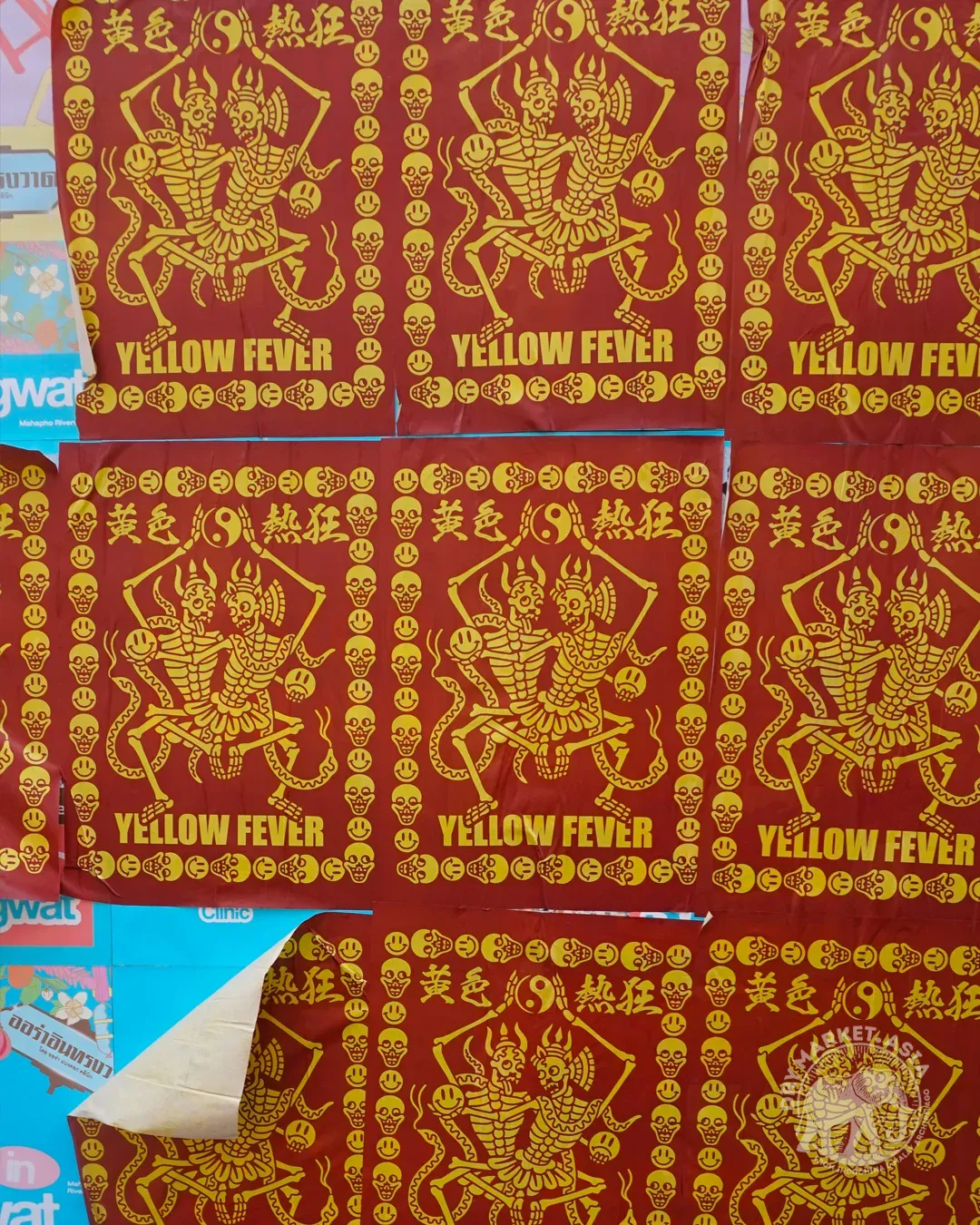
- Détournement — hijack. Take an existing cultural form, an advertisement or a religious image, and subvert it to mean something it wasn't supposed to mean.
- Psychogeography — the study of how the built environment shapes feeling and motion. Different neighborhoods exert different psychological pressures. The SI wanted to map those pressures and use them on purpose.
These ideas semed pretty amusing back when I would read books like Debord’s Society of the Spectacle without irony. But upon reflection, I suppose that I am often driven to encounter cities through the dérive, and détournement remains a potent tool for design and content creation.
The triumph of spectacle
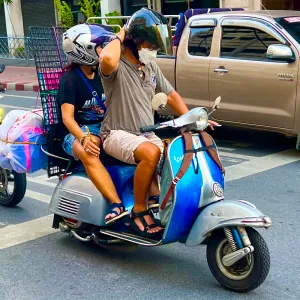
Bangkok is a city the spectacle has substantially won.
Siam was never colonized. Not in the 19th-century way the rest of the region was colonized. The Rattanakosin period runs unbroken from 1782 to the present — the same dynasty, the same capital, the same continuous administrative memory.
It’s a city that has held its self-image intact for two and a half centuries has the confidence, the budget, and the institutional muscle to package itself. The Grand Palace operates as theater because it has had two centuries to learn how to operate as theater. The tuk-tuk choreography is choreography. The vintage register of Charoen Krung is consciously maintained. Yaowarat is managed neon.
The version of the spectacle the SI argued about is one where everything authentic gets absorbed and converted into a piece of well-made simulation, and the well-made simulation is good. Run by people who care. Made by hands that know what they are doing.
Glass Half Full has a cocktail on its menu called PM2.5.
Named, presumably, after Bangkok's air quality reading — the particulate-matter index that lights up red on every weather app every dry season, indicating a public-health problem of the kind that other cities still treat as an emergency. At Glass Half Full, the air pollution is a cocktail.
That is the spectacle in its sophisticated form. The air itself, named, mixed, garnished, priced. And Cren isn't a coincidence either. Bangkok is comprehensive and breathable.
The city has the confidence of a place that has decided what it looks like and serves you at street level with two hundred years of institutional skill behind the serving — and now, for those who care to engage at the next tier, with a cocktail program that has absorbed even the bad parts of the city back into its menu.
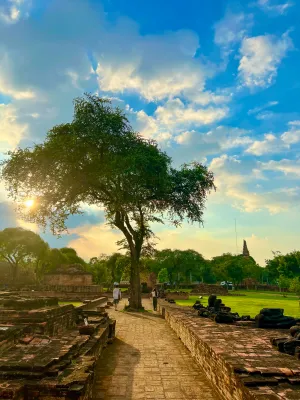
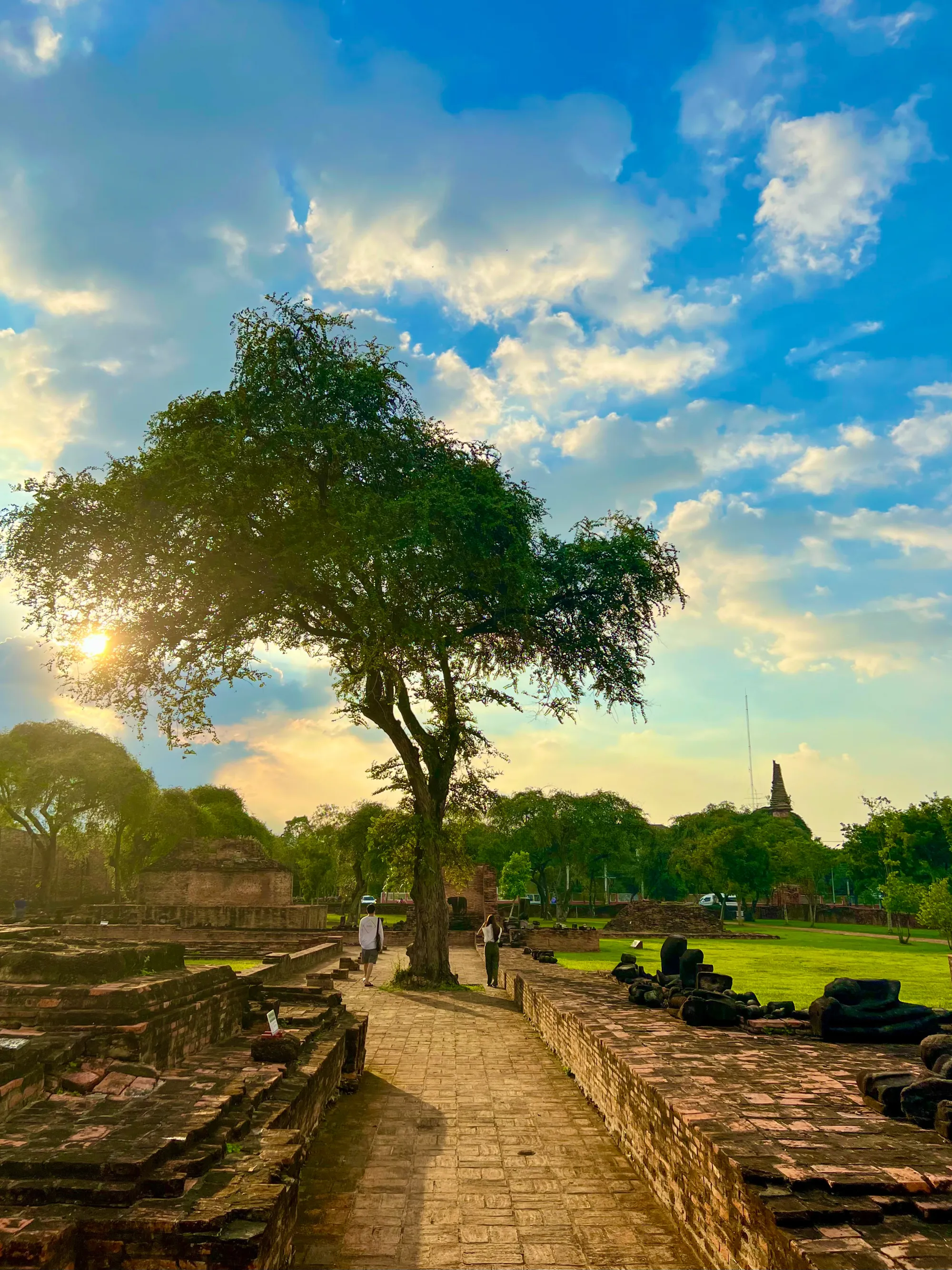
There are cracks. The canal tributaries on the Thonburi side, the boats don’t work them anymore, and Bangkok management hasn't reached them. Bang Rak has back lanes where the spectacle thins. The dérive is still possible.
Meanwhile, back in Manila
And then there's El Gato.
El Gato. The Virgin of Guadalupe form — the mandorla, the rays, the downward gaze — hijacked. Standing on a leopard skull. Painted feral in (very fetching) tequila bar in Makati Cinema Square (since they closed the cinema it’s called Makati Central Square).
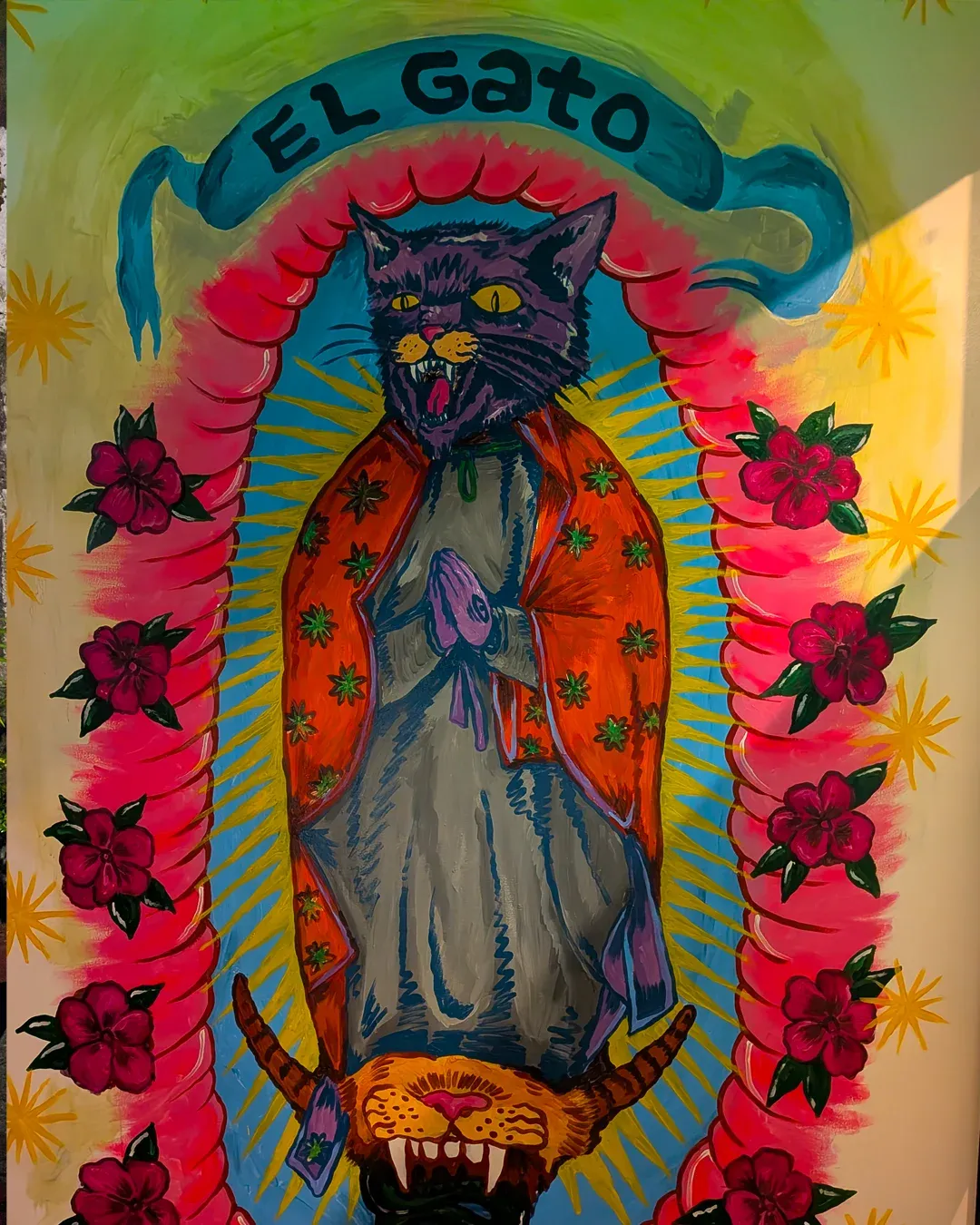
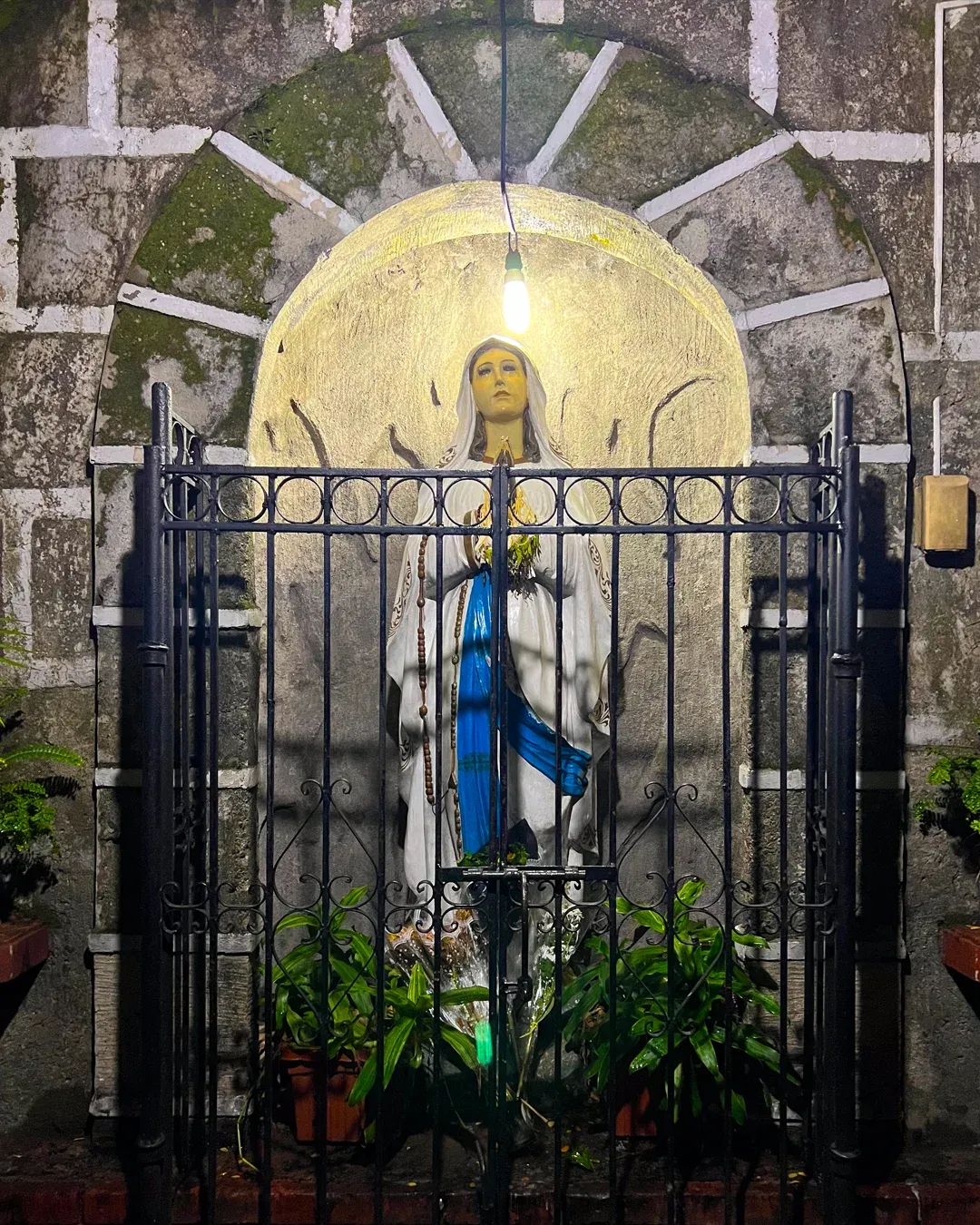
El Gato and the Original Mary - Makati Manila Denizens of NoteParthpartPpP
El Gato is one of a trio of bars including the Fat Cat, a whiskey bar cum speakeasy that offers a respectable selection of handsomely priced bourbon, jazz on the turntable, and a literal Fat Cat.
That was always the axis: Same animal. Two completely different relationships between a city and its own image.
History = tragedy
In February 1945, the United States Army and the Japanese Imperial garrison fought through Manila for a month, building by building, and what was left at the end was a city more thoroughly destroyed than anywhere in Allied territory except Warsaw.
The Japanese expecting certain death and with a deep cultural prohibition on surrender, brutally murdered the civilian population. No one really knows why Yamashita didn’t declare Manila and open city.
Conversely, the U.S. Army’s logic was something along the lines of needing to destroy the city to save it. Expertly covered in, James Scott’s book, Rampage: MacArthur, Yamashita, and the Battle of Manila. He notes that the battle took 1,000 American and 16,000 Japanese combatants, at least 100,000 unarmed Filipino civilians were killed. 1 in 10 Manilans died during the battle.
Intramuros — the walled colonial core, the institutional and architectural memory of three and a half centuries of Spanish rule — was effectively erased. Churches, archives, university libraries, the residential fabric of the old city, all of it went in the artillery duels and the house-to-house fighting. Manila was rebuilt with no money, no plan, and no time to mourn before the next political crisis arrived.
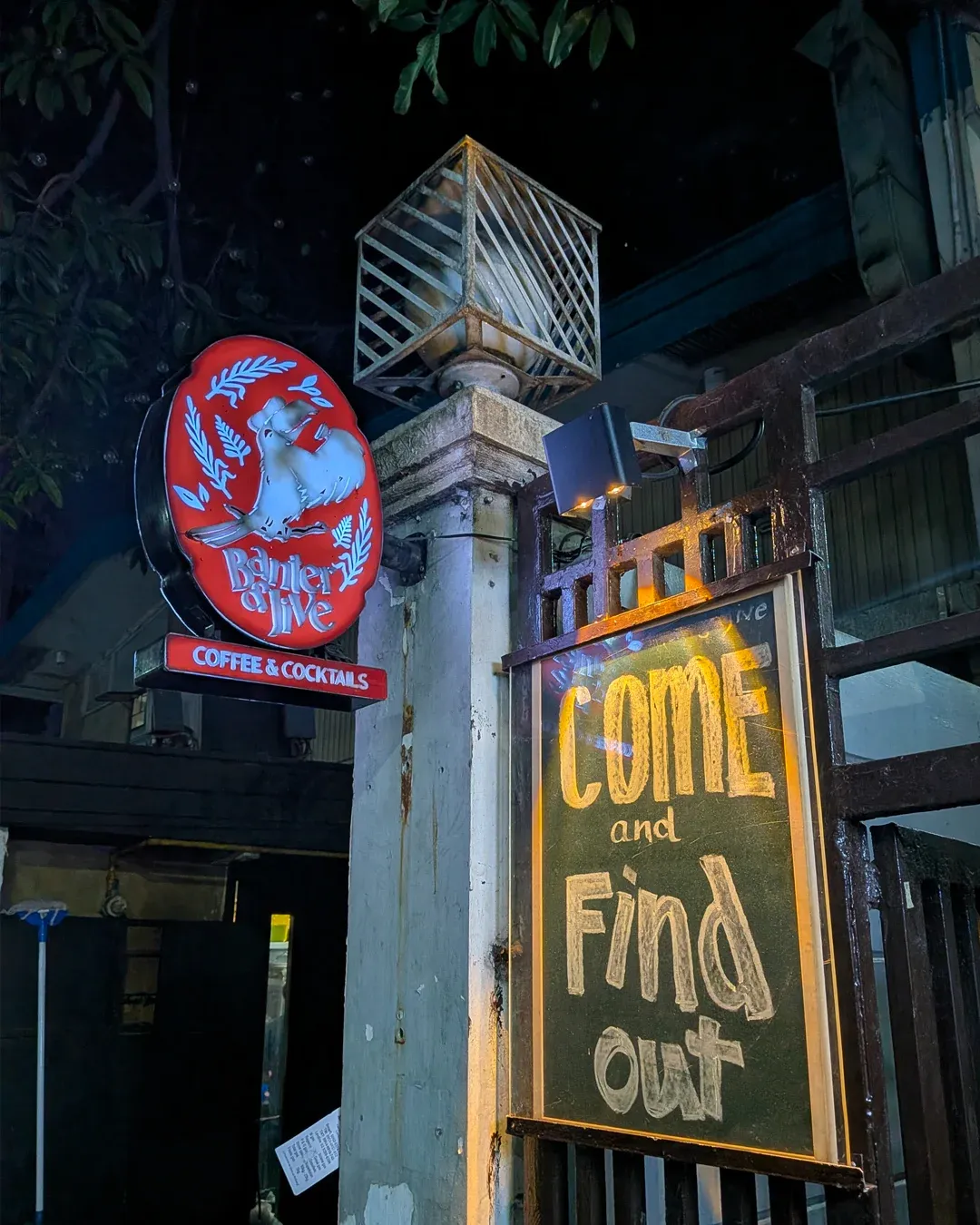
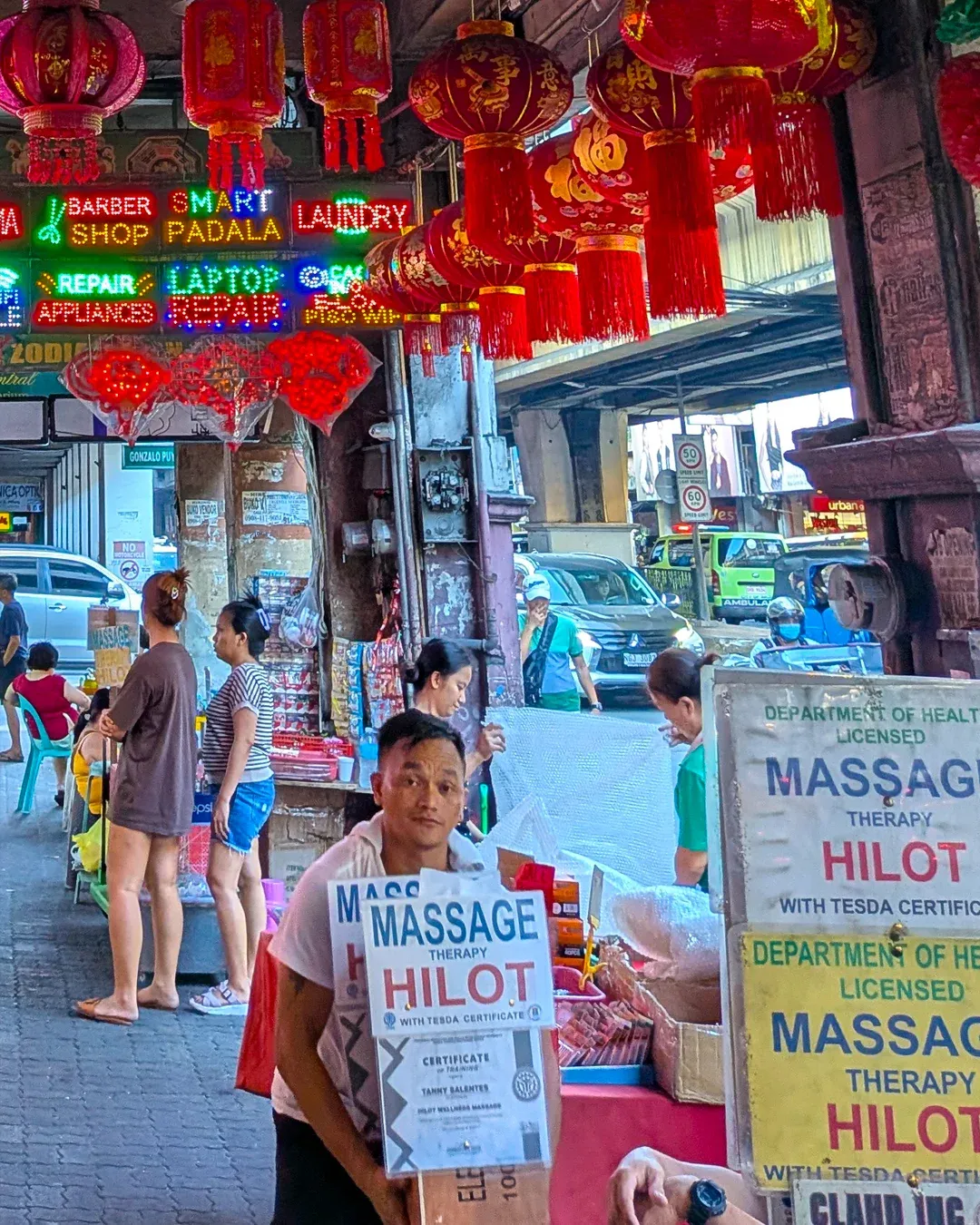
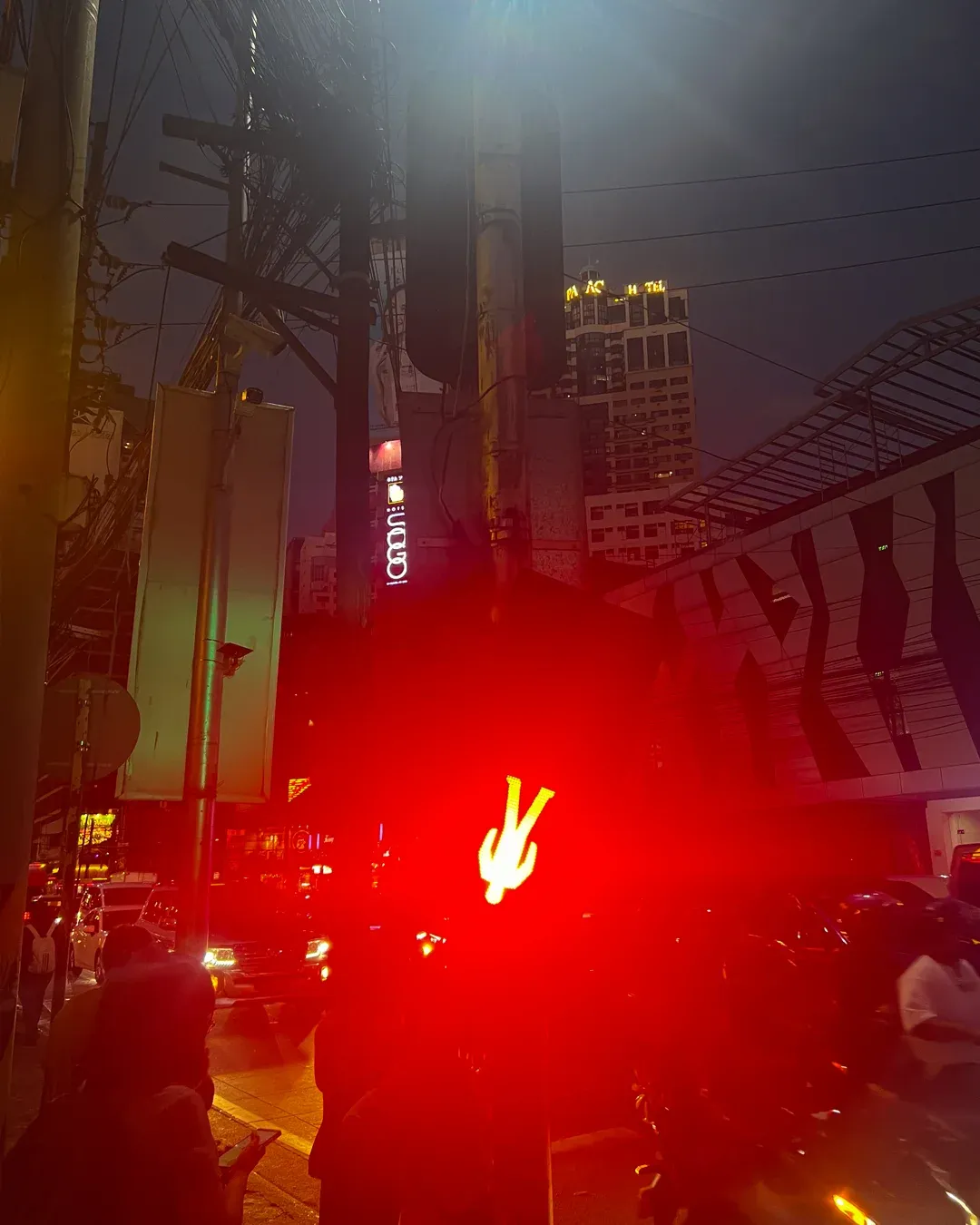
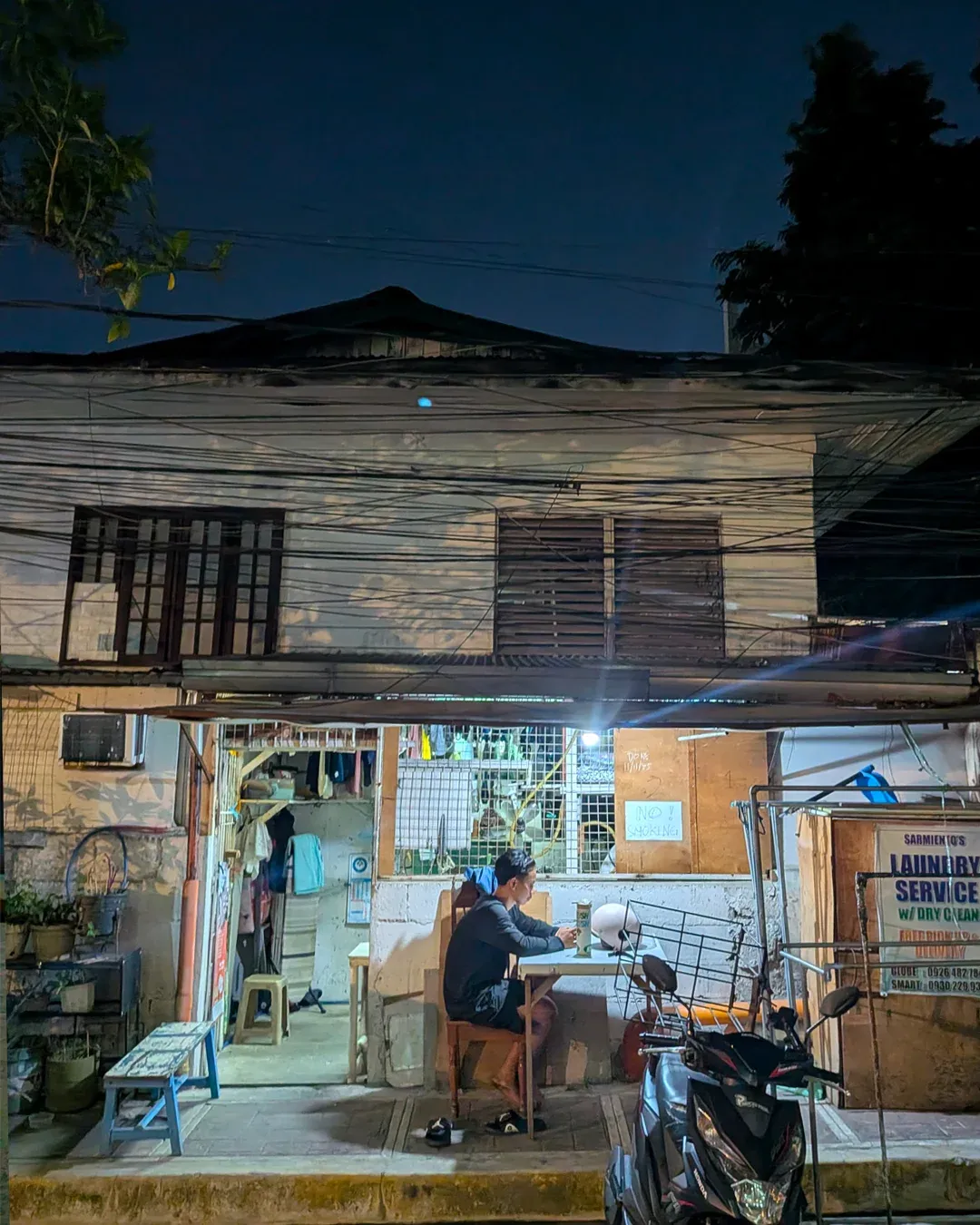
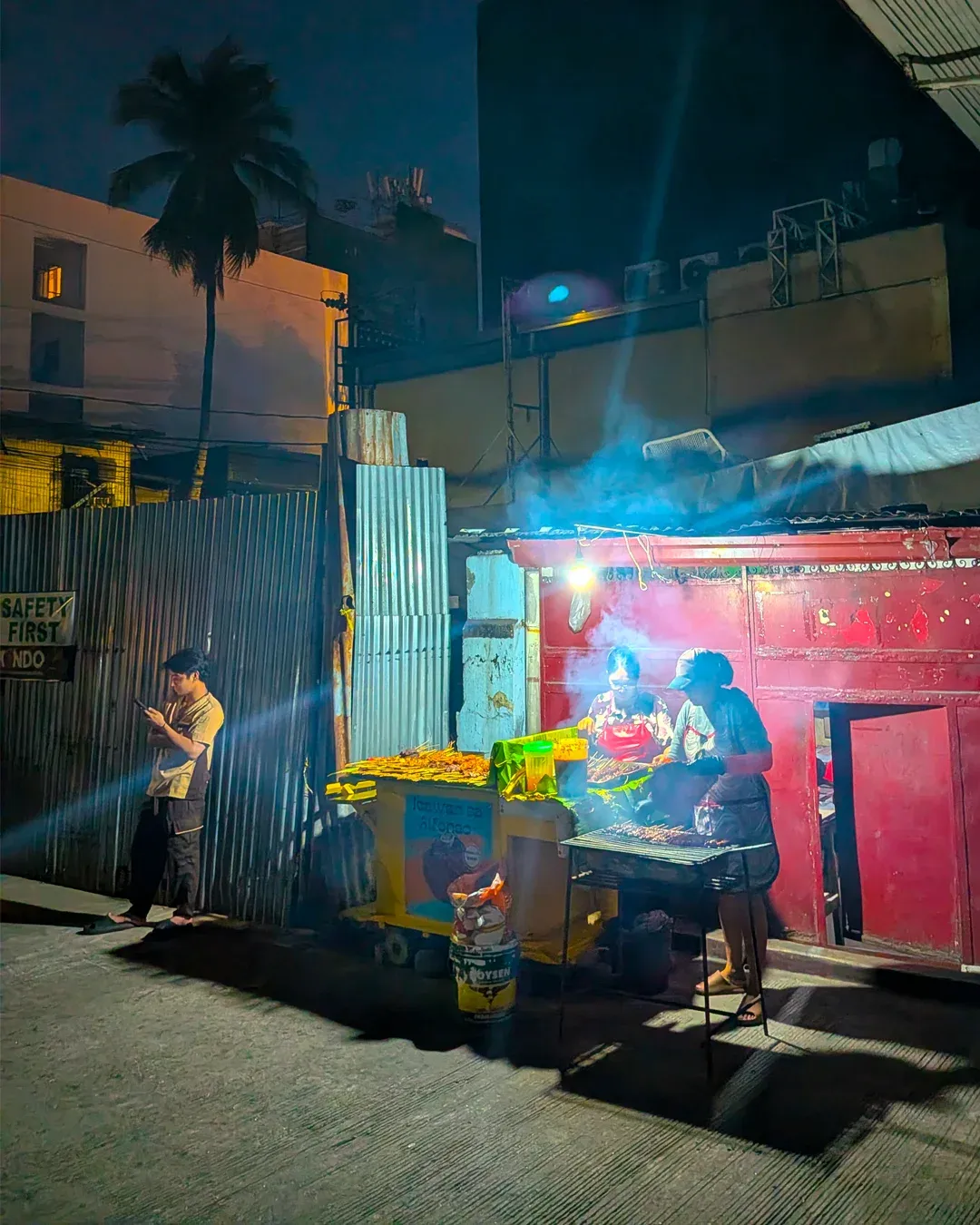
Mynila
Today, the city perseveres
Marcos, the EDSA revolutions, the OFW economy, the rise of BGC out of a former military base, the layering of one developer's vision on top of another developer's vision.
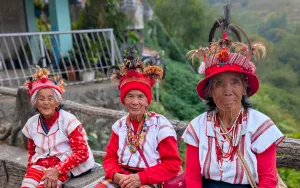
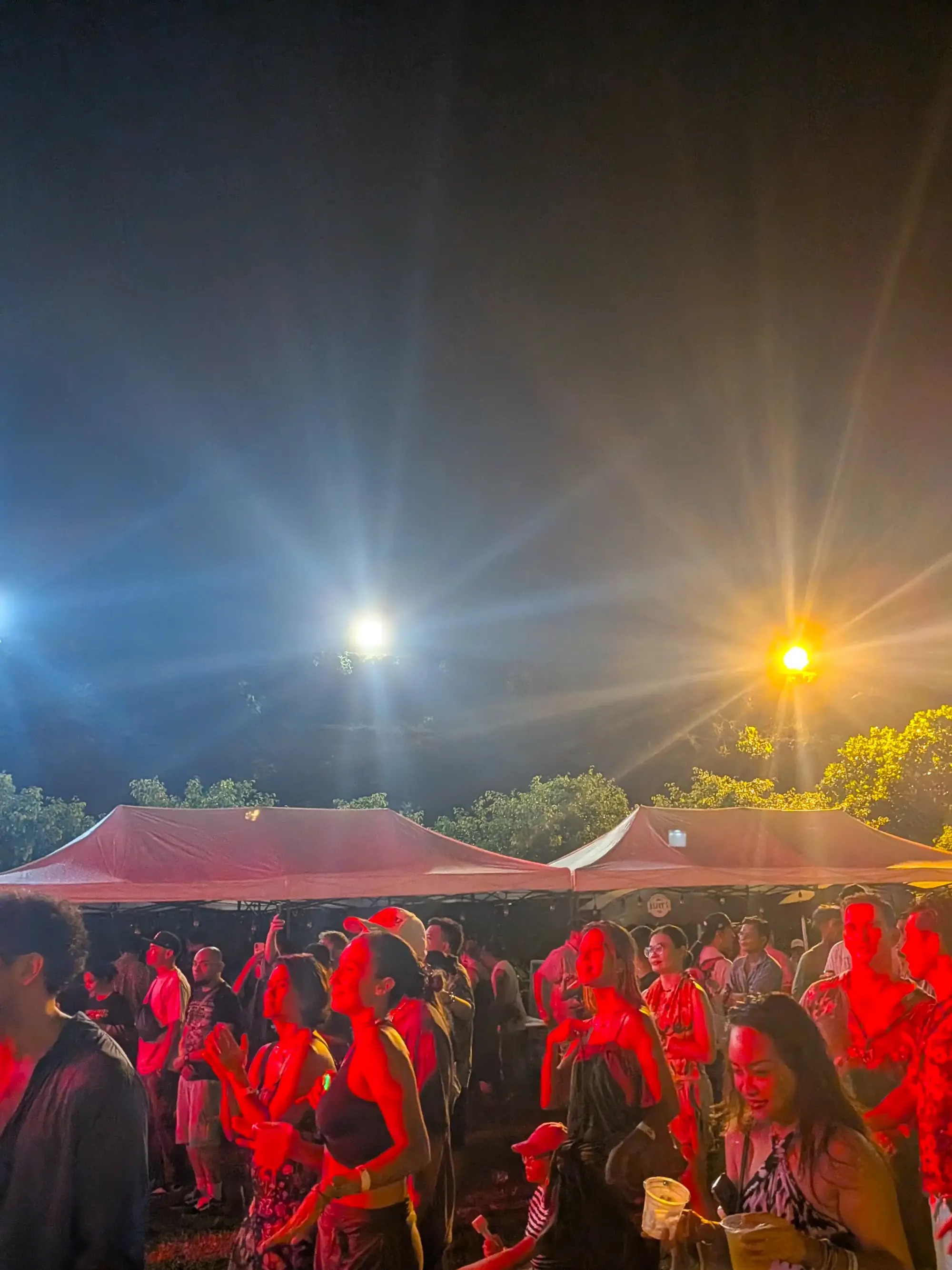
Manila runs on competing nighborhood logics. Poblacion bleeds into Rockwell. Binondo runs on rules nobody wrote down — the oldest Chinatown in the world, four and a half centuries of commercial muscle memory, no signage, no map. Quiapo is its own republic. The BGC towers appear behind a fance at the end of a barangay lane. Isaw smoke reflected by glass facade.
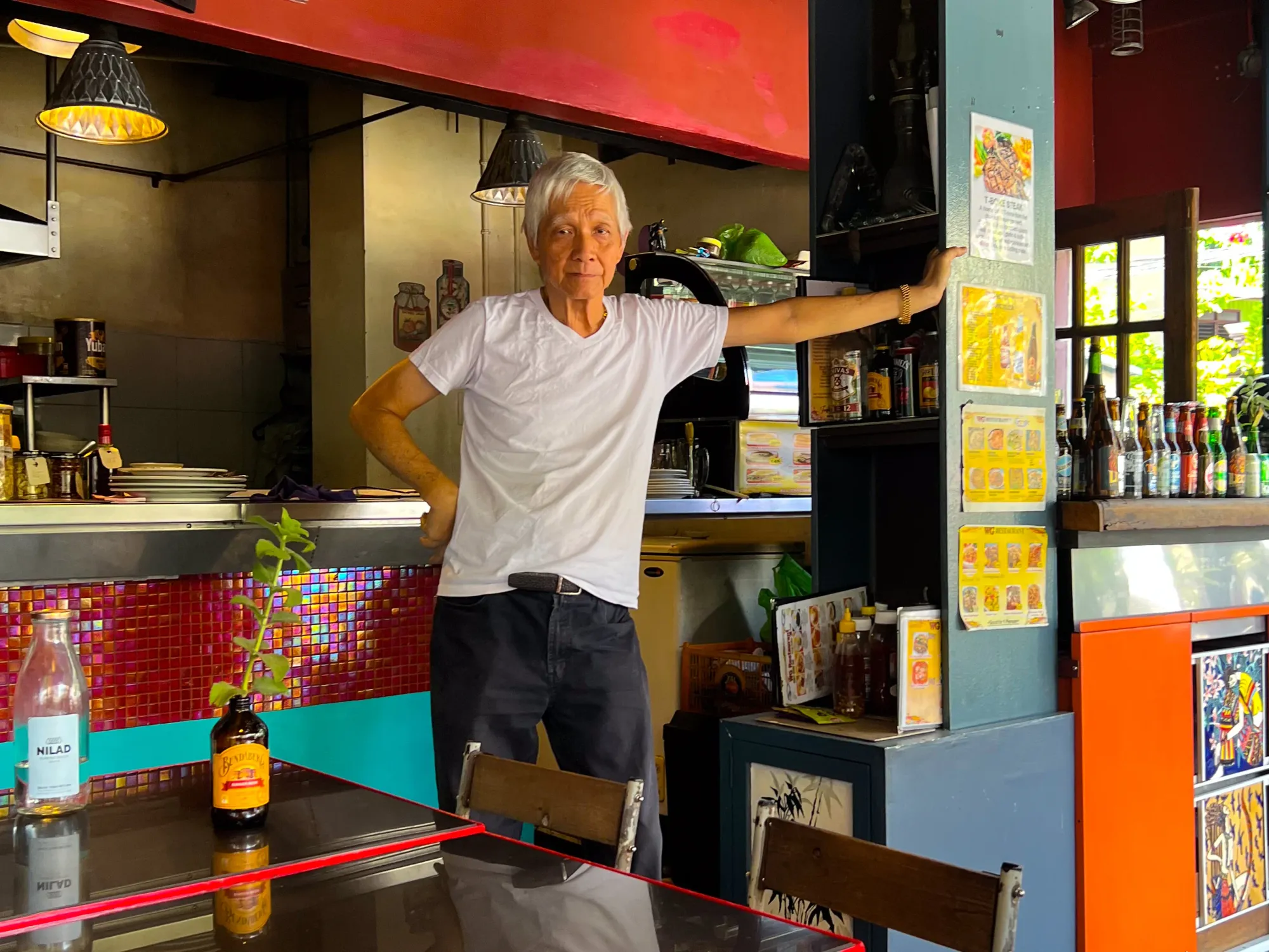
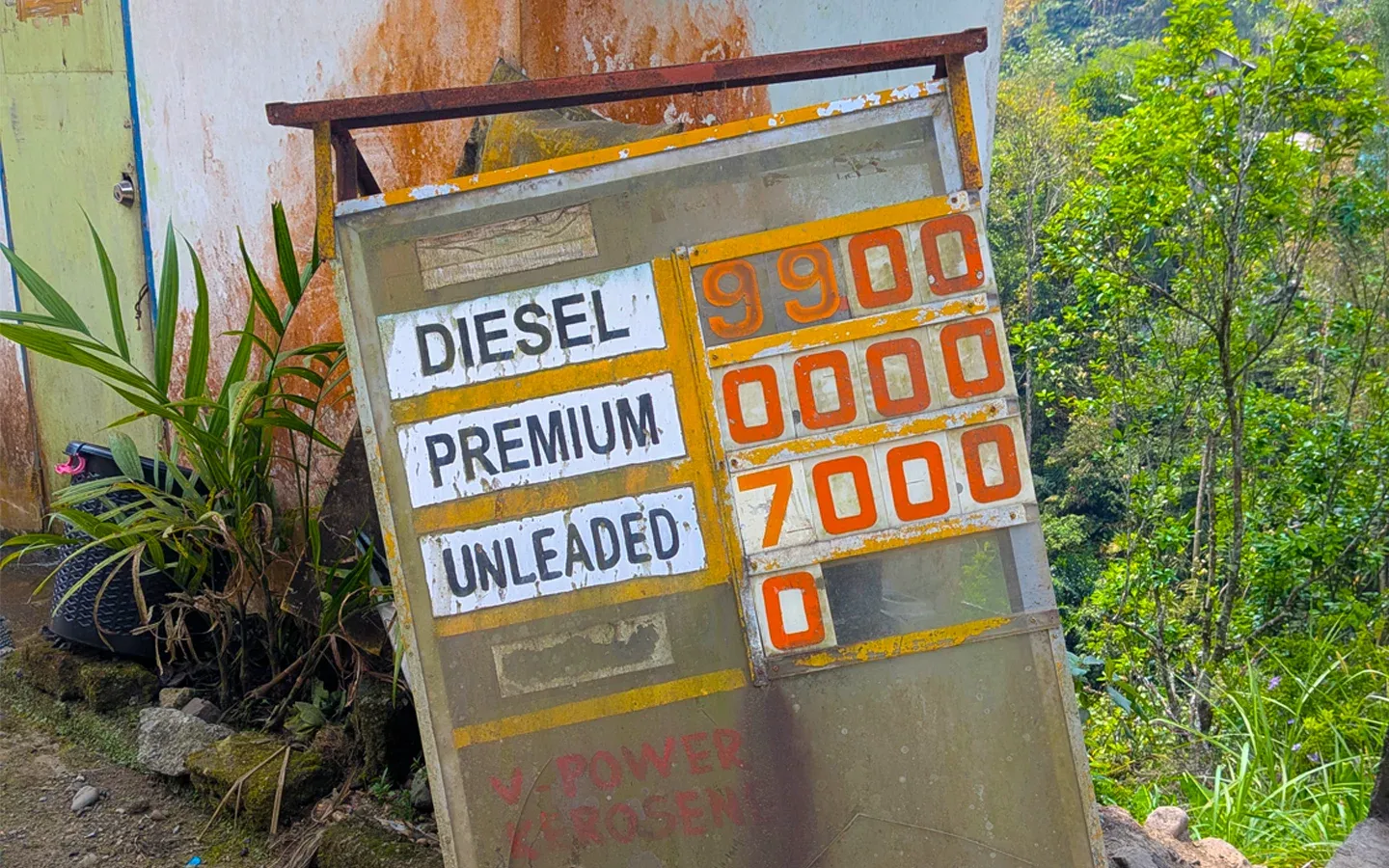
Manila's air is also bad. Manila’s air does not have a cocktail named after it. Bad air remains bad air. It hangs over the jeepneys and the construction dust and the burning trash on the side of the C-5.
The dérive in Manila is one way to navigate a city that no consensual self-awareness. There is no managed surface to drift against, because there is no managed surface.
Manila & Bangkok
Each city teaches a different kind of attention.
Bangkok teaches you to notice the seams in a managed surface — the places where the curation slips, where the institutional grip gets tired, where the older city shows through the frame.
Manila teaches you to find pattern in incoherence. That's a different skill, and a harder one.
Bangkok rewards patience and a good walking pace. Manila rewards a tolerance for not knowing the rules and a willingness to be wrong.