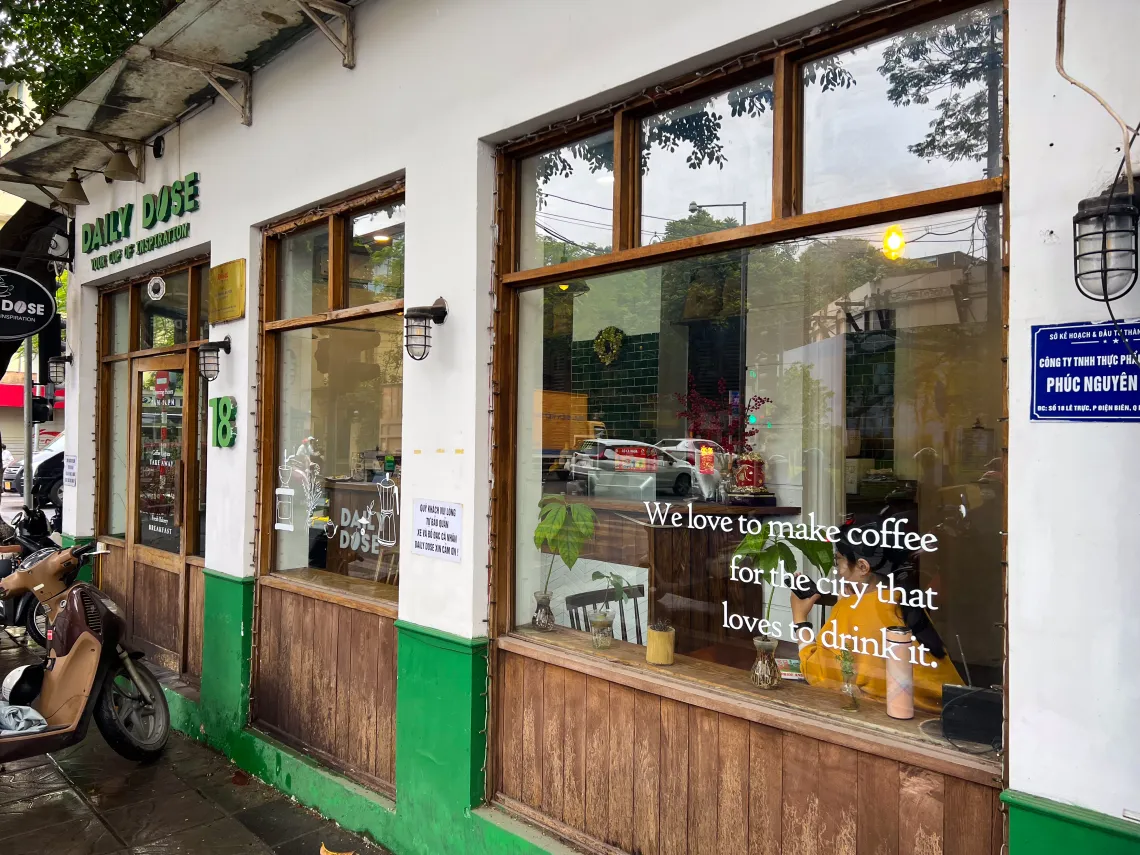
Coffee & Ha Noi: a Colonial Inheritance
The phin filter is a small metal doodad. You compress ground coffee into the chamber, pour hot water, and wait. The water drips: twenty, thirty seconds per cup.
Meanwhile, you sit on a plastic stool the size of a child's chair, watching the street.
This is not how coffee was served in 1850, when the French planted the first Arabica trees in the Tonkinese highlands. Coffee was supposed to be a cash crop, a source of colonial wealth, something to ship back to Marseille and Lyon. The Vietnamese were expected to grow it, not drink it.
By 1940, milk was scarce in Hanoi. Someone whipped an egg yolk with sugar and condensed milk into a foam. They poured strong coffee over it.
The phin filter arrived later, it became the vessel for a national taste that had evolved: Vietnamese coffee, using Vietnamese-grown Robusta beans instead of imported Arabica, sweetened with condensed milk.
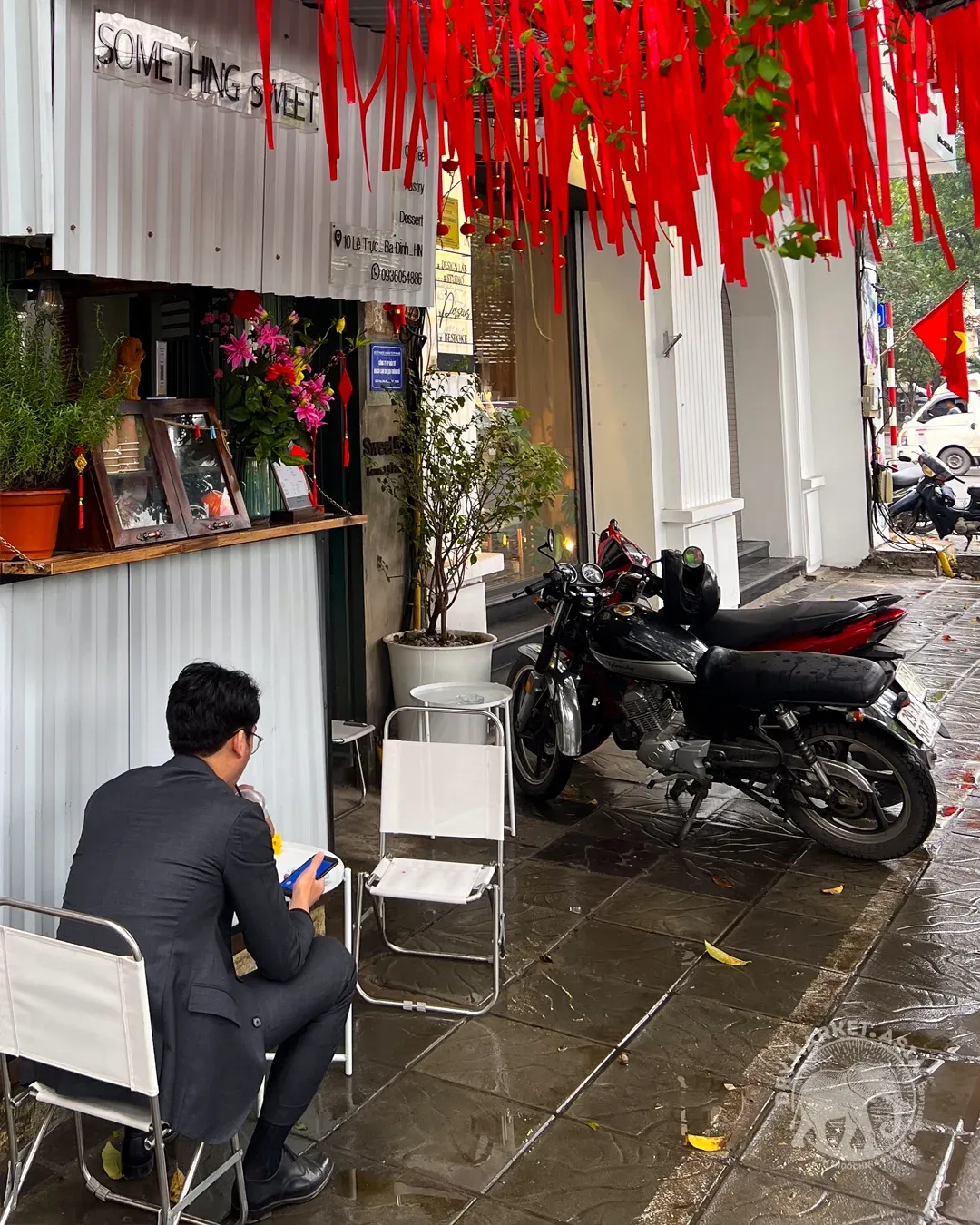
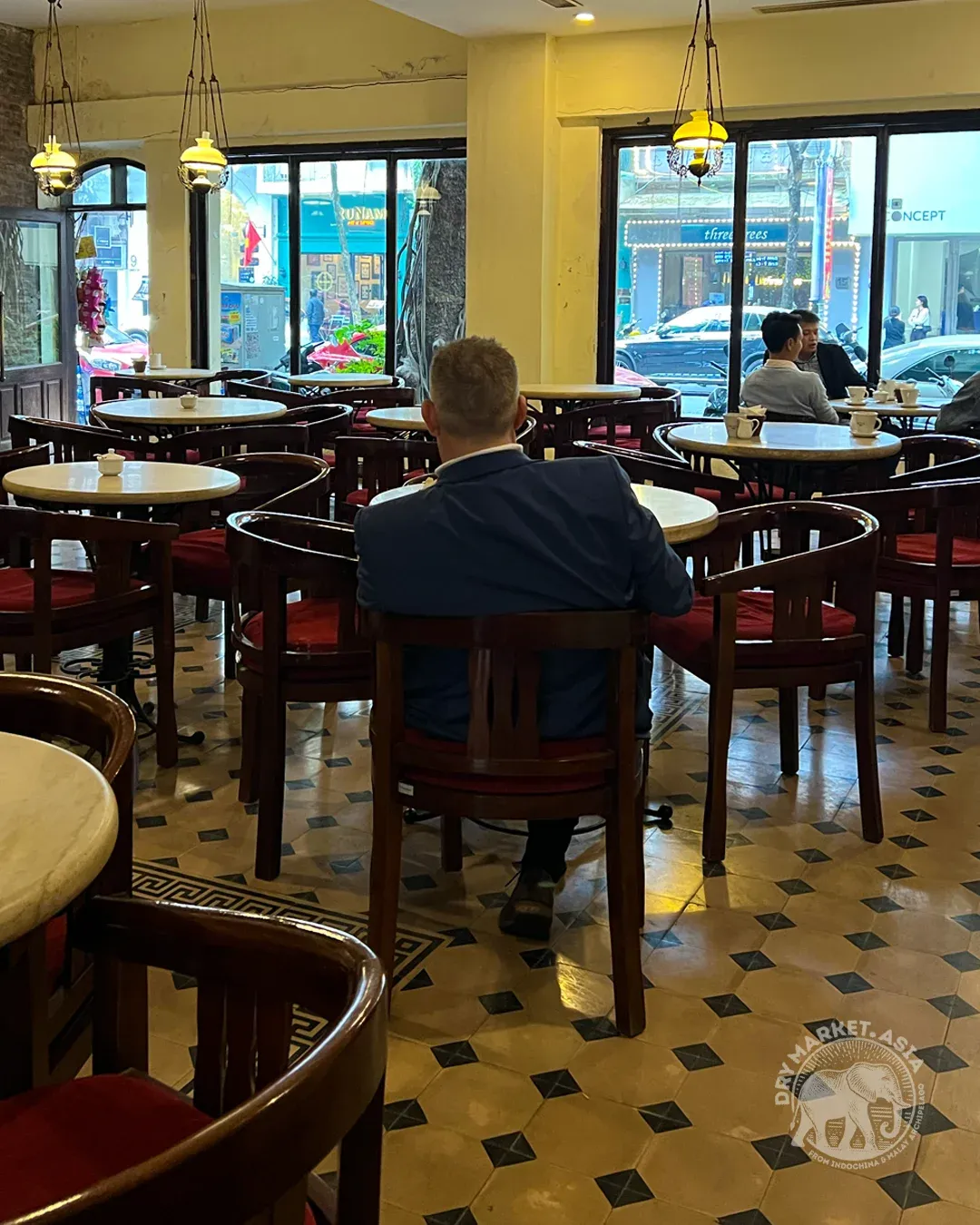
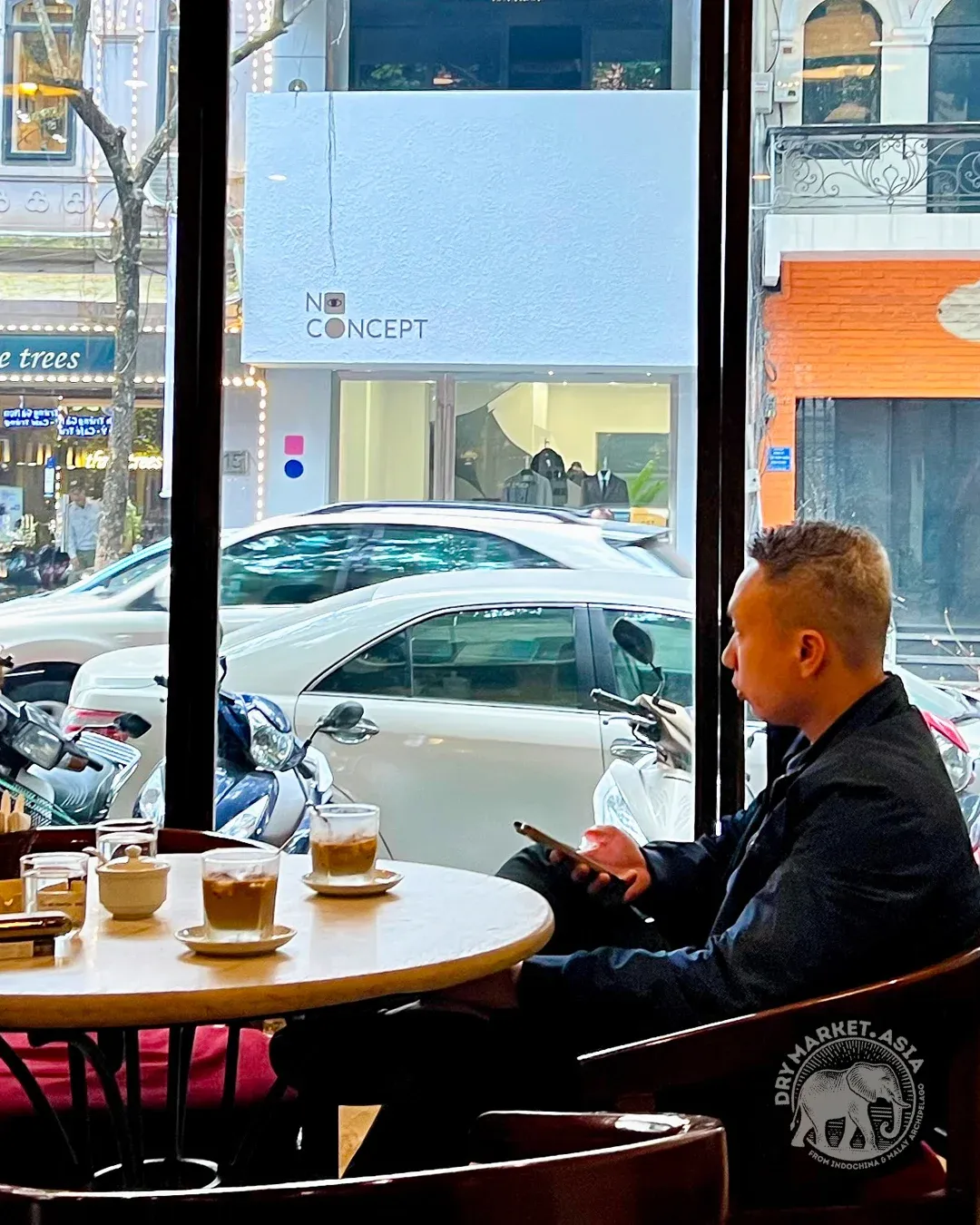
Good People of Ha Noi, Having Coffee
A Different Bean
This is the coffee you encounter if you arrive in Hanoi on any morning and choose a plastic stool on the pavement.
Vietnam is the world's second-largest coffee producer. Vietnamese coffee typically uses robusta beans. The Robusta bean is not the world's favorite. It is stronger, more bitter, and less nuanced than Arabica.
The French built the plantations and established Robusta as the default bean. Robusta has a bad reputation in the global specialty coffee world—it is often relegated to instant coffee, to budget blends, to the commodity bottom.
The Current Moment: A City with Multiple Truths
In Hanoi, coffee is woven into the cultural fabric. A wave of coffee culture has found a natural home among Hanoians, who appreciate both tradition and refinement in their daily rituals.
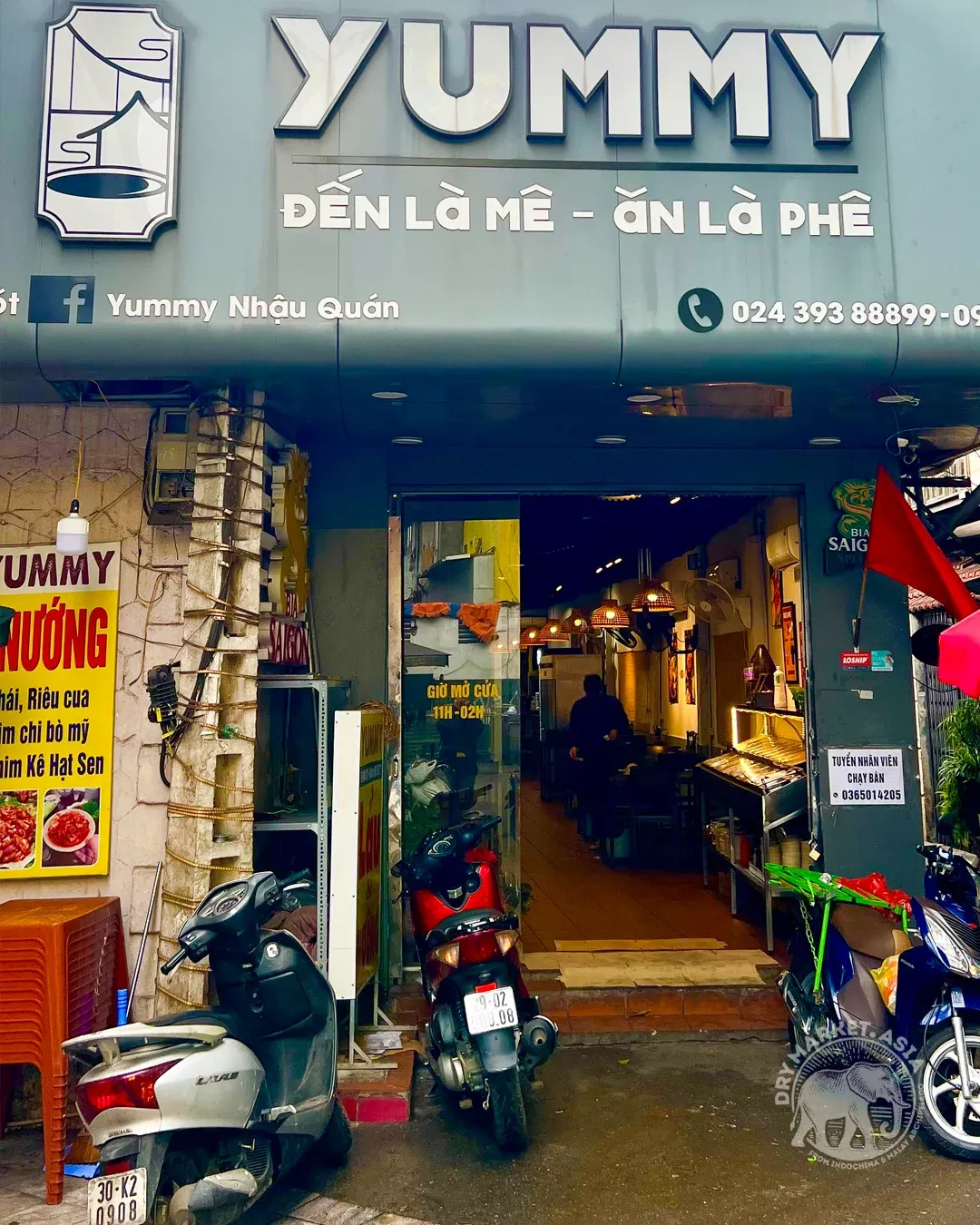
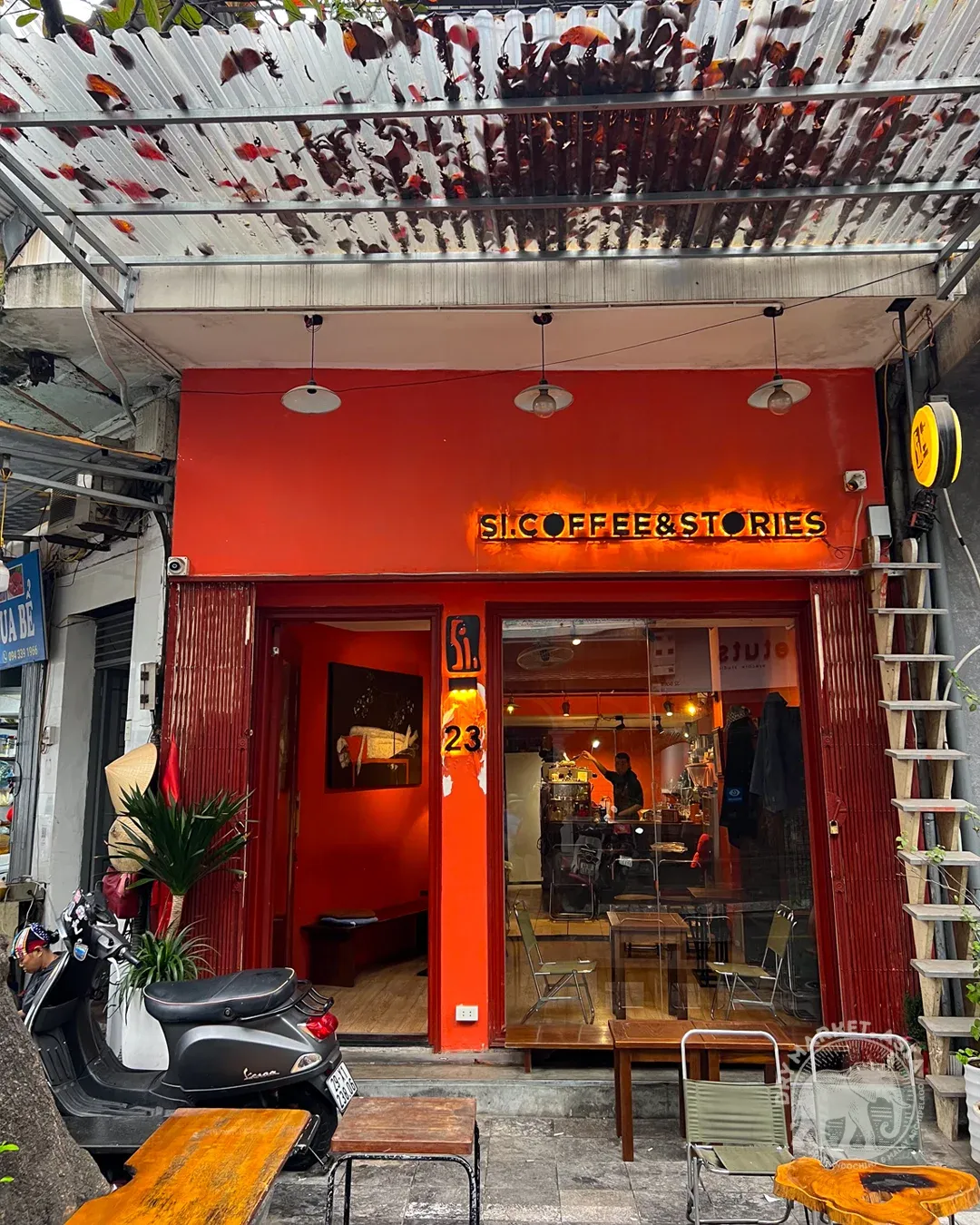
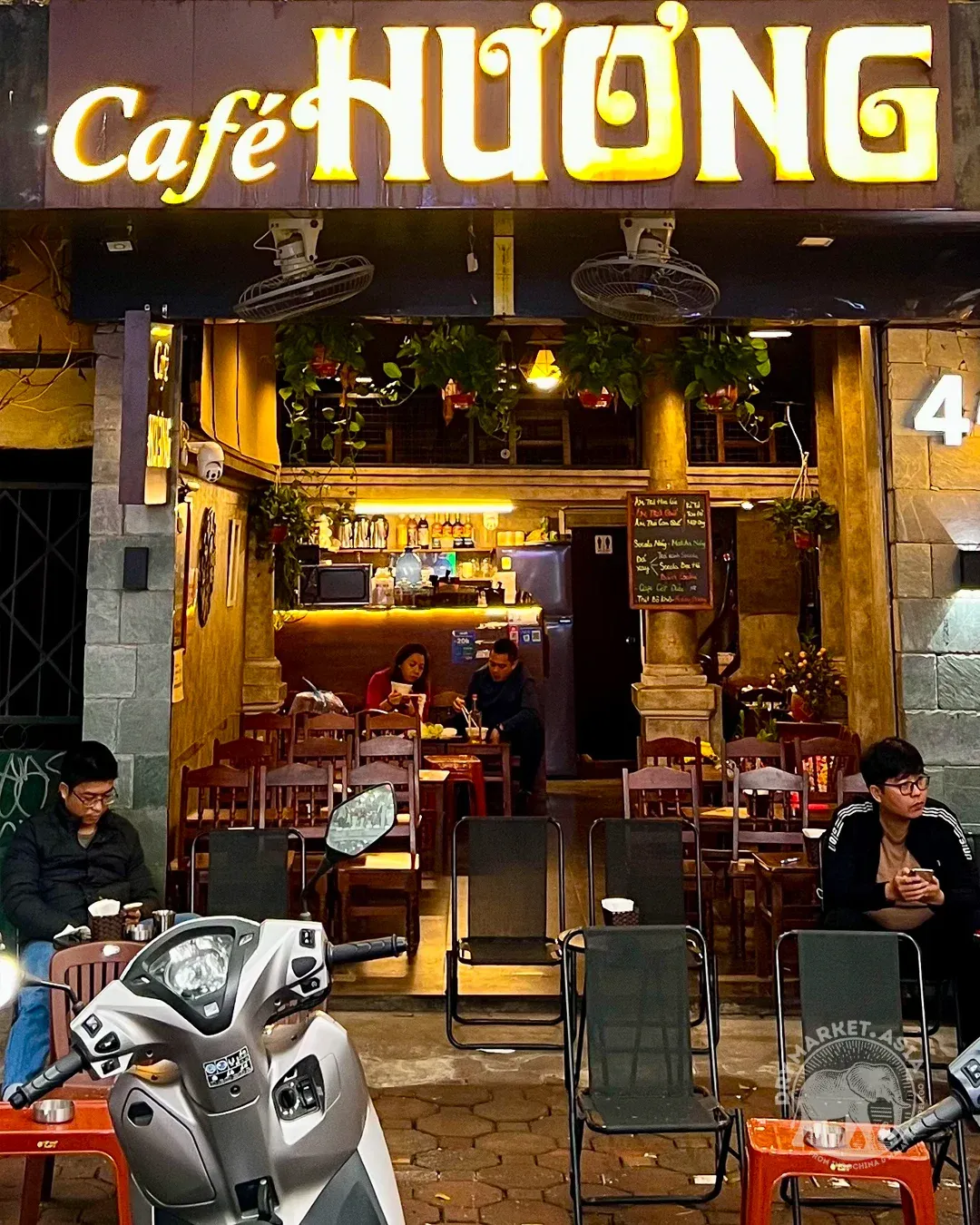
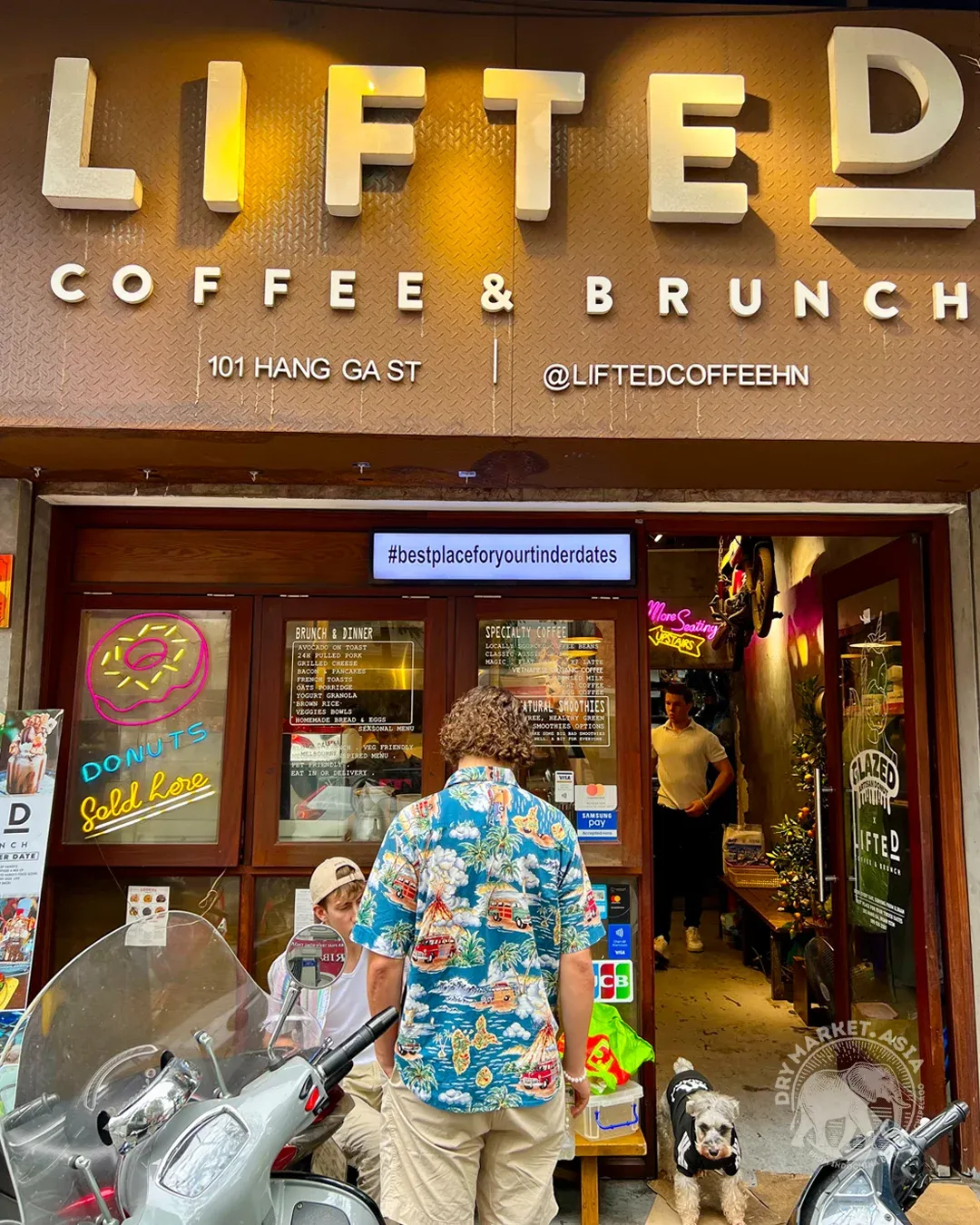
Ha Noi Café Culture
When you walk Hanoi, coffee all but hits you in the face. Cafés are everywhere.
These third-wave coffee shops are cropping up across this vibrant city. Homegrown baristas offer pour-overs, roast single-origin beans from the country's highlands, and sell specialty blends from across the world.
Nevertheless, tradition abides (Dude-like).
If you sit long enough in Hanoi's oldest quarters—around Train Street, through the 36 alleys of the Old Quarter, you will find this coffee unchanged. Little plastic stools. Metal cups.
--