The Gold Beneath the Terraces
Hapao, Hungduan, Ifugao — March 27
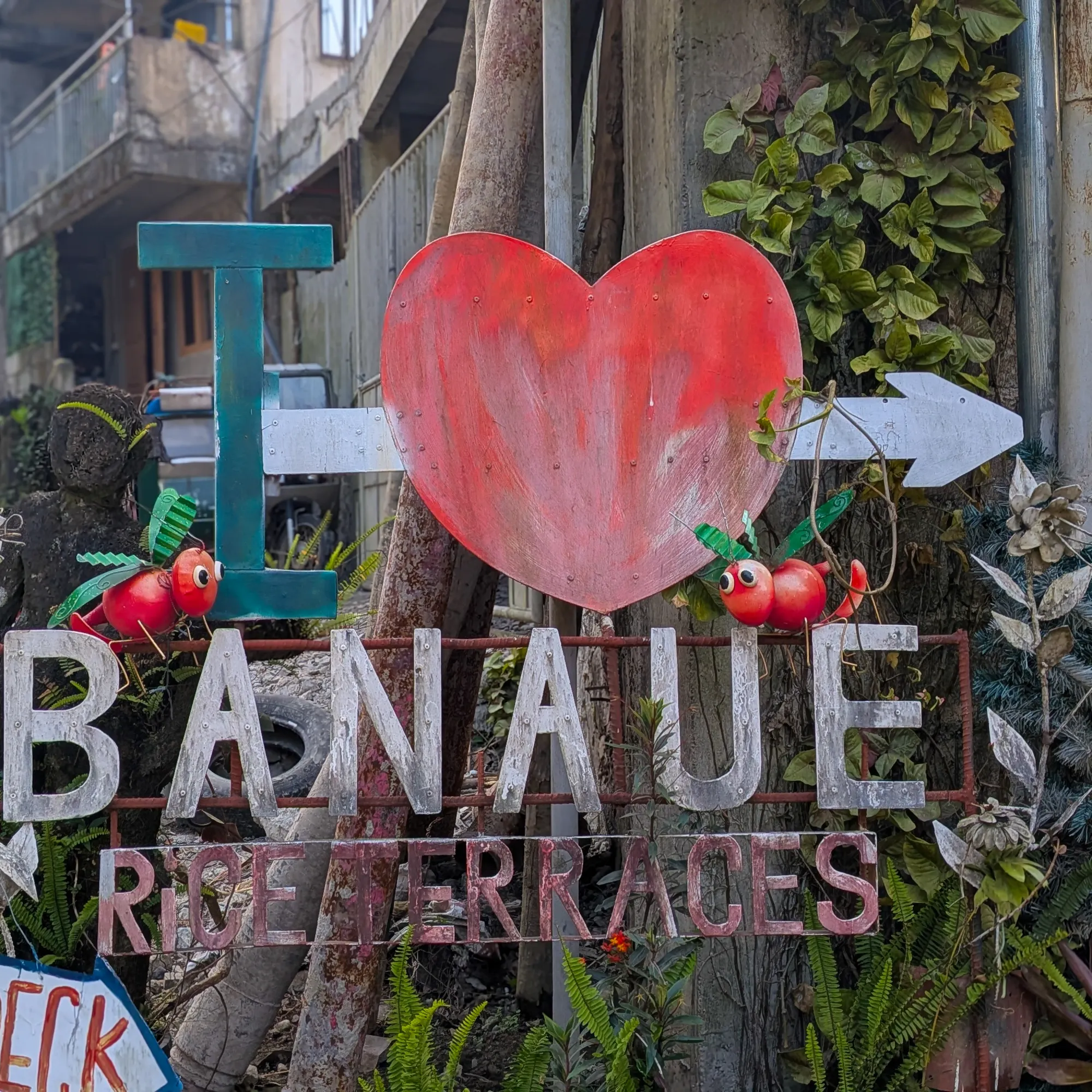
The road from Banaue drops into Hungduan through a series of switchbacks that suggest the mountain is reluctant to let you in. Jody had let me into 7th Heaven a few hours earlier and reviewed my hiking options in his capacity as local guide. He dispatched his cousin who calls “brother” in consanguineal fashion.
We went to Hapao.
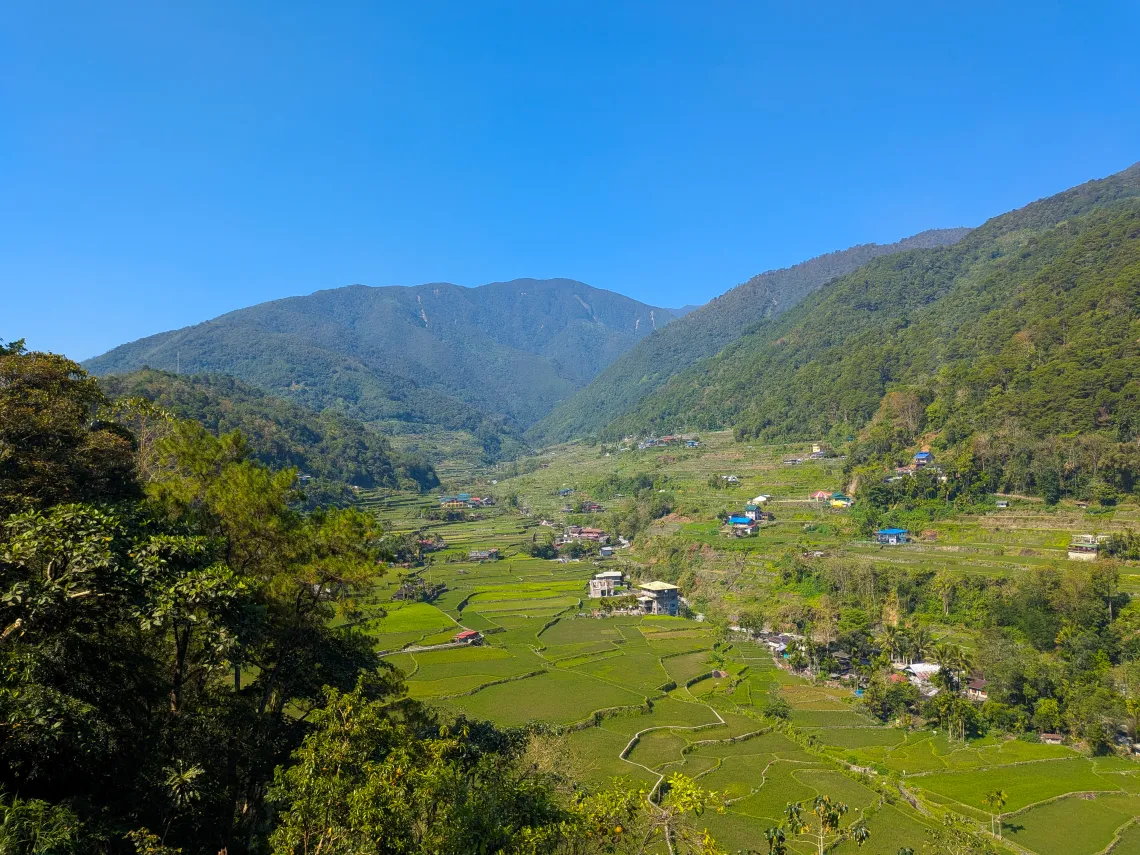
The terraces at Hapao and Hungduan are the quieter end of the UNESCO corridor. Banaue draws the cameras; Batad draws the hikers who want to say they descended to the amphitheater. Hapao draws almost no one, which is an argument for going. The water sits still in the paddies at this hour.
The walls — stone and packed earth, built without mortar, rebuilt and rebuilt across generations — hold the terraces above the valley floor the way a hand holds something carefully but without tension.
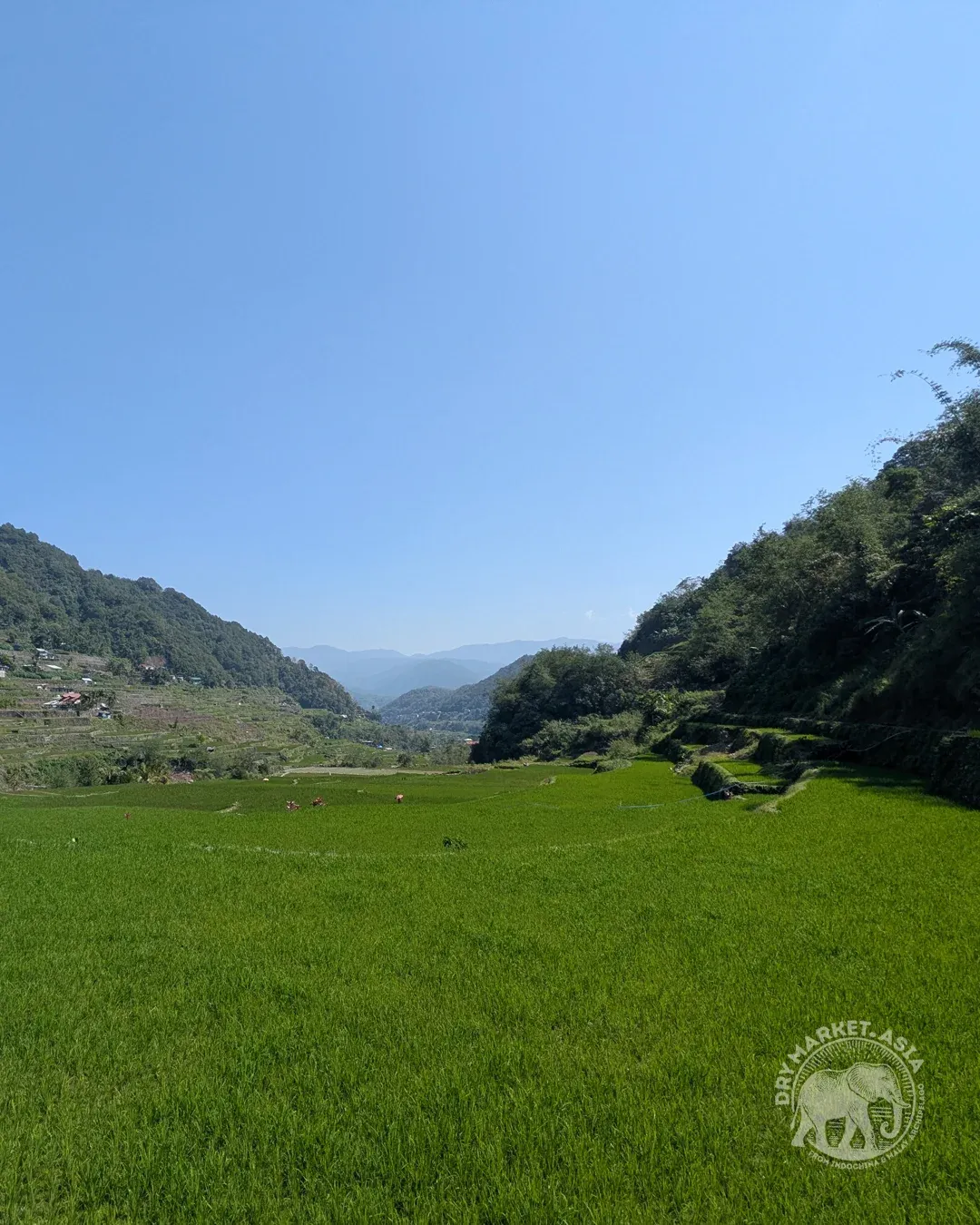
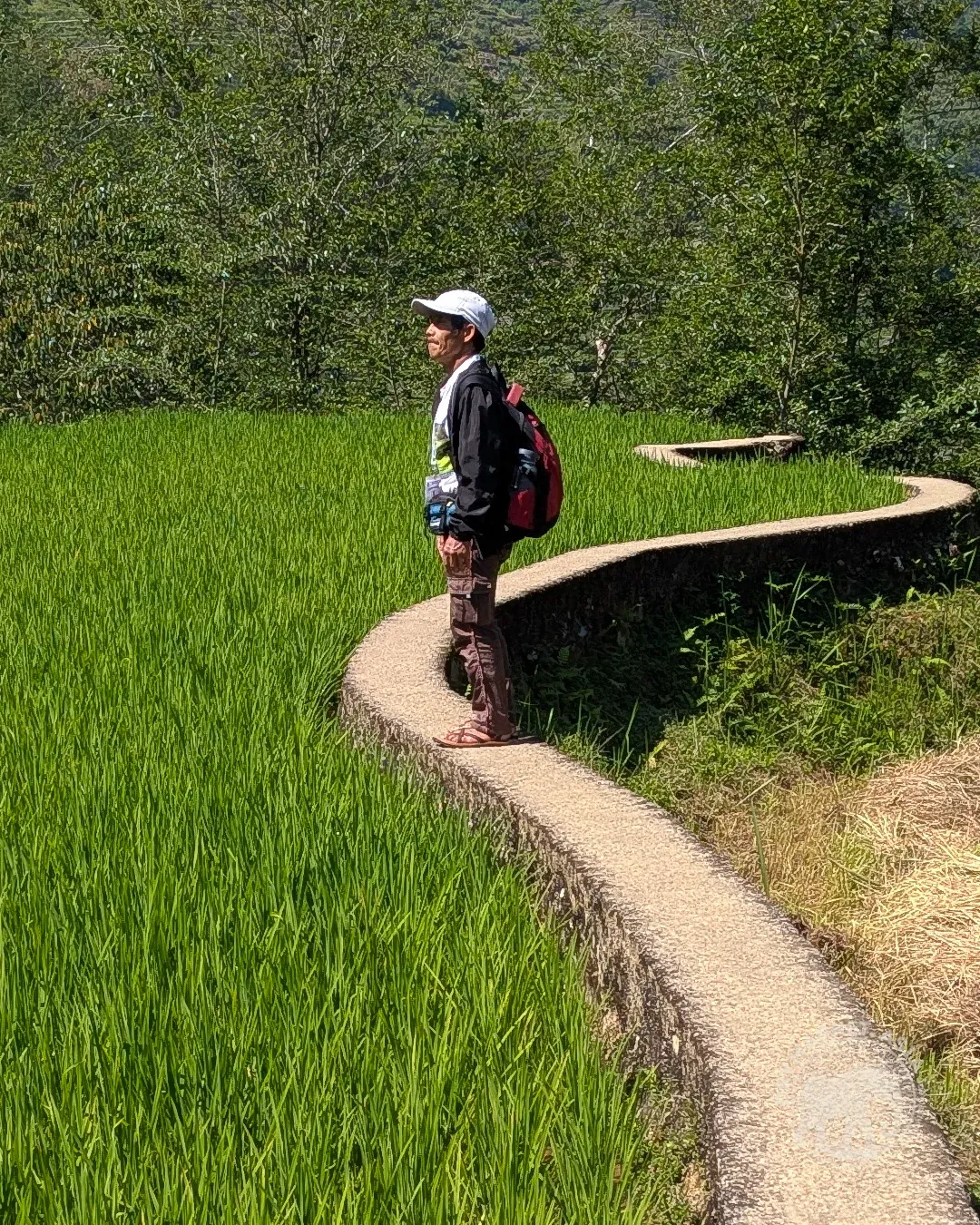
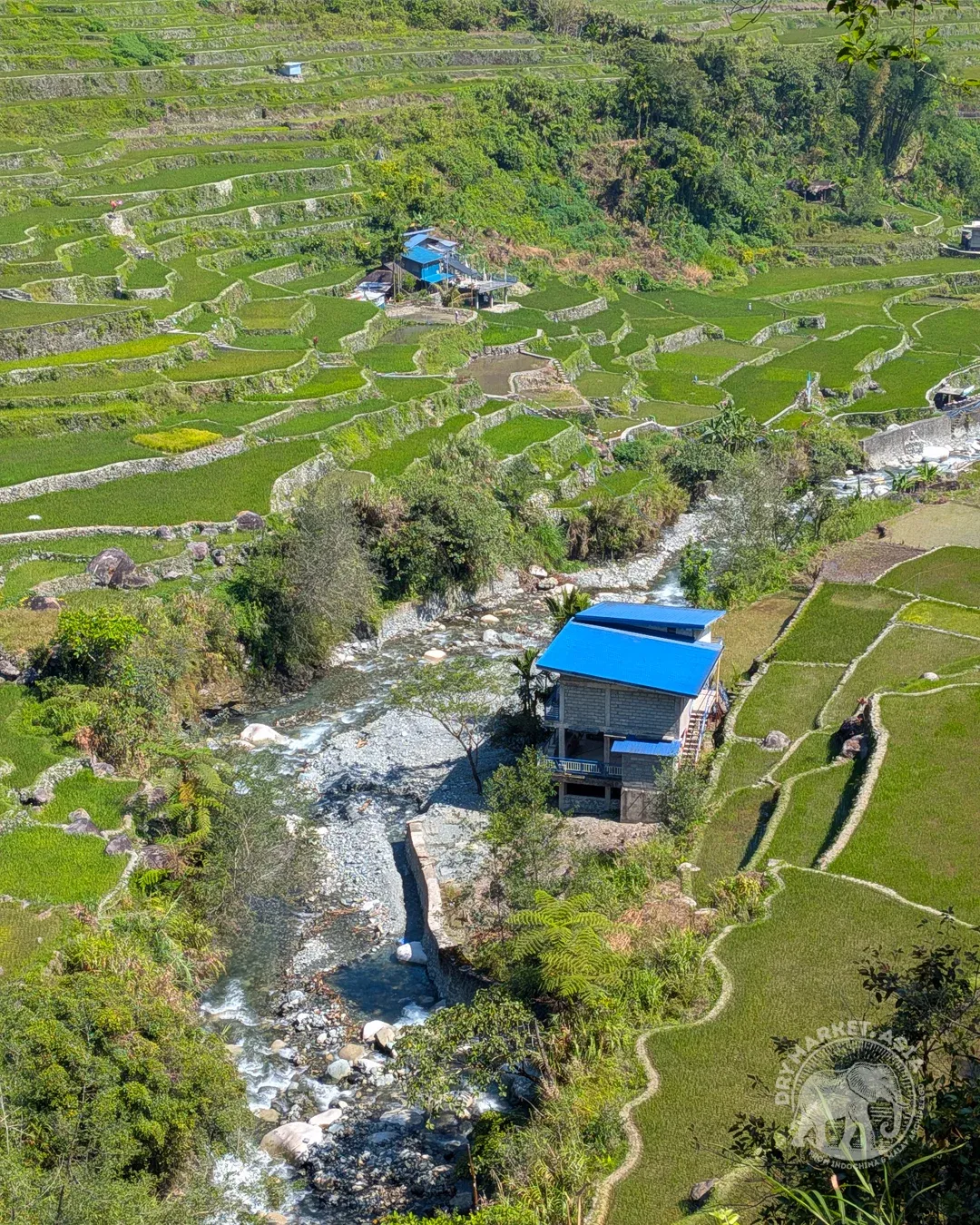
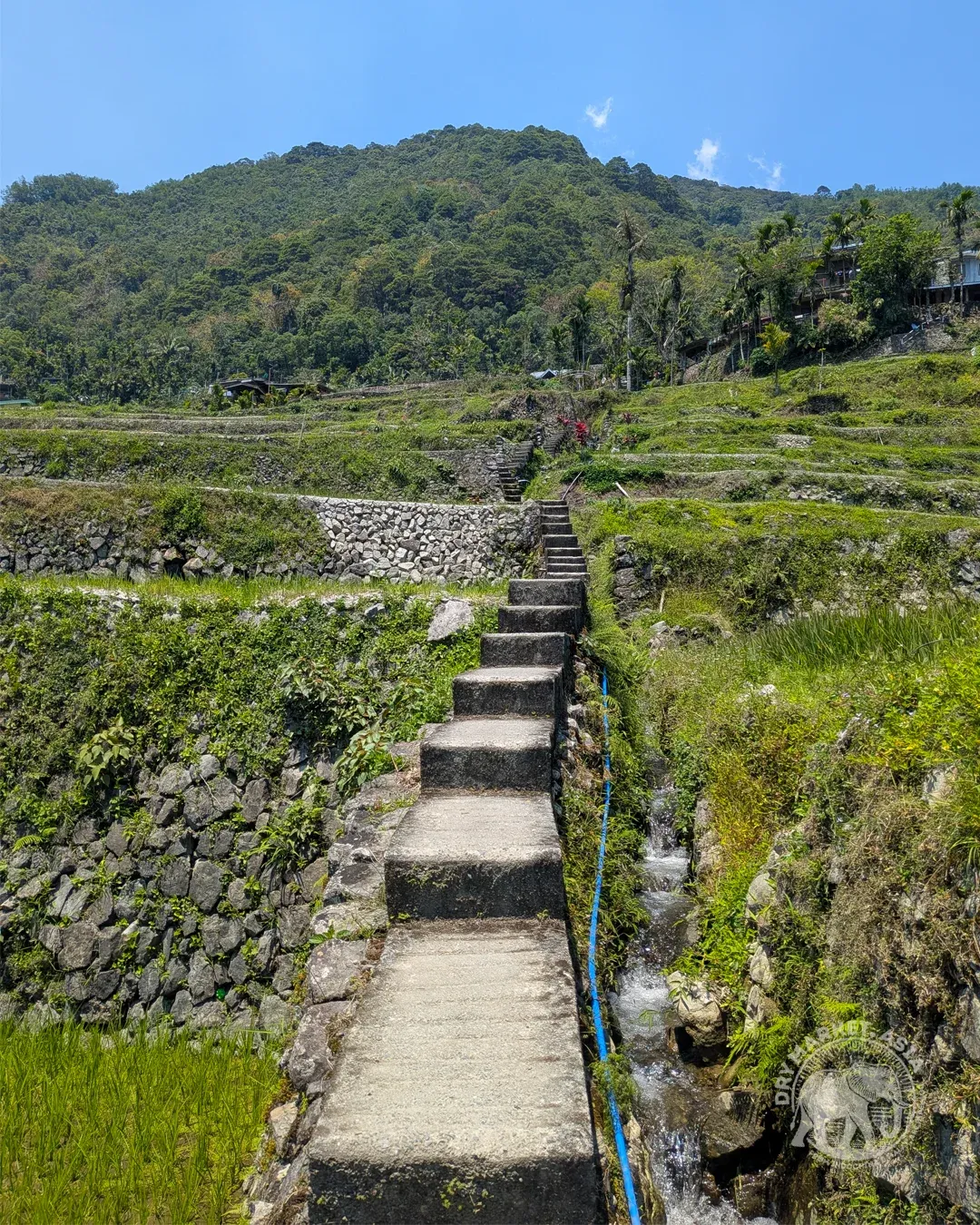
The very verdant Hapao Terraces.
My guide talked as we walked, the easy talk of someone on familiar ground. At some point he told me about an American.
The man had arrived in the area with maps. He spent time surveying the land above the terraces, the kind of surveying that requires equipment and patience and a reason you don't explain to everyone. He built a house. A big house, by local standards. He stayed long enough for the house to become a part of the landscape of the valley.
Then he left. Suddenly, in the way that people leave when the leaving is not the plan but the consequence. He deeded the house away — cleanly, no negotiation, no sale — and was gone.
Legend
The gold has a name and a general. General Tomoyuki Yamashita — the Tiger of Malaya, last Japanese military governor of the Philippines — commanded the defense of the islands through 1944 and into 1945 as American and Filipino forces closed in from the south and the coast.
His forces, retreating into the mountains of northern Luzon, are said to have brought with them the accumulated loot of Japan's Greater East Asia Co-Prosperity Sphere: gold bullion, silver, jewels, artifacts, the contents of banks and temples from twelve occupied nations, shipped first to Singapore and then to the Philippines when Japan still expected to hold the archipelago.
The operation had a name: Golden Lily, ordered by Emperor Hirohito's brother, Prince Chichibu. The plan was to cache the treasure in the Philippine mountains until the war was over, then recover it for reconstruction. The war did not end the way the plan assumed.
Yamashita was captured in Hungduan, Ifugao — the valley I was standing in — and surrendered formally on September 2, 1945. He was tried for war crimes and hanged in Los Baños the following year. He took whatever he knew with him.
The treasure, if it exists, was never recovered — not verifiably. Ferdinand Marcos spent decades and the resources of a dictatorship looking.
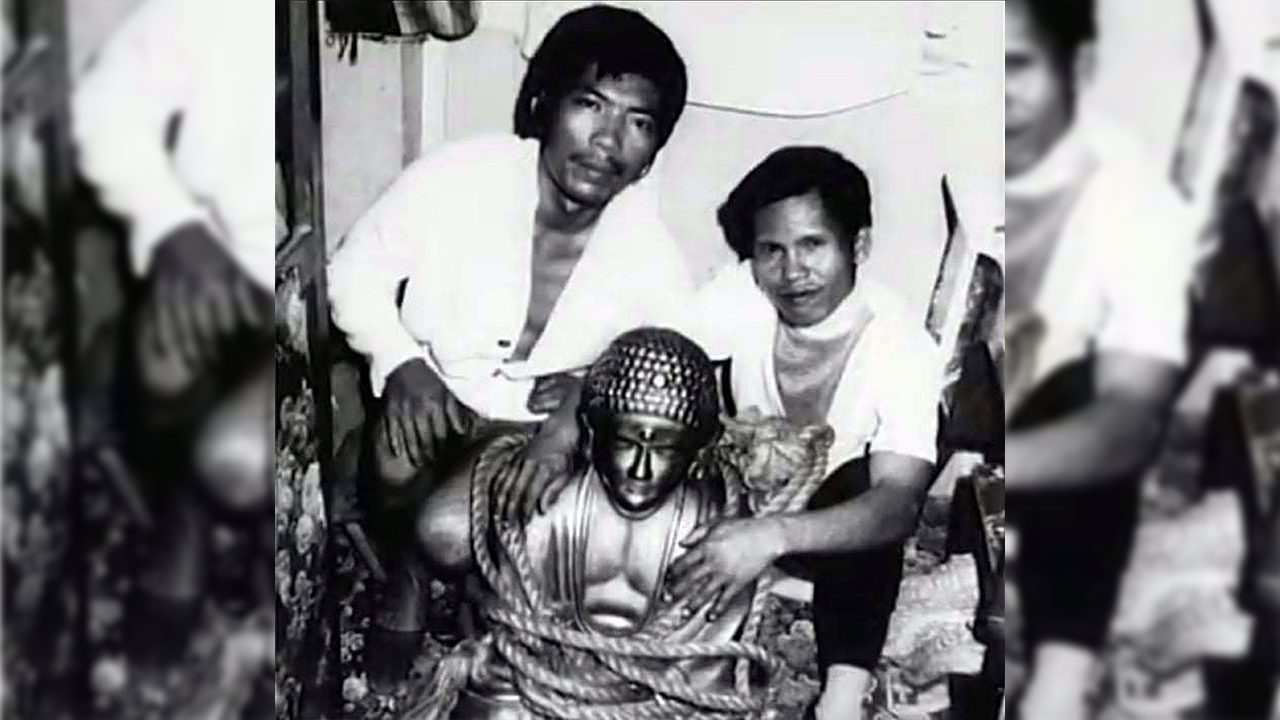
A Filipino treasure hunter named Rogelio Roxas claimed in 1971 to have found a golden Buddha and gold bars in Baguio, and sued Marcos for stealing them; a Hawaiian court ruled in his estate's favor, but the treasure itself remained unaccounted for.
Historians have argued the logistics make the whole enterprise improbable — by 1943, Japan had lost control of the sea lanes, and shipping that much gold into the Philippines at that stage of the war was strategically nonsensical. The National Historical Institute's Ambeth Ocampo is quoted in the Inquirer: “despite all the treasure hunters, their maps, oral testimony and sophisticated metal detectors, nobody has found a thing.”
Yamashita surrendered in Hungduan.
That is not a legend. That is a documented fact, carved into the local historical record. And it is what gives the legend its grip on this particular valley — not generalized Cordillera myth, but specific geography. The general was here. His last stand was here. If he left anything behind, it is somewhere in the terrain above these terraces.
The DENR has issued cease-and-desist orders to illegal treasure hunters in the Cordillera for decades.
Digging destabilizes the soil foundations that hold the terrace walls. Erosion follows. The terraces, which took generations to build and which UNESCO considers irreplaceable, are more vulnerable to a man with a metal detector and a map than to almost anything else. The treasure hunters are destroying the actual treasure to look for a legendary one.
Jody would tell me the next day, back in Banaue, about the big houses.
There are houses in the area — a few of them, scattered — that are larger than the economy of subsistence rice farming should be able to produce. Jody mentioned the houses are there, people have theories about how they got built, the theories all point in the same direction.
Wealth
The paddies at Hapao caught the morning light as we came around a ridge. The water in the upper terraces was higher than the valley below, held there by engineering that is a remarkable feat of hydrology — a gravity-fed irrigation system that has moved water from forest to field for centuries without a pump or a pipe.
The gold may be there or it may not. The American with the maps may have found something or he may have simply been an American with maps who built a house and left when the project ended. The big houses may be evidence of discovery or evidence of other sources — remittances, savings, family land sales, the ordinary accumulation that takes place in any community over time.
The terraces are here. The walls have been rebuilt after every typhoon, every landslide, every generation that considered leaving and mostly stayed. The system still moves water from the forest above to the rice below, as it has while Yamashita's gold, if it exists, was looted from a bank in Singapore or a temple in Burma.
Whatever is under the ground, the ground still produces rice.