The Night Bus to Banaue
Somewhere in Tom Wolfe’s Electric Kool-Aid Acid Test he quotes Ken Kesey about “being on the bus or off it.”
Every time I board the bus I make a quiet pact with myself to figure out a better way. There isn't one. The overnight ride to Banaue is that kind of a thing where you need to commit to several hours of discomfort. In this case, it effectively (for better or worse) selects for people who are committed to the trip.
You get on at night, you ride through the thick Filipino night in a seat not designed for lumbering, old Kano like me. You half-sleep the whole way. You can't work. You can't really read. You get your earbuds in or your headset on, find a podcast or a playlist, and drift in and out for eight hours.
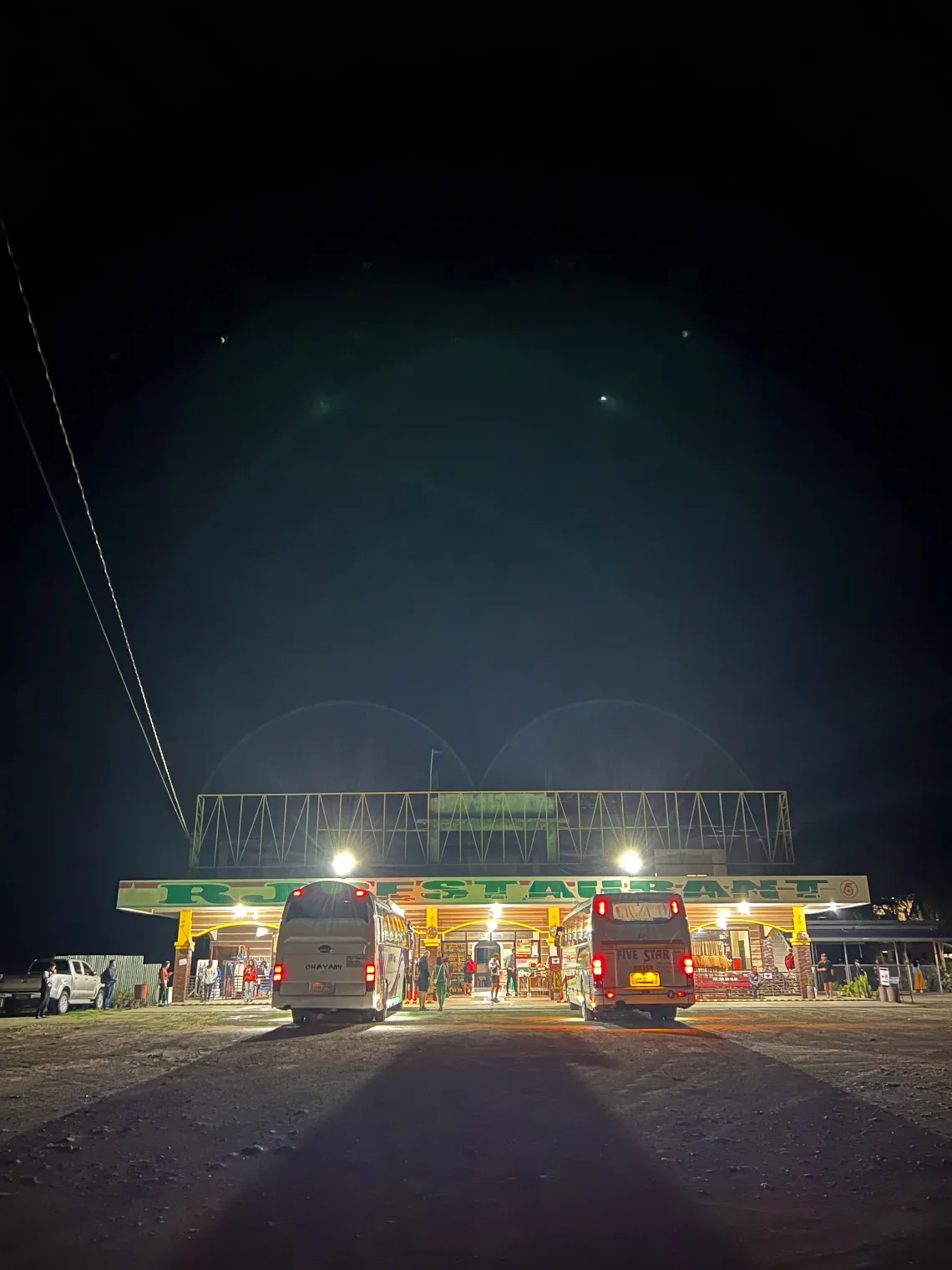
The bus stops three times. You get out, pay five pesos to use a toilet, buy a water, and get a cuppa ramen or snacks from a small food court.
You arrive at 4 or 5 in the morning. You cannot check in. So grab a guide, get to Batad early, or find the tourist office in town and get moving before the heat comes up.
Why Getting There Is the Point
Banaue is difficult to reach. There are no flights. There is no rail connection. The road from Manila is nine to ten hours, mostly overnight, and the last stretch is a steep, twisty-turny mountain climb.
The easier option is Sagada — better infrastructure, more accommodation at the mid-range, popular with Manila weekenders. Banaue draws a different crowd: European long-haulers, serious trekkers, the occasional researcher.
This guide covers the two ways to make the trip from Manila — Ohayami or Codas bus and private hire (usually a Toyota Hiace).
Your Options
Three ways to get from Manila to Banaue. The differences come down to cost, comfort, and how much control you want over the journey.
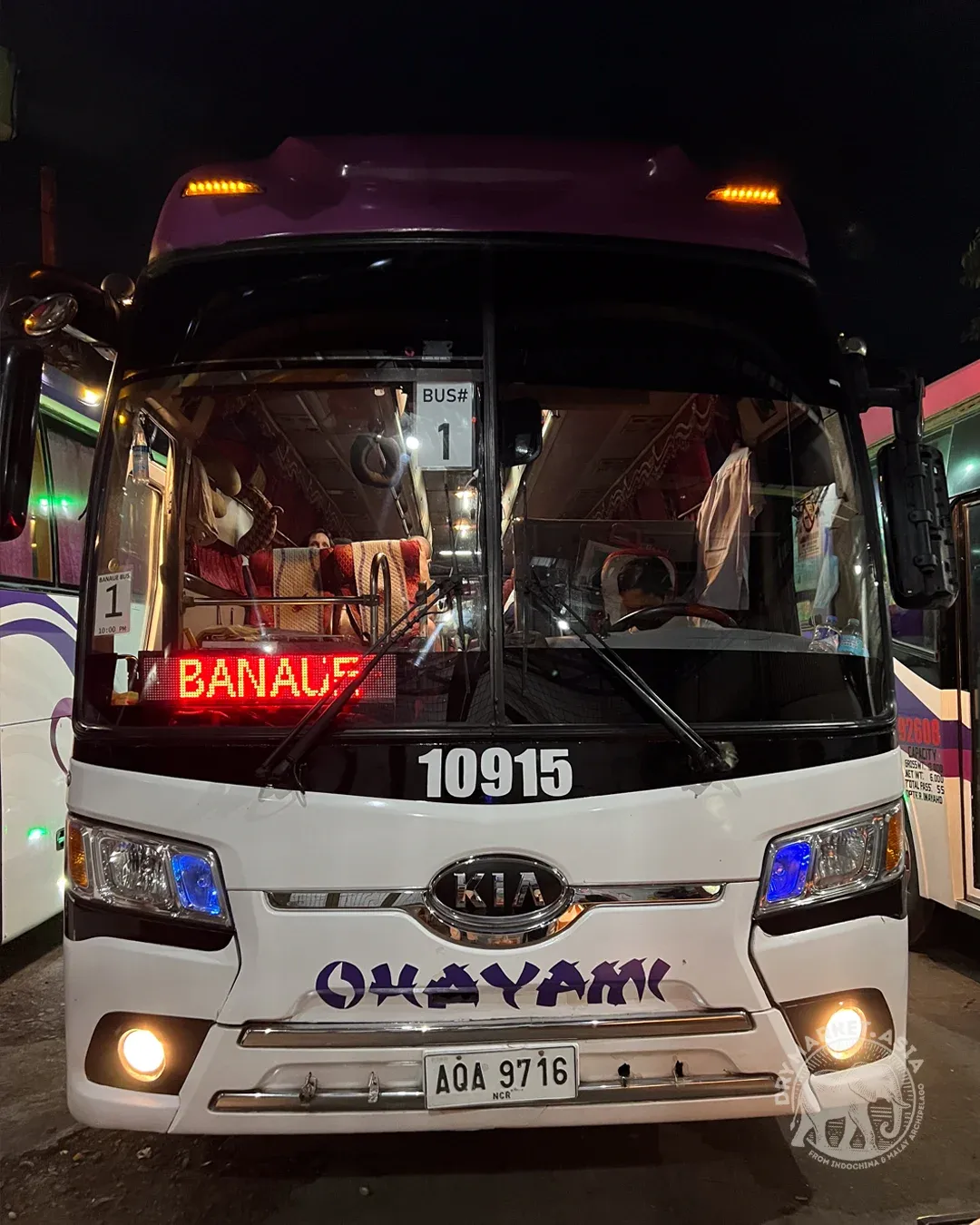
Ohayami/Coda Bus is the default. Overnight departure from Sampaloc, Manila, dedicated Banaue route, cheapest of the three. The trade-off is a full bus, fixed schedule, and the comfort level you'd expect from a long-haul Philippine bus — functional, not comfortable.
Private Hiace makes sense if you're traveling in a group, carrying equipment, or need flexibility on departure time and stops. Cost is significantly higher but splits reasonably across four or five people. You also get door-to-door, which matters if you're moving gear.
Ohayami & Coda Bus
Ohayami is the dedicated Manila–Banaue operator and the default choice for most travelers. Two departures nightly — 9 PM and 10 PM — from their terminal on Lacson Avenue in Sampaloc, near UST. Not Cubao. Get that right before you plan your ride there.
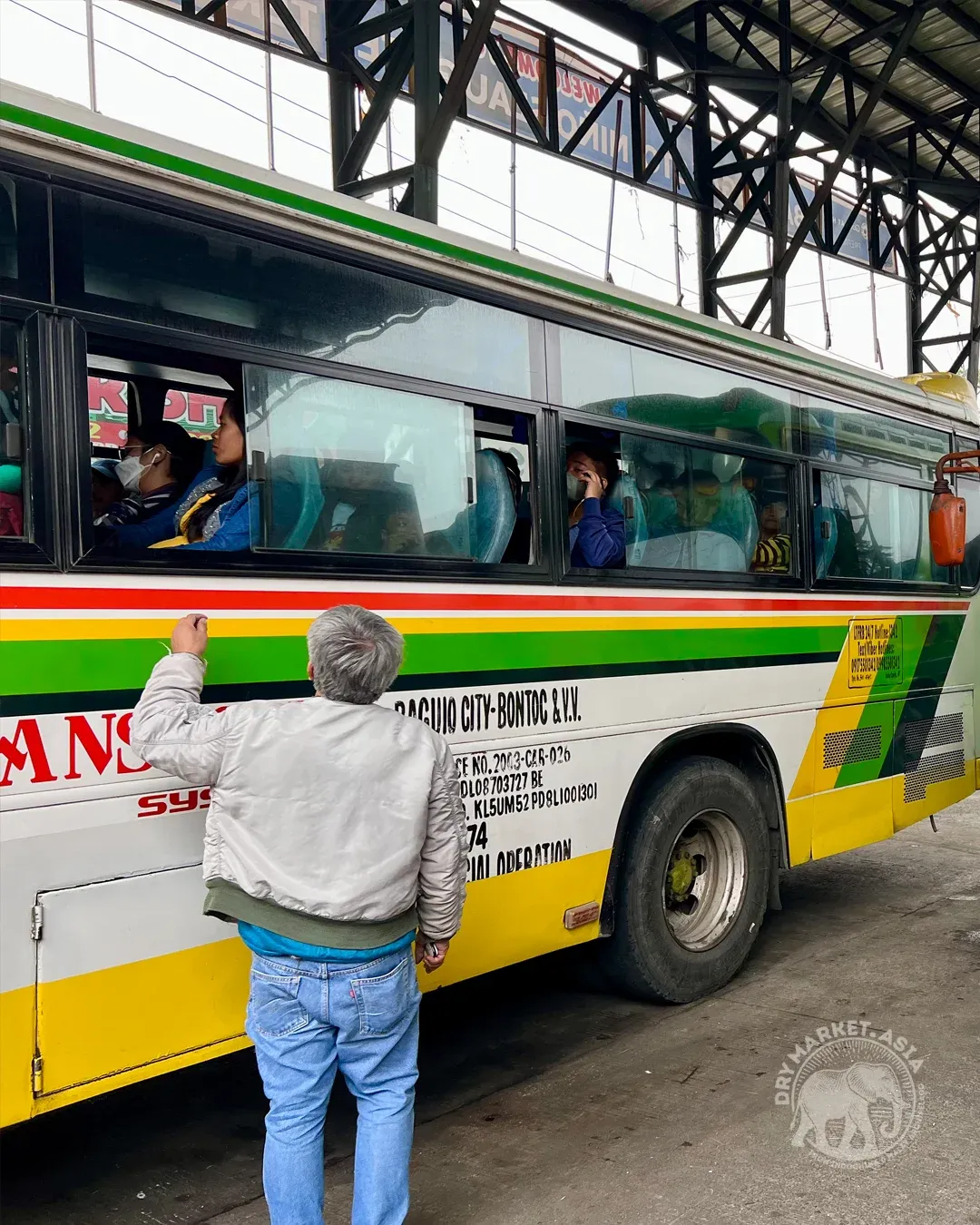
Coda departs from the HM Transport terminal in Cubao — corner of Monte de Piedad and Maryland, a few minutes walk from Araneta Center. Three evening departures to Banaue: 8 PM, 9 PM, and 10 PM. Travel time is roughly the same as Ohayami — nine hours, conditions permitting. Note that Coda buses continue on to Bontoc and Sagada.
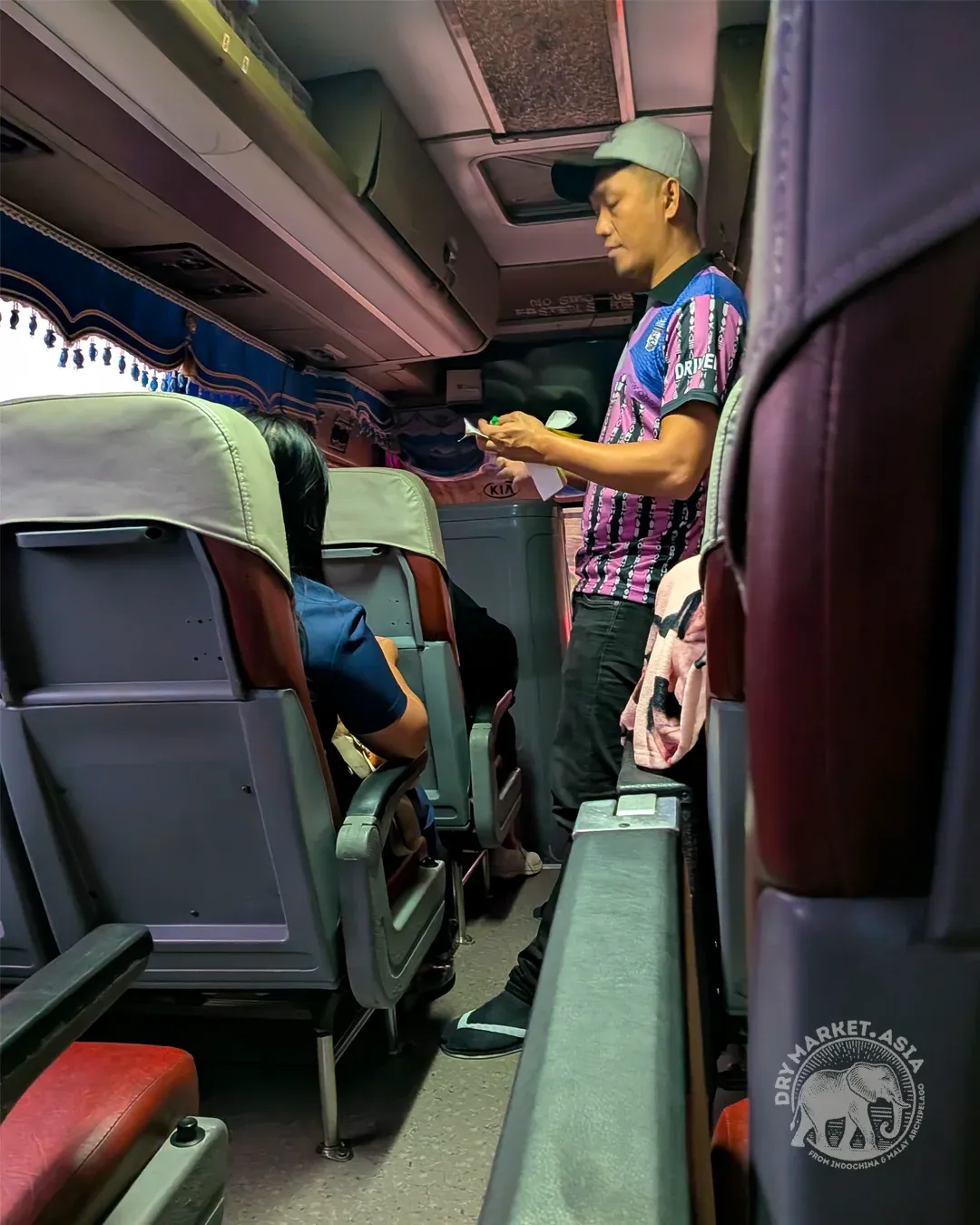
Fare is around ₱700–1,000. Air-conditioned, 2x2 reclining seats. Some buses have Wi-Fi and a screen, though neither is guaranteed to work. You can book buses with a toilet on board if you like the chemical toilet odor, but I don’t recommend it. Book online at or walk in — advance booking is the safer call on weekends and holidays.
You arrive in Banaue between 4 and 6 AM depending on traffic and road conditions.
Private Hire (Toyota Hiace)
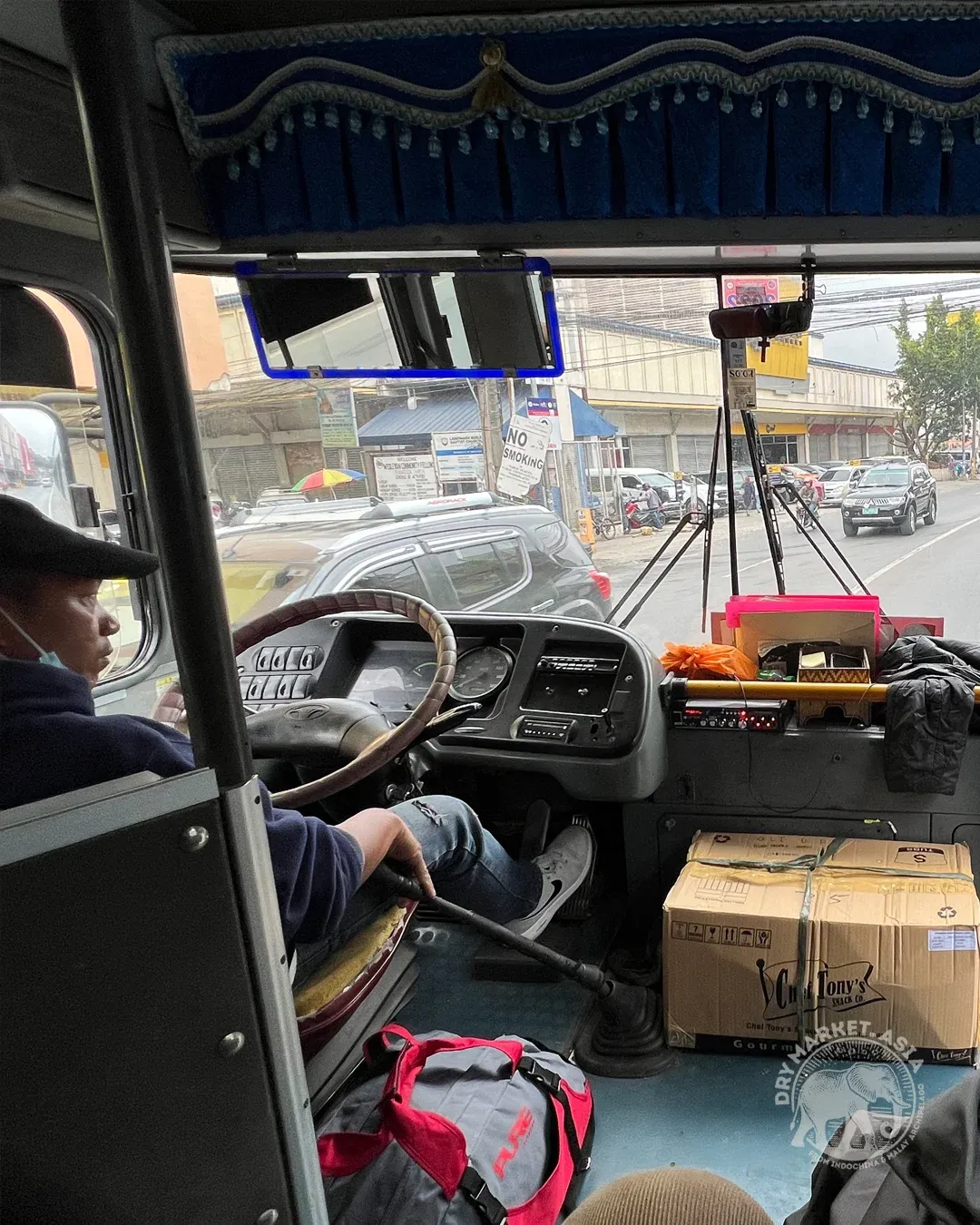
A private Hiace makes sense if you're traveling in a group, carrying serious equipment, or want flexibility on departure time and stops along the way. Door-to-door, no terminal, no fixed schedule.
Rates aren't fixed and aren't easy to find outside of direct inquiry. Two ways to find a vehicle: through a travel aggregator, or search Facebook for drivers in Banaue travel groups or Ifugao transport services. Facebook will typically be cheaper. Either way, confirm the rate covers fuel, the driver's return trip, and any toll fees before you commit.
Split across four or five people, the cost becomes more reasonable. As a solo traveler or a pair, the bus is the better call.
Ascend & Arrive
Most of the journey is flat and forgettable — Nueva Ecija in the dark, the bus doing highway speed, most passengers asleep. Solano is where that changes. The lowland ends, the road starts to climb, and the driver slows down.
The hairpins into Ifugao province are a thing. The bus leans on the bends. If you're awake for it you'll feel the road working.
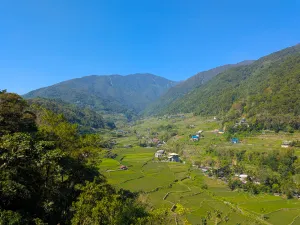
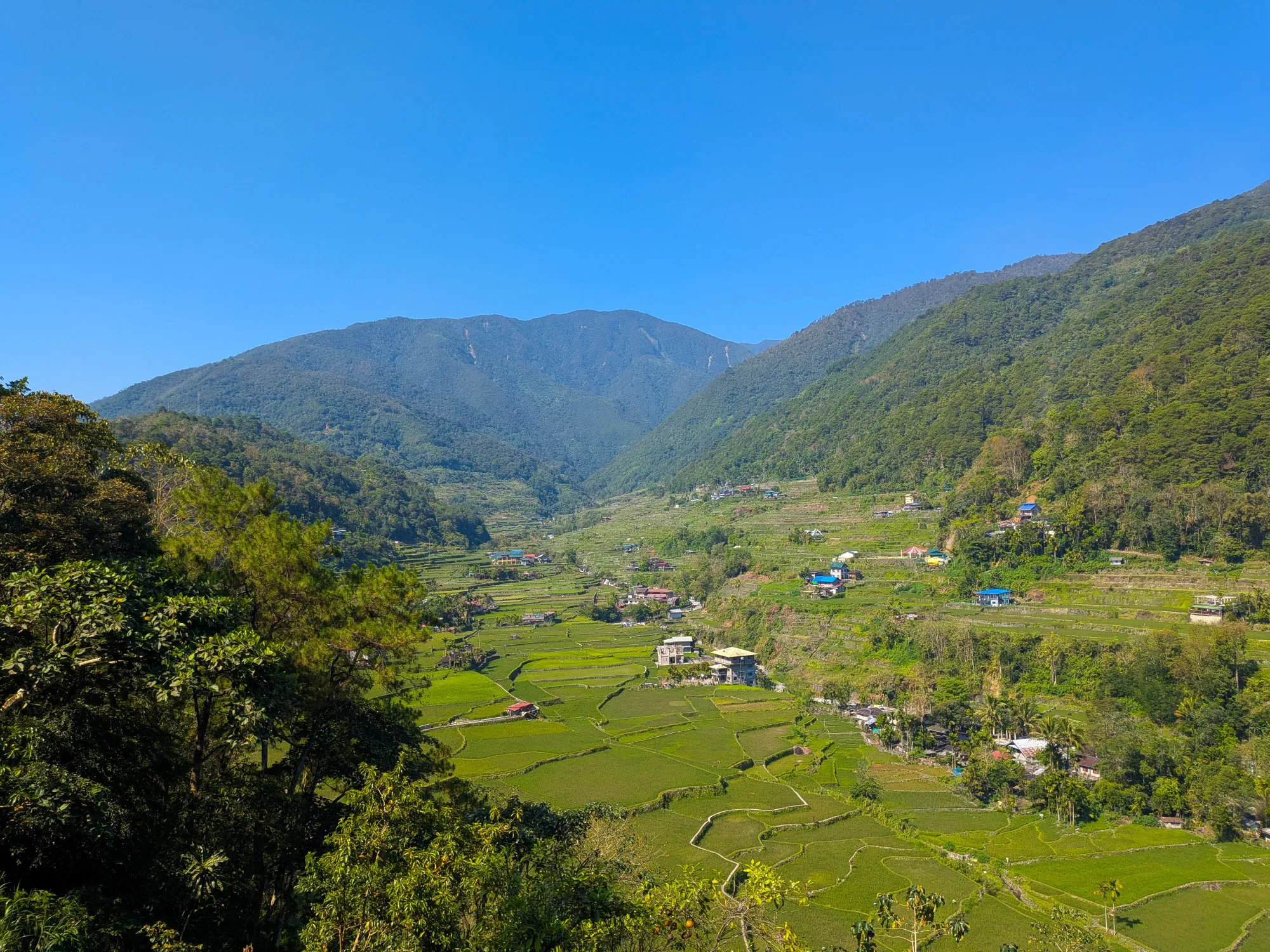
Depending on the time of year, you might catch the sunrise across the relentlessly verdant mountains. The views from the bus window on that final stretch are the first payoff of the trip — ridge lines, terraced slopes, the valley opening below. You haven't arrived yet and it's already worth it.
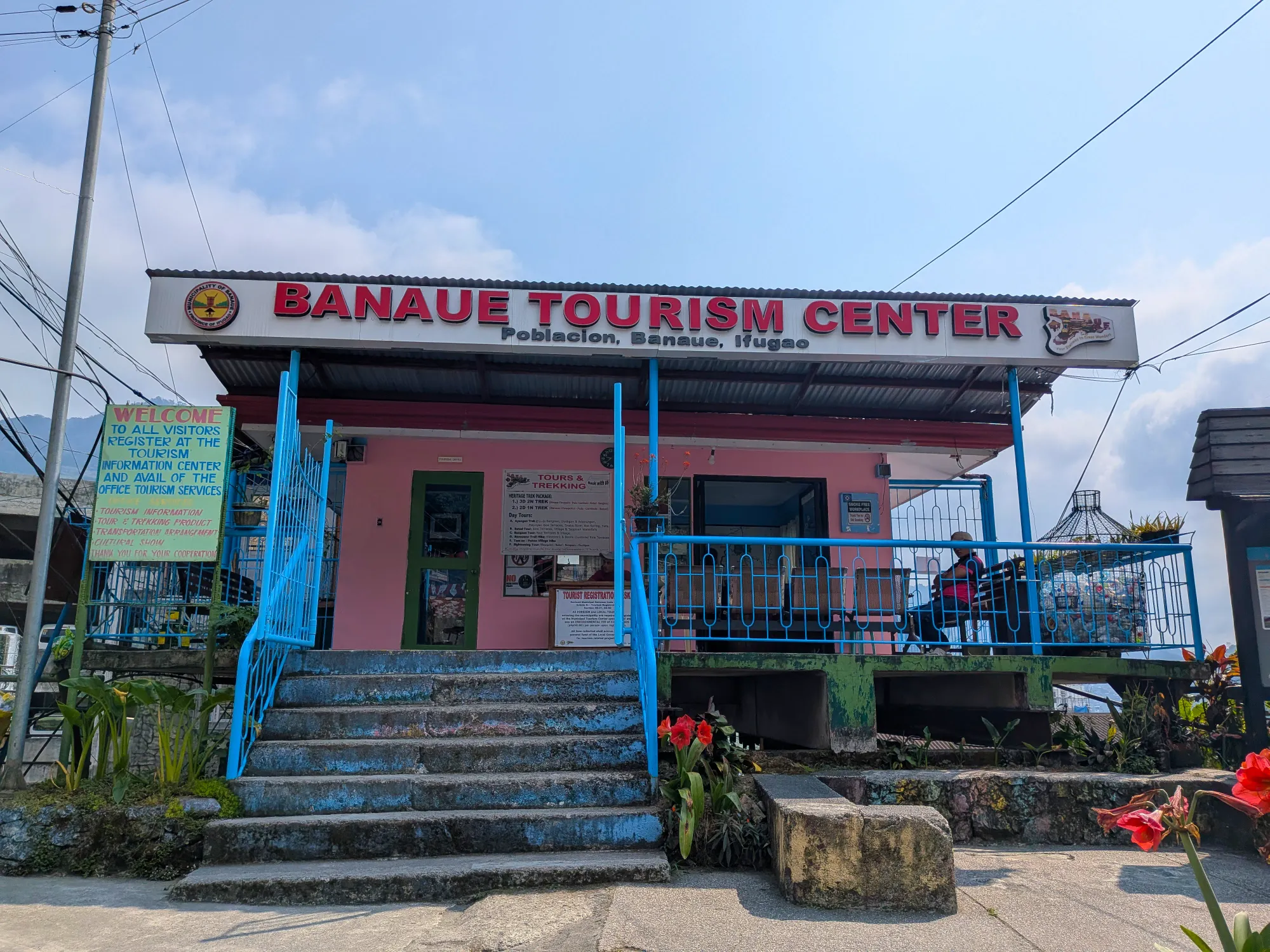
Banaue town is small. Coda drops at the tourist office in the town center. Ohayami stops about a kilometer up the road. At 5 AM it's quiet — a few tricycles, a food stall or two coming to life.
After you pay the tourist fee (P50, I think), and if you’ve been smart and booked a room you haul over to the lobby to hang out or chat with a guide to plan the day.
The Return
Ohayami and Coda both run evening departures back to Manila, leaving Banaue between 4 and 5 PM and arriving in Manila the following morning. Same road, same duration, opposite direction.
Book online before you need it — both operators have ticketing on their websites. If you haven't booked, you can pay the conductor directly if there's room on the bus, but on long weekends and peak season that's a gamble. Don't leave it to the morning you're departing.
If you're continuing to Sagada or Bontoc rather than heading straight back, Coda is already running that route — you're already on the right bus.